









Layered Lighting Techniques for a Welcoming Home
 August 26, 2025
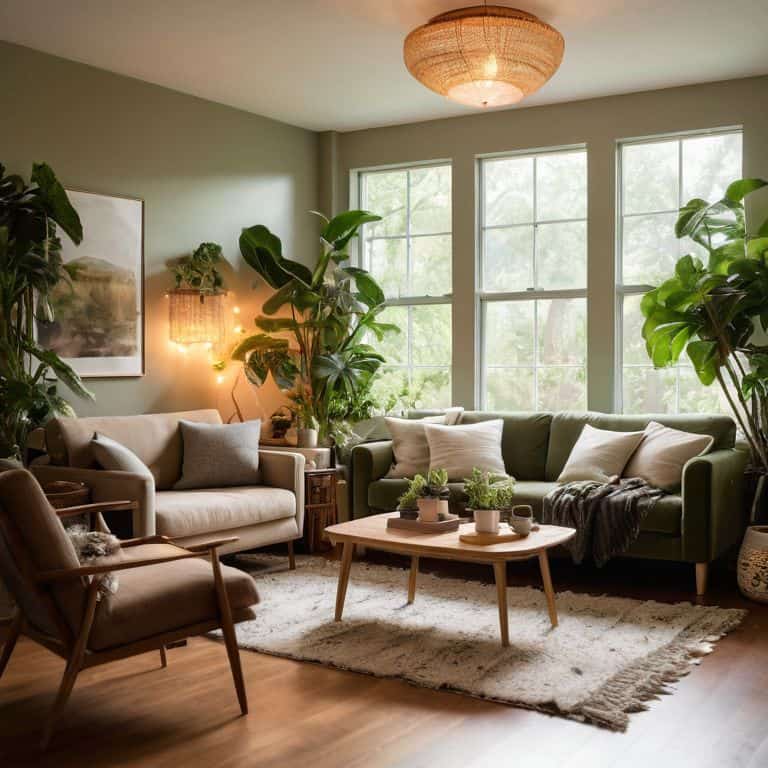
I still remember the first time I saw a room transformed by layered lighting techniques. I was a design student, and my professor had taken us on a field trip to a historic mansion that had been restored to its former glory. As we walked into the foyer, I was struck by the way the light seemed to dance across the room, creating a warm and inviting atmosphere. It was as if the space was alive, and I was hooked. I realized that good lighting wasn’t just about illuminating a room, but about creating a mood, a feeling, and a sense of connection to the space.
As an interior designer, I’ve seen many people struggle with layered lighting techniques, thinking that it’s too complicated or expensive to achieve. But the truth is, it’s not about breaking the bank or hiring a professional. It’s about understanding the basics of light layering and having fun with it. In this article, I’ll share my practical advice on how to create a beautiful and functional lighting scheme using layered lighting techniques. I’ll take you through the process of assessing your space, choosing the right light sources, and bringing it all together to create a sanctuary that shines. Whether you’re a design enthusiast or just looking to upgrade your home, I promise you’ll find valuable insights and inspiration to help you achieve your lighting goals.
Table of Contents
- Guide Overview: What You'll Need
- Step-by-Step Instructions
- Unlocking Layered Lighting Techniques
- Shining a Light on Perfection: 5 Essential Tips for Layered Lighting
- Bringing it All Together: 3 Essential Takeaways
- Illuminating Wisdom
- Bringing it all Together: The Art of Layered Lighting
- Frequently Asked Questions
Guide Overview: What You'll Need

Total Time: 3 hours
Estimated Cost: $50 – $100
Difficulty Level: Intermediate
Tools Required
- Ladder (sturdy, 6 feet tall)
- Drill (with screwdriver and drill bits)
- Tape Measure (12 feet long)
- Level (laser or bubble)
- Pliers (needle-nose)
- Screwdriver (flathead and Phillips)
Supplies & Materials
- Table Lamps (2-3)
- Floor Lamp (1)
- String Lights (10 feet long)
- LED Light Strips (2 rolls, 16 feet long each)
- Dimmer Switches (2-3)
- Light Bulbs (various wattage and color temperature)
Step-by-Step Instructions
- 1. First, let’s start by understanding the basics of layered lighting. It’s essential to recognize that this technique involves combining different light sources to create a unique ambiance in a room. I like to think of it as _adding depth_ to a space, much like a beautiful vintage textile adds character to a room.
- 2. Next, we need to identify the three primary types of lighting: ambient, task, and accent lighting. _Ambient lighting_ provides overall illumination, while task lighting focuses on specific areas, like a reading nook or kitchen counter. Accent lighting, on the other hand, is used to draw attention to particular features, such as a stunning piece of art or a beautifully restored vintage side table.
- 3. Now, let’s talk about the importance of layering light sources. This can include a combination of overhead lighting, table lamps, floor lamps, and even natural light. I love using vintage lamps and sconces to add a touch of _eclectic charm_ to a room. When selecting light sources, consider the color temperature and intensity of each one to create a harmonious balance.
- 4. To create a warm and inviting atmosphere, consider using warm-toned light bulbs in your table lamps and floor lamps. This can help to _counterbalance_ the cool tone of overhead lighting, creating a cozy and relaxing ambiance. I like to think of it as wrapping a room in a warm, fuzzy blanket – it’s all about creating a sense of comfort and tranquility.
- 5. The next step is to think about the _placement of light sources_. Consider the traffic flow in a room and place light sources accordingly. For example, a floor lamp can be used to create a warm glow in a cozy reading nook, while a table lamp can provide task lighting for a home office or workspace. Don’t be afraid to experiment and move things around until you find the perfect balance.
- 6. Another crucial aspect of layered lighting is dimming and control. Installing dimmer switches or using smart light bulbs can help you adjust the lighting levels to suit different moods and activities. I love using vintage switches and knobs to add a touch of _whimsy_ to a room – it’s all about creating a unique and personalized space.
- 7. Finally, don’t forget to _add some texture and interest_ to your lighting scheme. This can be achieved by using unique light fixtures, such as vintage chandeliers or pendant lights made from natural materials like wood or rattan. I adore scouring flea markets and antique shops for one-of-a-kind lighting fixtures that add a touch of personality to a room – it’s the perfect way to make a space truly special.
Unlocking Layered Lighting Techniques
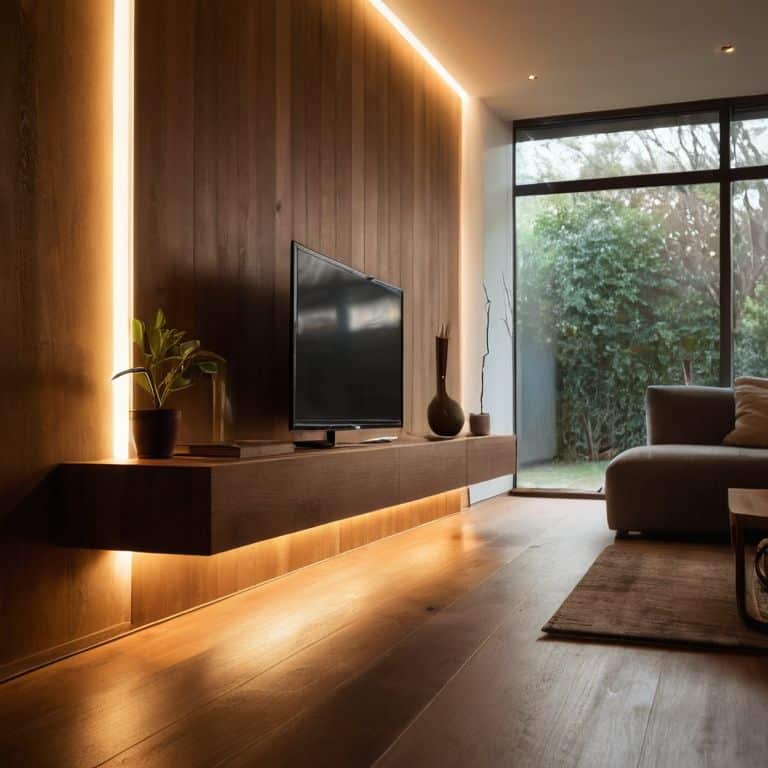
As I delve into the world of lighting design, I’m reminded of the art of layering – it’s all about creating a harmonious balance of light and shadow. When it comes to layering lighting for ambiance, I always consider the role of LED strips for accent lighting. These slim strips can be tucked away in the most unexpected places, casting a warm glow that adds depth and visual interest to any room.
To take your lighting game to the next level, think about creating a lighting hierarchy. This means designating different light sources for specific tasks or areas, like a bright overhead light for reading or a soft table lamp for cozying up. And don’t forget about dimming options – being able to adjust the brightness of your lights can make all the difference in setting the perfect mood. Whether you’re looking to create a relaxing atmosphere or an energetic vibe, dimming options give you the flexibility to tailor your lighting to your needs.
In smaller spaces, lighting design requires a bit more finesse. That’s where color temperature comes into play. Warmer tones can create a cozy, intimate feel, while cooler tones can make a space feel more expansive. By carefully selecting the right color temperature for your layered lighting, you can create an illusion of more space or a sense of snug comfort – whichever suits your style.
Dimming Options for Sanctuary Vibes
To create a truly immersive atmosphere, I love exploring dimming options that let you tailor the ambiance to your mood. Whether it’s a relaxing evening in or a lively gathering, being able to adjust the light levels is key. I’ve found that installing smart dimmers or using table lamps with adjustable switches can make all the difference. It’s amazing how a simple tweak in brightness can transform a space from energizing to soothing.
For me, it’s all about finding that perfect balance between form and function. By incorporating dimming capabilities into your layered lighting design, you can effortlessly shift between different moods and activities. Plus, it’s a great way to add some extra personality to your space – and who doesn’t love a good mood lighting session?
Weaving Ambiance With Led Strips
LED strips are a game-changer for adding ambiance to any room. I love how they can be tucked away under furniture or along baseboards, casting a warm glow that’s both subtle and striking. With their versatility and energy efficiency, it’s no wonder they’re a favorite among designers. By weaving LED strips into your layered lighting plan, you can create pools of warm light that invite relaxation and conversation. Plus, they’re ridiculously easy to install – even I can do it, and I’m no electrician! Whether you’re looking to add a pop of color or a soft, serene ambiance, LED strips are the perfect tool to get the job done.
Shining a Light on Perfection: 5 Essential Tips for Layered Lighting
- Start with a strong foundation: Use overhead lighting as the base layer to set the overall ambiance of the room, just like adding the first thread to a beautiful vintage textile
- Add a touch of warmth with table lamps or floor lamps to create pools of light that draw the eye to specific areas, much like the way a perfectly placed vintage vase can elevate a space
- Get creative with task lighting, using under-cabinet lights in the kitchen or reading lights in a cozy nook to add depth and functionality, reminiscent of the way a vintage reading chair can become the coziest spot in the house
- Experiment with accent lighting to highlight unique features, such as a stunning piece of art or a beautifully restored vintage sideboard, to add a dash of personality to the room
- Remember, dimming is key: Install dimmer switches or use smart bulbs to adjust the brightness of each layer, allowing you to effortlessly transition from a vibrant daytime space to a warm and intimate sanctuary at night, just like the way a vintage textile can be repurposed to create a one-of-a-kind throw pillow
Bringing it All Together: 3 Essential Takeaways
I’ve learned that mastering layered lighting is all about experimentation and having fun with different combinations to find what works best for you and your space
By incorporating a mix of LED strips, dimming options, and a dash of creativity, you can turn any room into a sanctuary that shines and tells your unique story
Remember, the key to unlocking the magic of layered lighting is to approach it as an art form, where every switch, every strip, and every shade is a brushstroke on the canvas of your home’s ambiance
Illuminating Wisdom
Layered lighting is not just about brightness, it’s about crafting a narrative of warmth and welcome – a symphony of shadows and shine that beckons you to linger, to dream, and to make memories in the spaces that matter most.
Alice Peterson
Bringing it all Together: The Art of Layered Lighting
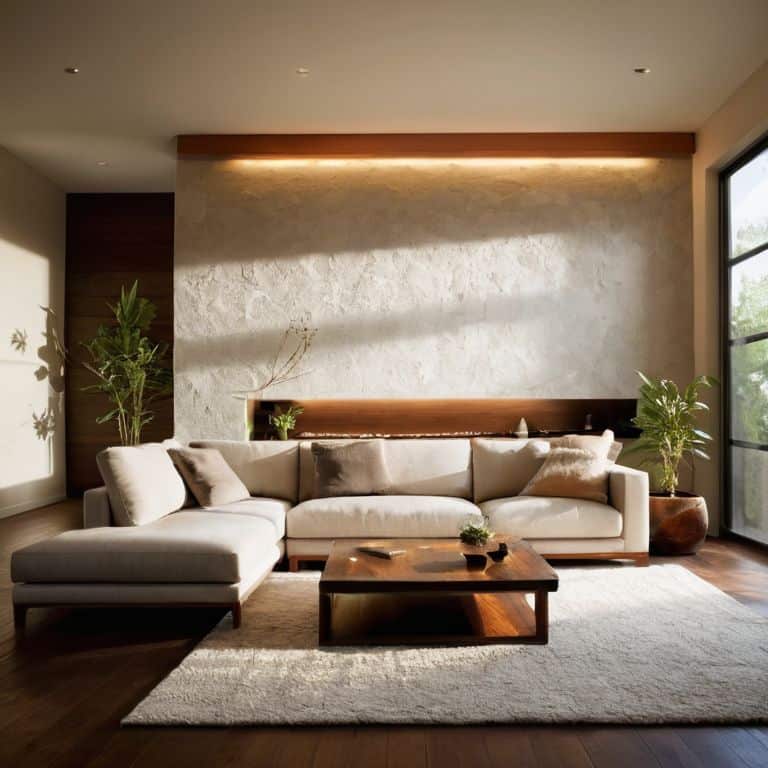
As we’ve explored the world of layered lighting techniques, it’s clear that this approach is all about creating a harmonious balance of light and shadow. We’ve discussed the importance of ambient lighting as a foundation, and how task lighting and accent lighting can be used to add depth and visual interest to a space. By incorporating LED strips, dimming options, and a mix of light sources, you can weave a tapestry of light that transforms your home into a sanctuary that shines.
So, as you embark on your own layered lighting journey, remember that it’s all about experimentation and having fun. Don’t be afraid to try new things and push the boundaries of what’s possible with light. With a little creativity and patience, you can create a space that’s not only beautiful, but also truly reflective of your personality. Happy decorating, and let the light shine on!
Frequently Asked Questions
How can I determine the perfect balance of light layers for my specific room's layout and decor?
For me, finding that perfect balance is all about feeling the space. I consider the room’s purpose, the natural light, and the decor style. Then, I experiment with different layers – overhead, table, and floor lamps – to create a harmonious glow that enhances the space’s unique character. It’s all about intuition and play!
What are some creative ways to hide or disguise LED strips and other lighting sources to maintain a clutter-free aesthetic?
I just love getting creative with LED strips. To hide them, I like to tuck them under furniture ledges, inside decorative trim, or even beneath translucent decorative panels. You can also disguise them as part of a larger decor piece, like a vintage textile-wrapped lamp or a Macramé plant hanger with subtle lighting woven in.
Can layered lighting techniques be used to create a sense of separation or definition within an open-concept living space?
Absolutely, layered lighting can be a game-changer in open-concept spaces. By using different light sources and levels, you can create distinct areas within the room, defining separate zones for lounging, dining, or cooking. It’s all about layering light to create visual boundaries and ambiance, making the space feel cozier and more intimate.