The Ultimate Guide to Designing a Family-friendly Kitchen
 May 5, 2025
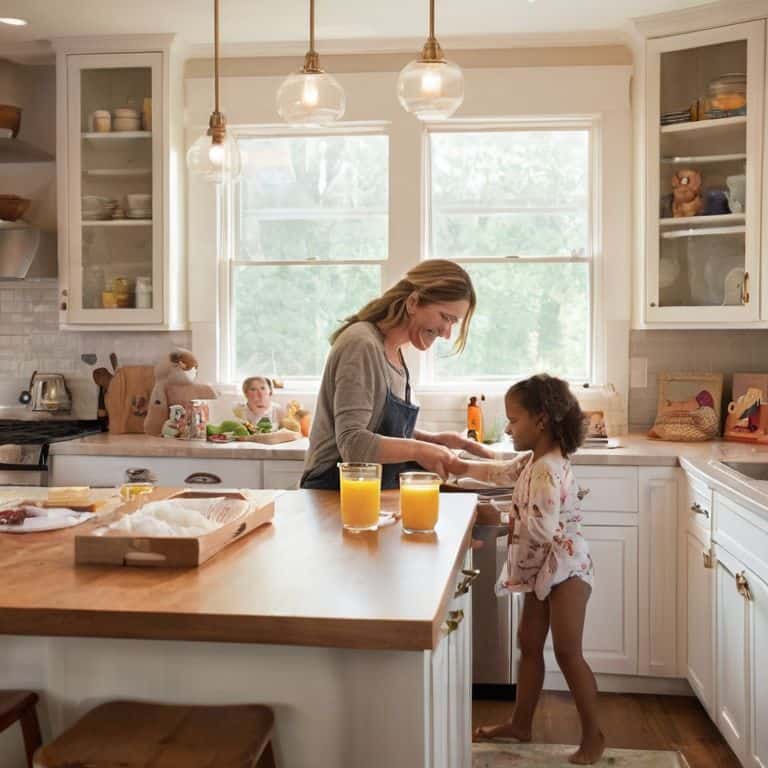
I still remember the countless hours I spent in my grandmother’s kitchen, surrounded by the people and recipes I loved – that’s why I’m so passionate about creating a family-friendly kitchen that brings everyone together, just like hers did. There’s a common myth that a family-friendly kitchen has to be perfectly pristine, but I believe that’s just not true. In fact, it’s often the imperfections and chaos that make a kitchen feel truly welcoming. As someone who’s spent years researching their family history and cooking up a storm with loved ones, I’ve learned that it’s all about striking a balance between functionality and warmth.
In this article, I promise to share my honest, no-hype advice on how to create a family-friendly kitchen that truly feels like home. You’ll learn how to design a space that fosters connection and makes mealtime a joy, rather than a chore. From practical tips on layout and storage to heartfelt stories about the importance of sharing meals together, I’ll cover it all. My goal is to help you create a kitchen that’s not just beautiful, but also functional and welcoming to all – a true hub of your home where memories and meals are made.
Table of Contents
- Guide Overview: What You'll Need
- Step-by-Step Instructions
- Designing a Family Friendly Kitchen
- Nurturing Hearts and Homes: 5 Essential Tips for a Family-Friendly Kitchen
- Key Takeaways for a Warm and Inviting Family-Friendly Kitchen
- The Heart of the Home
- Creating a Lasting Legacy in the Heart of Our Homes
- Frequently Asked Questions
Guide Overview: What You'll Need
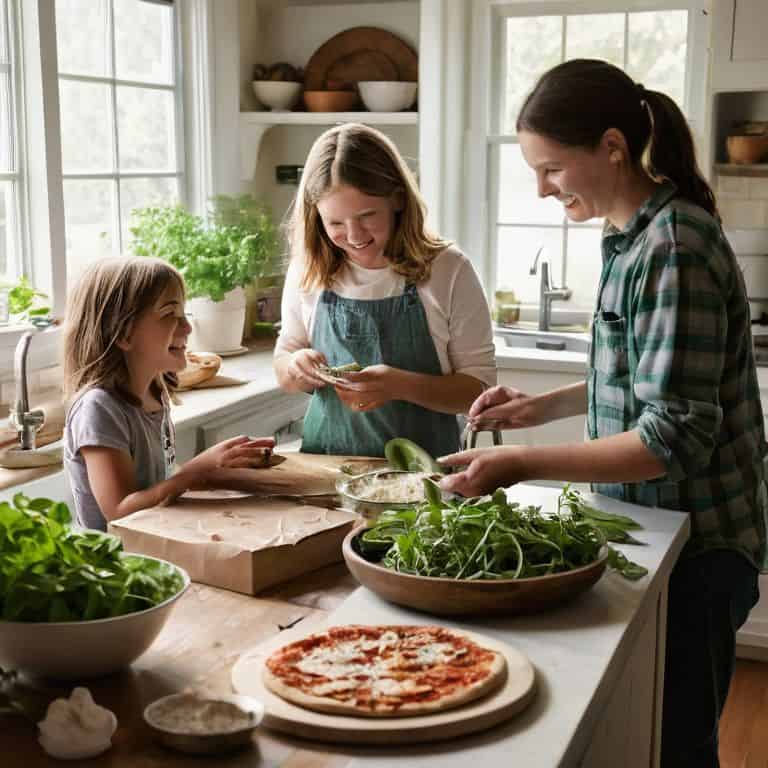
Total Time: 4 hours 30 minutes
Estimated Cost: $100 – $250
Difficulty Level: Intermediate
Tools Required
- Drill (with screwdriver and drill bits)
- Measuring Tape (for accurate measurements)
- Level (to ensure even installation)
- Pencil and Marker (for marking walls and surfaces)
- Saw (for cutting lumber to size)
- Sandpaper (for smoothing out surfaces)
- Paintbrushes (various sizes for painting)
Supplies & Materials
- 2-in x 4-in lumber (for building shelves or seating)
- Plywood or MDF (for creating tabletops or shelves)
- Wall Paint (choose a family-friendly color)
- Flooring Material (such as vinyl or ceramic tiles)
- Backsplash Tiles (for protecting walls from splashes)
- Cabinet Handles (easy-to-grasp handles for kids)
- Countertop Material (durable and easy-to-clean surface)
Step-by-Step Instructions
- 1. First, assess your space by taking stock of your kitchen’s layout and measuring the area where you plan to create your family-friendly hub. Consider the flow of traffic, the location of windows, and the placement of doors to ensure that your design accommodates the needs of all family members. I like to think of this step as setting the stage for the warm and welcoming atmosphere you want to create.
- 2. Next, think about the core activities that will take place in your kitchen, such as cooking, eating, and socializing. Make a list of the essential elements you need to include, like a large table for family meals, ample counter space for food preparation, and storage for utensils and appliances. This will help you prioritize your design choices and create a space that truly feels like home.
- 3. Now, let’s talk about ergonomics and safety. A family-friendly kitchen should be accessible and safe for all ages, so consider installing soft-close drawers and cabinets to prevent little fingers from getting pinched. You may also want to invest in a step stool or a kitchen Island with built-in seating to make it easier for kids to participate in meal prep.
- 4. To foster a sense of togetherness, design your kitchen with comfortable seating areas where family members can gather and connect. This could be a cozy breakfast nook or a large dining table that can accommodate everyone. Don’t forget to add some warm lighting to create a inviting ambiance that makes people feel like lingering over meals and conversation.
- 5. When it comes to storage and organization, a family-friendly kitchen needs to be functional and easy to maintain. Invest in labeled storage containers and baskets to keep clutter at bay, and consider installing a pot filler or a kitchen cart to keep frequently used items within reach. This will help reduce stress and make mealtime more enjoyable for everyone.
- 6. To make your kitchen truly interactive, incorporate elements that encourage participation and creativity, such as a chalkboard wall or a kitchen bulletin board where family members can share notes, recipes, and reminders. You could also set up a kids’ cooking station with play food, utensils, and kid-friendly recipes to inspire the next generation of chefs.
- 7. Finally, don’t forget to make it personal by adding decorative touches that reflect your family’s personality and style. This could be a family photo gallery on the wall, a vintage kitchen utensil display, or a customized kitchen sign with your family’s name or a special message. These personal touches will help create a sense of belonging and make your kitchen feel like a true reflection of your family’s values and traditions.
Designing a Family Friendly Kitchen
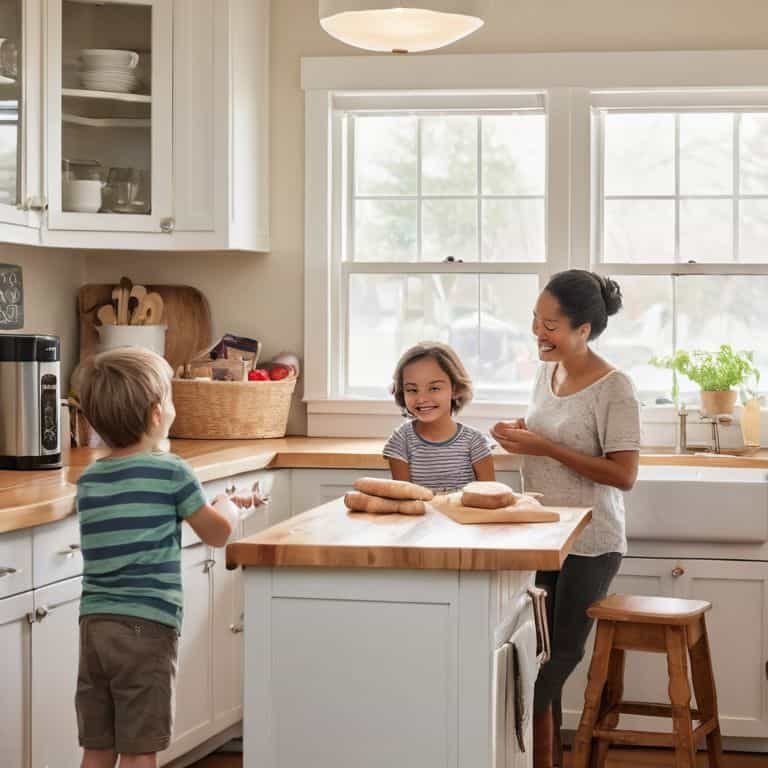
As I reflect on my own childhood, I realize the importance of a well-designed kitchen in bringing everyone together. My grandmother’s kitchen was the heart of our home, where we’d gather for meals and share stories. To recreate this warm atmosphere, consider incorporating kid friendly kitchen appliances that are easy to use and safe for little hands. For instance, a simple-to-operate toaster or a kid-friendly coffee maker can make a big difference.
When it comes to storage, safe kitchen storage solutions are a must. This can include installing cabinets with secure locks or using open shelving to keep frequently used items within reach. By doing so, you can prevent accidents and ensure that your kitchen remains a haven for all family members. I also like to emphasize the value of family meal planning ideas, which can help you create a sense of community and togetherness in the kitchen.
To further enhance your kitchen’s functionality, think about incorporating a kitchen island design for families that includes ample counter space and storage. This can be a great spot for food preparation, homework, or even a casual family dinner. By investing in a few child safety kitchen gadgets, such as a stove guard or a corner protector, you can also create a safe and enjoyable environment for your loved ones to thrive in.
Kid Friendly Kitchen Appliances for Safety
As I think back to my own childhood, I remember being fascinated by the appliances in my grandmother’s kitchen. To create a safe and kid-friendly space, it’s essential to choose appliances with safety features. I always recommend opting for refrigerators with secure locking systems and ovens with childproof controls. These small touches can give parents peace of mind while teaching kids about responsibility and independence in the kitchen. By investing in appliances designed with families in mind, we can foster a love for cooking and shared meals that will last a lifetime.
Safe Storage Solutions for Little Ones
As I think back to my own childhood, I recall the curiosity and energy that came with exploring the kitchen. To ensure our little ones can do the same without hazard, it’s essential to implement safe storage solutions. This can be as simple as installing locks on lower cabinets where cleaning supplies are kept or using magnetic catches on upper cabinets to store fragile items.
I’ve seen firsthand how these small adjustments can make a significant difference in creating a worry-free environment. By securing potentially harmful substances and breakable items out of reach, we can encourage our children to engage with the kitchen in a safe and meaningful way, laying the foundation for a lifelong love of cooking and shared family time.
Nurturing Hearts and Homes: 5 Essential Tips for a Family-Friendly Kitchen
- Create a Warm and Inviting Atmosphere: Think about the kitchens from your childhood that made you feel safe and loved – for me, it was my grandmother’s kitchen, filled with the aroma of fresh-baked cookies and the sound of laughter. To replicate this, consider using warm lighting, comfortable seating, and decor that reflects your family’s personality
- Design for Togetherness: A family-friendly kitchen is one that encourages interaction and shared experiences. This might mean installing a large island or peninsula where kids can do homework or help with meal prep while you cook
- Make Mealtime a Breeze: Let’s face it, cooking for a crowd can be overwhelming. To simplify the process, consider investing in kid-friendly kitchen appliances, such as slow cookers or instant pots, and implementing a meal planning system that gets everyone involved
- Prioritize Safety and Storage: As a family therapist, I’ve seen how quickly a kitchen can become a source of stress if it’s not designed with safety in mind. Be sure to install safe storage solutions, such as locked cabinets or drawers, to keep hazardous materials out of reach, and consider investing in kid-friendly kitchen tools, like plastic utensils or a kid-sized cookbook stand
- Foster a Sense of Tradition: For my family, Sunday dinners were always a special time to come together and share stories. To create your own traditions, think about what matters most to your family – is it trying new recipes, having a weekly game night, or simply enjoying a home-cooked meal together? Whatever it is, make your kitchen a space that supports and nurtures those traditions
Key Takeaways for a Warm and Inviting Family-Friendly Kitchen
As we create our family-friendly kitchens, I want to emphasize the importance of safety and functionality, from kid-friendly appliances to clever storage solutions that keep everyone safe and happy.
By incorporating elements that foster togetherness, such as large dining tables and open layouts, we can recreate the warm and welcoming atmosphere of my grandmother’s kitchen, where love, laughter, and memories were always on the menu.
Ultimately, designing a family-friendly kitchen is about more than just the space itself – it’s about cultivating a sense of belonging and connection among family members, and I hope these insights inspire you to create a kitchen that becomes the heart of your home, where everyone feels seen, heard, and loved.
The Heart of the Home
A family-friendly kitchen is more than just a space for cooking – it’s a sanctuary where memories are made, traditions are born, and love is shared through the simple act of gathering around the table.
Laura Bennett
Creating a Lasting Legacy in the Heart of Our Homes
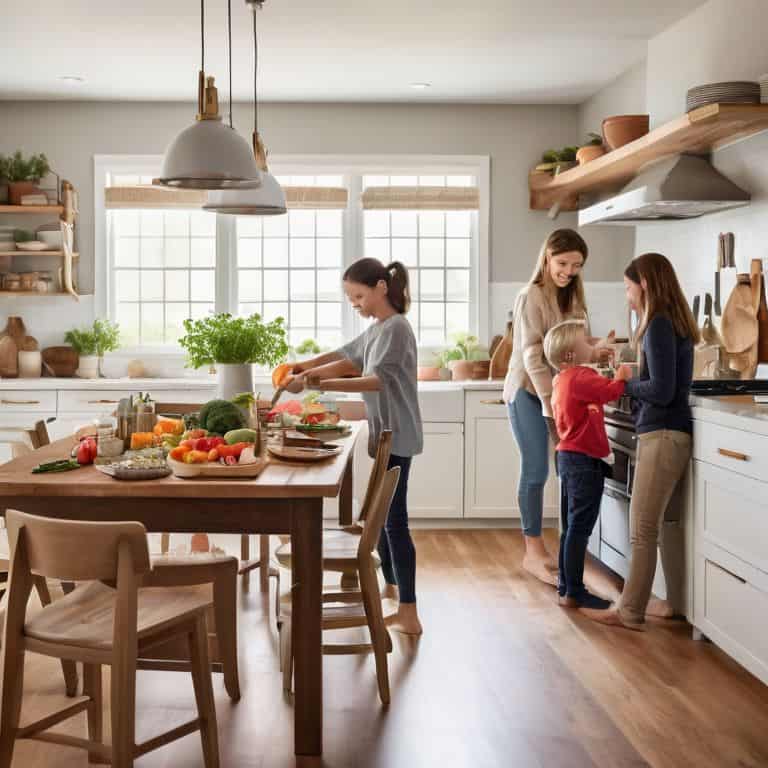
As I reflect on the journey of designing a family-friendly kitchen, I’m reminded of the importance of creating a space that brings everyone together. From selecting kid-friendly kitchen appliances to implementing safe storage solutions, every decision we make has the potential to shape our family’s dynamics and create lasting memories. By prioritizing functionality, safety, and togetherness, we can transform our kitchens into the warm, inviting hubs of our homes, where stories are shared, and traditions are born.
As we embark on this journey of crafting our ideal family-friendly kitchens, I encourage you to remember that it’s not just about the physical space, but about the love and connection we nurture within it. By embracing our unique family narratives and weaving them into the fabric of our daily lives, we can create a kitchen that truly feels like home – a place where memories and meals are made, and where our families can thrive for generations to come.
Frequently Asked Questions
How can I ensure my kitchen is safe for toddlers who love to explore and get into everything?
To ensure your kitchen is safe for curious toddlers, install safety latches on cabinets and drawers, and consider a kid-friendly appliance lock. I also recommend storing heavy objects and sharp items out of reach, just like my grandmother did to keep her grandkids safe while they “helped” in the kitchen.
What are some creative ways to involve my kids in meal planning and cooking to make our kitchen feel more family-friendly?
I love getting kids involved in the kitchen – it’s a great way to teach them about measurements, nutrition, and teamwork. Try making a weekly meal planning chart together, letting them pick a new recipe to try each week, or even assigning them a special “helper” task, like mixing or tasting. It’s amazing how much fun they’ll have and how proud they’ll be of their creations!
Are there any specific kitchen layout or design elements that can help reduce chaos and stress during family meal times?
I’ve found that a well-designed kitchen layout can be a game-changer for family meal times. Consider a circular workflow, ample counter space, and a central island for food prep and gathering. These elements can help reduce congestion and promote a sense of togetherness, making mealtime feel more like a warm hug than a chaotic scramble.