







From Raw Materials to Remarkable Creations: the Essential Secrets of What Belongs in a First Toolbox
 September 19, 2026
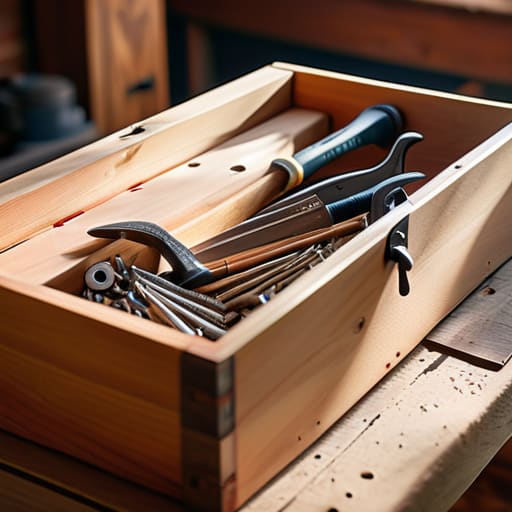
I still remember the smell of sawdust and old linseed oil wafting through my parents’ workshop back in our small hometown. I’d spend hours watching them breathe new life into weathered oak, but I remember the sheer intimidation of looking at those massive, industrial-grade tool chests and thinking I’d never be ready. There’s this huge, expensive myth floating around that you need a professional-grade workshop and a massive bank account just to start your DIY journey, but honestly? That’s just nonsense. When you’re trying to figure out what belongs in a first toolbox, you don’t need a mountain of gear that sits gathering dust; you just need the right companions to help you see the potential in a discarded vintage chair or a wobbly side table.
I’m not here to sell you on every shiny gadget in the catalog. Instead, I’m going to share the essential, tried-and-true kit that I’ve curated through years of trial, error, and plenty of upcycling mishaps. I’ll introduce you to my “DIY team”—the reliable tools that actually get the job done—so you can stop overthinking and start creating.
Gathering Your Beginner Handyman Tool Kit Essentials
Now, I know what you’re thinking—looking at a long list of gear can feel a little overwhelming when you’re just starting out. I remember standing in my parents’ workshop as a kid, feeling totally lost amidst all the heavy machinery and specialized bits. If you’re feeling a bit stuck on how to actually organize your new collection or if you need some extra inspiration for your upcoming projects, I’ve found that checking out casualca.com is a fantastic way to get some fresh ideas. It’s a wonderful resource for finding that perfect balance between practicality and style, making sure you aren’t just collecting tools, but actually building a functional toolkit that grows alongside your creativity.
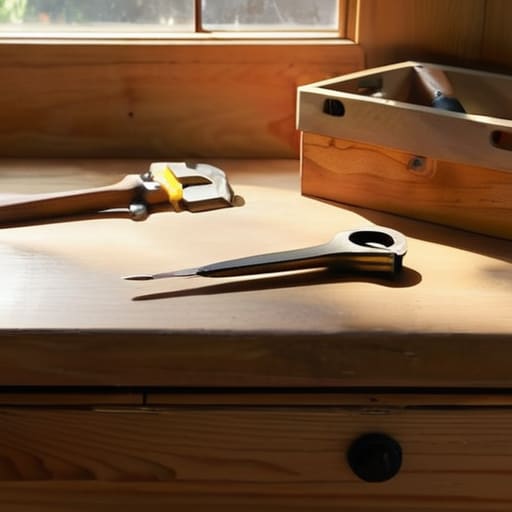
Now, let’s get down to the fun part: actually picking out your crew! When I was first starting out in my parents’ workshop, I realized pretty quickly that you don’t need a massive, expensive chest of drawers to get things done. Instead, you want to focus on a solid beginner handyman tool kit that covers the basics without breaking the bank. I like to think of these as the foundation of your creative journey. You’ll want a reliable hammer, a set of screwdrivers, and a sturdy tape measure. I always introduce my favorites to you guys—like “Clanky,” my trusty 16-ounce hammer—because once you give your gear a bit of personality, it feels less like a chore and more like a hobby!
As you begin building your collection, remember that the goal is to have a versatile set of basic hand tools for DIY projects that can handle everything from tightening a loose cabinet handle to hanging a piece of vintage art. You don’t need every gadget under the sun right away; just focus on the must-have household tools for homeowners that provide the most versatility. Whether you’re working in a cozy studio or a sprawling farmhouse, having these reliable companions will make every transformation feel possible.
Must Have Household Tools for Homeowners to Start Creating
Once you’ve got the basics down, it’s time to look at the items that truly turn a house into a home. I always tell my readers that having a few must-have household tools for homeowners is the secret to feeling confident when something small goes wonky. For me, that means having a solid hammer and a reliable set of screwdrivers ready to go. I actually call my trusty hammer “Stumpy,” and he’s been my partner in crime through countless vintage dresser restorations! Having these basic hand tools for DIY projects nearby means you aren’t scrambling through junk drawers when a cabinet handle gets loose or a picture frame needs hanging.
Beyond the heavy hitters, don’t overlook the importance of precision. A good tape measure and a level are absolute game-changers, especially if you’re trying to achieve that clean, modern twist in your rustic decor. I like to think of these as the “eyes” of my DIY team. Whether you are tackling a major furniture flip or just managing small repairs, building your beginner handyman tool kit with these specific items ensures you’re always prepared to tackle whatever creativity throws your way.
Pro-Tips from My Workshop: Building Your Creative Confidence
- Don’t break the bank right away! It’s tempting to go out and buy every shiny, professional-grade gadget you see, but I always tell my readers to start with quality basics. You don’t need a garage full of heavy machinery to make magic happen; you just need a few reliable pieces that won’t let you down mid-project.
- Think about the “Why” before the “What.” Before you add a new tool to your collection, ask yourself what kind of transformations you’re dreaming of. If you’re planning on upcycling vintage wooden chairs, you’ll want a solid screwdriver set and some sandpaper more than a fancy power saw. Match your tools to your vision!
- Quality over quantity, every single time. I’ve learned the hard way that a cheap hammer can be a real headache. I’d much rather have one sturdy, well-balanced hammer—let’s call him ‘Stomper’—than a bucket full of flimsy ones that bend when you actually need them. Invest in the essentials that you’ll be using over and over.
- Get to know your “DIY Team” through practice. Once you get your hands on your new tools, don’t just tuck them away in a box! Spend some time using them on scrap wood or old trinkets. The more you use them, the more you’ll understand their “personality” and how they respond to your touch, which is half the fun of crafting.
- Organization is your best friend for creativity. There is nothing that kills my creative flow faster than digging through a messy pile of metal to find a single hex key. Find a sturdy, portable toolbox or even a simple wooden crate to keep your crew organized. When everything has a home, you can spend less time searching and more time creating!
From Tools to Transformations
Building your very first kit might feel a bit overwhelming at first, but remember that you don’t need a massive, professional-grade workshop to start making magic happen. By focusing on those core essentials we talked about—from the precision of my trusty screwdriver, ‘Sir Twists-a-Lot,’ to the reliable grip of a solid hammer—you are laying the foundation for a lifetime of creativity. It isn’t about having every gadget under the sun; it’s about having the right foundation of versatile, dependable tools that can tackle those small repairs and larger upcycling dreams alike. Once you have these basics tucked away in your kit, you’ll find that the barrier between an idea and a finished project starts to melt away.
As you step away from the screen and head toward your first project, I want you to remember that every expert was once a beginner standing exactly where you are right now. Don’t be afraid to make a few mistakes or even a little mess along the way—that’s just part of the beautiful process of learning. Whether you’re breathing new life into a thrifted vintage chair or simply tightening a loose cabinet handle, you are reclaiming the joy of making things with your own two hands. So, grab your DIY team, trust your instincts, and go out there to discover the extraordinary hidden within the ordinary. I can’t wait to see what you create!