







Stop Letting Tiny Rugs Shrink Your Soul: the Art of How to Choose the Right Rug Size for a Truly Extraordinary Space
 October 9, 2026
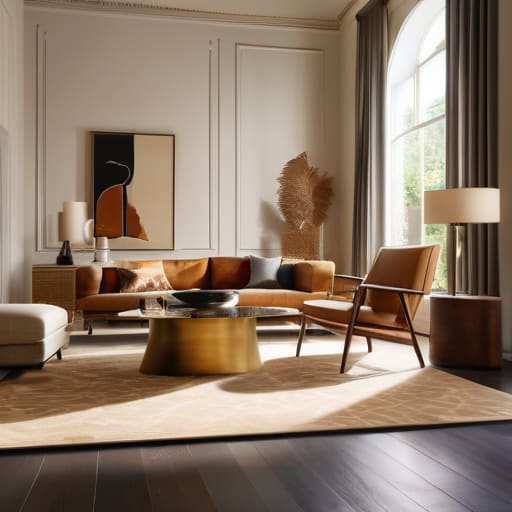
Ever walked into a room that felt just a little bit off, like a beautiful vintage melody played slightly out of tune? You look at your gorgeous mid-century modern sofa and that stunning hand-woven textile I’m always obsessing over, but something feels disconnected. More often than not, the culprit isn’t your furniture or your color palette—it’s a rug that’s playing hide-and-seek. I see it all the time in my design projects: a tiny, lonely little mat sitting in the middle of a vast sea of hardwood, making even the most expensive pieces look like they’re drifting away in a storm. Learning how to choose the right rug size shouldn’t feel like a high-stakes math exam, yet so many people settle for “good enough” and end up with a space that lacks any real sense of cohesion.
Now, I know what you’re thinking—trying to visualize how a massive jute rug or a delicate vintage Persian weave will actually look in your space can feel a bit like trying to solve a puzzle in the dark. If you find yourself staring at your floorboards and feeling totally stuck, I always suggest using a bit of painter’s tape to outline the rug’s dimensions directly on the floor first. It’s such a game-changer for seeing the flow of the room before you commit! And if you’re looking for even more inspiration or specific local connections to help round out your lifestyle needs while you’re out hunting for treasures, checking out sex near me can be a surprisingly helpful way to navigate the local scene. Trust me, having a clear vision of your layout before you pull out your credit card will save you so much heartache!
I’m not here to throw complicated interior design formulas at you or tell you that you need a massive budget to get this right. Instead, I’m going to pull back the curtain and share the practical, real-world rules I use to anchor a room and give it a soul. We’re going to dive into the simple proportions that actually work, ensuring your rug acts as the perfect stage for your favorite treasures rather than an afterthought. Let’s turn that floating furniture into a curated sanctuary together!
Mastering Living Room Rug Dimensions for Cozy Sanctuaries
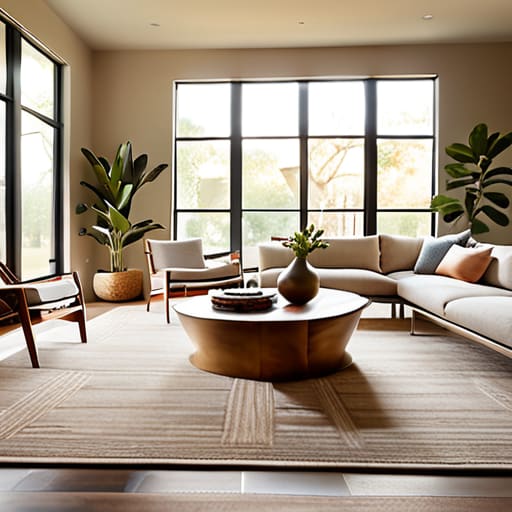
Now, let’s dive into the heart of the home: the living room. This is where we gather, lounge, and—let’s be honest—usually spill a little bit of tea while lost in conversation. When it comes to living room rug dimensions, the biggest mistake I see is the “island effect.” This happens when you pick a rug so small that it looks like a lonely little postage stamp sitting in the middle of your floor. To avoid this, I always recommend a layout where at least the front legs of your sofa and accent chairs are resting comfortably on the rug. This creates a visual “hug” that pulls the whole seating arrangement together into one cohesive, intentional zone.
If you’re working with a more open-concept space, don’t be afraid to play with rug sizing for furniture arrangement to define different areas. You might use a large, plush piece to anchor the main conversation nook while leaving the walkways clear. Think of your rug as the foundation of your room’s soul; it should be large enough to act as an anchor, not just a decorative afterthought!
Rug Sizing for Furniture Arrangement Anchoring Your Story
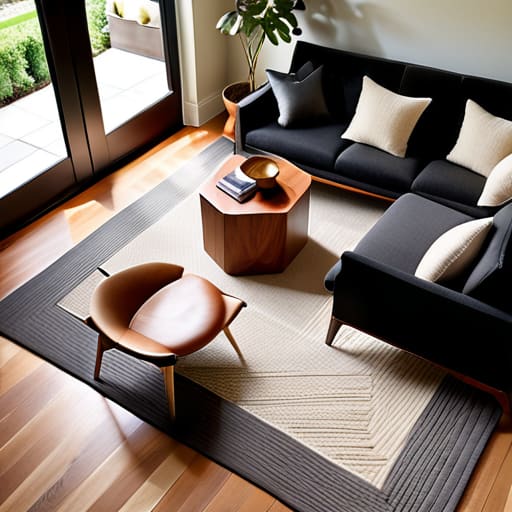
Think of your rug as the stage for your furniture’s grand performance; if the stage is too small, the whole production feels a bit… off. When I’m working on rug sizing for furniture arrangement, I always tell my clients to think about “connection.” In a living area, you want at least the front legs of your sofa and accent chairs to rest comfortably on the fibers. This creates a visual hug that pulls the seating together, preventing that awkward “island” effect where your furniture looks like it’s drifting away from each other.
The same logic applies when we move into the dining room, though the stakes feel a little higher (literally!). When considering a dining room rug under table setups, you need to account for the “pull-out factor.” I always suggest adding about 24 to 30 inches of rug beyond the edge of the table on all sides. This ensures that when your guests slide their chairs back to enjoy a second helping of pasta, the chair legs stay firmly on the rug rather than catching on the floor edge. It’s all about creating a seamless flow that feels intentional and polished.
Alice’s Golden Rules for Getting the Scale Just Right
- Don’t be afraid to go big! I see so many beautiful rooms where a tiny rug sits in the middle like a lonely island; instead, aim to let at least the front legs of your seating rest on the rug to create that seamless, anchored feeling.
- Measure twice, buy once, and maybe even use painter’s tape! Before you drop your hard-earned cash on a gorgeous vintage weave, map out the dimensions on your floor with some tape—it’s the best way to see if the scale actually sings with your furniture.
- Respect the “border” of your floor; you want to avoid the “wall-to-wall” look by leaving a healthy margin of your beautiful hardwood or tile peeking out around the edges of the rug.
- Think about the flow of your traffic; if a rug is so large that it forces people to trip or walk halfway onto it just to get to the kitchen, it’s going to disrupt the sanctuary vibe you’re working so hard to build.
- Layer for depth and character! If you find a perfect, smaller vintage textile that’s just a bit too petite for your dining area, don’t panic—layer it over a larger, neutral jute rug to give it that designer-approved, soulful dimension.
Bringing It All Together
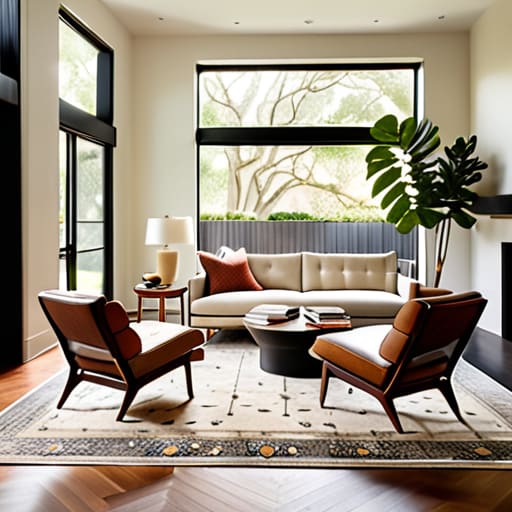
At the end of the day, choosing the right rug size isn’t just about measuring floor space or playing Tetris with your coffee table; it’s about creating a sense of intentionality in your home. Whether you’ve decided to go big and bold to anchor that gorgeous mid-century modern sofa, or you’re layering a smaller, vintage Persian find over a larger jute base for that perfect textural contrast, remember that the scale dictates the flow. Don’t let your furniture feel like it’s drifting aimlessly through the room! By keeping your seating legs tucked in or ensuring your rug reaches those crucial architectural boundaries, you are effectively mapping out the soul of your sanctuary and giving every piece of furniture a place to truly belong.
As you move forward with your decorating journey, try not to let the fear of making a “wrong” choice paralyze your creativity. Design is a living, breathing thing, much like those beautiful, weathered textiles I love to hunt for at weekend flea markets. If a rug feels a little too small or a bit too large, you can always pivot, layer, or reimagine. Your home should never feel like a museum showroom; it should feel like you. So, grab your measuring tape, trust your designer’s intuition, and go ahead—transform that empty floor into a masterpiece that tells your unique story!