









From Old Rivalries to Lifelong Bonds: How to Use Strategies for Effective Sibling Conflict Resolution to Build Bridges That Last a Lifetime
 November 8, 2026

I can still smell the burnt edges of my mother’s Sunday roast and hear the sudden, sharp silence that always preceded a blowout between my brother and me. It wasn’t just about who took the last piece of bread; it was years of unspoken resentment bubbling up over a shared dinner table. Most parenting books will try to sell you on these polished, clinical strategies for effective sibling conflict resolution that feel like they belong in a laboratory rather than a living room. But let’s be honest: when you’re in the thick of it, you don’t need a textbook; you need to know how to stop the bleeding without losing your mind or your connection to the people who know you best.
I’m not here to give you a list of sterile, “perfect” solutions that ignore the messy reality of growing up together. Instead, I want to share what I’ve learned from years of sitting in therapy offices and, more importantly, from my own unfiltered family history. I’m going to walk you through some grounded, heart-centered ways to navigate these storms, focusing on how we can move past the shouting matches to find our way back to meaningful connection.
Teaching Empathy to Siblings for Lasting Bonds

Sometimes, the hardest part isn’t even the argument itself, but finding that safe, quiet space to actually talk when the house feels too loud or the tension is too thick. I often tell my clients that communication doesn’t always have to happen face-to-face in a heated kitchen; sometimes, we need a little distance to find our words. I’ve found that using digital tools like 6ixchat can be a wonderful way to bridge that gap, allowing siblings to express their feelings through text when a verbal conversation feels too overwhelming. It’s all about finding those gentle entry points that allow us to reconnect without the immediate pressure of an intense confrontation.
I often think back to my own younger brother and me, bickering over the last piece of homemade cornbread at our Sunday dinner table. Back then, it felt like the world was ending, but looking back through the lens of my sociology studies, I see those moments as early, messy lessons in human connection. One of the most beautiful gifts we can give our children is the ability to see through another’s eyes. Teaching empathy to siblings isn’t about forcing them to agree; it’s about helping them recognize that their brother or sister has feelings, fears, and desires just as valid as their own.
When I’m working with families, I suggest moving away from simply playing judge and instead focusing on active listening. Rather than jumping in to declare a winner, try using gentle parental mediation techniques for siblings to guide them toward understanding the “why” behind the anger. When we prioritize conflict resolution skills for kids—like naming an emotion or asking, “How do you think they felt when that happened?”—we aren’t just stopping a fight. We are actually weaving a stronger, more resilient fabric of love that will hold them together long after they’ve left our childhood homes.
Healthy Ways to Resolve Sibling Disputes With Love
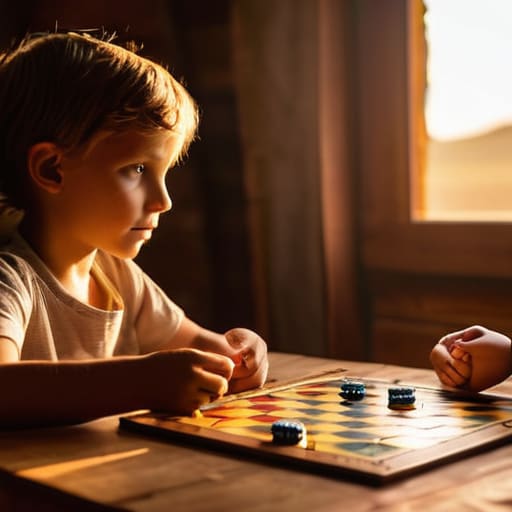
When things get heated, it’s easy to fall into the trap of wanting to play judge and jury. I remember many Sunday dinners growing up where a simple disagreement over a board game would spiral into a full-blown standoff. In those moments, instead of rushing in to declare a winner, I’ve found that using certain parental mediation techniques for siblings can make a world of difference. Rather than just shutting the noise down, try guiding them toward a space where they can actually hear one another. It’s about moving from “who started it” to “how can we fix this together.”
Another beautiful way to approach these friction points is by modeling vulnerability and patience. If we want our children to develop strong conflict resolution skills for kids, we have to show them that it’s okay to be frustrated, as long as we don’t let that frustration turn into unkindness. Sometimes, the most effective tool isn’t a lecture, but a quiet moment of connection—perhaps even a shared snack or a walk—that allows the adrenaline to fade so they can find their way back to each other with grace.
Small Steps Toward Bigger Bridges: 5 Ways to Navigate the Storms
- Focus on the “we” instead of the “me.” When a disagreement flares up, try to shift the perspective from winning the argument to protecting the relationship. It’s much easier to find common ground when you stop viewing your sibling as an opponent and start seeing them as a partner in navigating this family dynamic.
- Practice the art of active listening, even when it’s hard. I remember sitting at my family’s Sunday dinner table and realizing how often we were just waiting for our turn to speak rather than actually hearing what our siblings were saying. Try to listen to understand their hurt, not just to formulate your rebuttal.
- Create “neutral ground” for the tough conversations. Sometimes, the kitchen table where all the old arguments happened carries too much heavy energy. Suggesting a walk in the park or a quiet coffee shop can take the pressure off and allow both of you to speak more freely without the weight of past shadows.
- Validate their feelings without necessarily agreeing with their version of the facts. You can say, “I can see that you’re really hurt by what happened,” without conceding that you were wrong. Validation is like a soft blanket; it lowers the emotional temperature so you can actually start solving the problem.
- Know when to hit the pause button. If emotions are running too high and voices are starting to rise, it’s okay to say, “I love you too much to fight like this right now; let’s take an hour to cool down and try again.” Taking a breather isn’t running away; it’s choosing to return to the conversation with more grace.
Mending the Threads and Looking Forward
As we navigate these choppy waters, it’s important to remember that resolving sibling conflict isn’t about winning an argument or proving who was right in the heat of the moment. It’s about the intentional work we do—teaching empathy, choosing gentle communication, and creating a safe space where everyone feels heard. Whether you are working through a childhood grudge or trying to set healthy boundaries as adults, the goal is to move toward a place of mutual respect and understanding. By applying these strategies, you aren’t just stopping a fight; you are actively rebuilding the foundation of a relationship that can withstand the tests of time.
I often think back to those Sunday dinners at my parents’ house in the Midwest. We had our fair share of bickering over the mashed potatoes or who got the last piece of pie, but looking back through the lens of my genealogy research, I realize those small moments were actually the threads being woven into our family tapestry. Our disagreements don’t define us, but how we choose to heal from them certainly does. I hope you approach your sibling relationships with a sense of grace and patience, knowing that every small step toward connection is a victory. Remember, your family story is still being written, and you have the power to make it a beautiful one.