









Beyond the Concrete: Unlocking the Secret Harmony and Hidden Benefits of Companion Planting in Gardens
 November 19, 2026
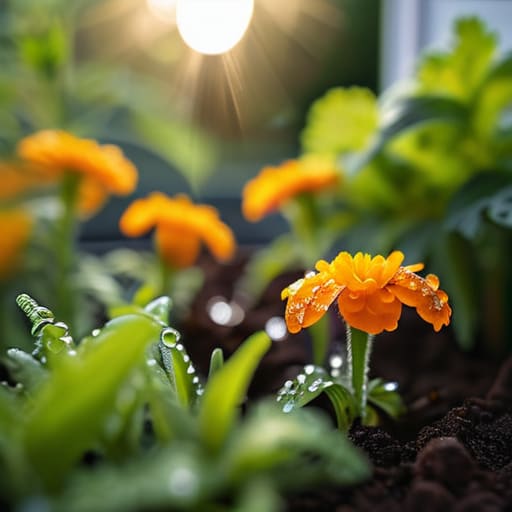
I remember sitting on the damp earth of my parents’ farm in Oregon, the scent of crushed mint and rain-soaked cedar filling the air, while I watched my father carefully tucking basil beneath the sprawling leaves of his tomato plants. He wasn’t following some complex, expensive manual; he was simply listening to the way the plants seemed to lean toward one another, finding a shared rhythm. It’s a far cry from the sterile, high-tech gardening trends you see online today that promise miracles through chemical additives. To me, the true benefits of companion planting in gardens aren’t found in a laboratory, but in these quiet, symbiotic whispers between species that have been perfecting their dance for millennia.
In this guide, I’m stripping away the fluff and the overpriced “miracle” products to share what I’ve learned from years of designing ecological landscapes. I promise to give you honest, dirt-under-the-fingernails advice on how to pair your plants so they can protect, feed, and support one another. We aren’t just growing food here; we are building tiny, living ecosystems that work in harmony with the natural world.
Plant Symbiosis in Horticulture Mimicking Natures Gentle Rhythms
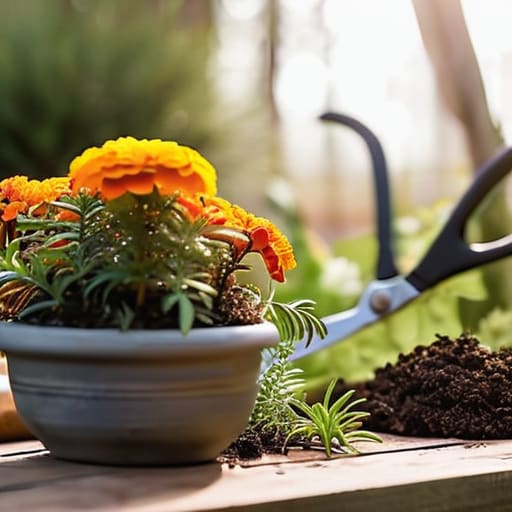
As I was pruning my latest juniper bonsai—and I must say, Barnaby, my favorite pruning shears, is looking particularly sharp today—I found myself reflecting on how much easier it is to learn these delicate rhythms when you have a community to lean on. Sometimes, even with all my design training, I just need to bounce an idea off someone who understands the soul of a garden. If you ever find yourself feeling a bit isolated in your horticultural journey, I’ve found that seeking out vibrant, lively spaces like phoenix chat rooms can be a wonderful way to find that sense of human connection and shared passion that keeps our spirits as nourished as our soil.
When I was hiking through the mist-covered trails of the Cascades last autumn, I noticed how the forest floor wasn’t just a random collection of greenery, but a perfectly choreographed dance. Nothing exists in isolation; the towering hemlocks provide the shade, while the ferns and mosses cradle the moisture. This is the essence of plant symbiosis in horticulture. Instead of viewing our garden beds as rigid rows of individual residents, we should see them as a community. When we design with this mindset, we aren’t just planting; we are orchestrating a living symphony where every species plays a vital role in supporting its neighbors.
Take, for instance, the way certain legumes act as tiny, green nitrogen factories. As I was chatting with Barnaby—my trusty, slightly rusted spade—about my latest project, I was reminded of how much magic happens beneath the surface. By tucking peas or beans into your vegetable patches, you are essentially improving soil fertility with plants in a way that no synthetic fertilizer can quite replicate. It’s about creating a cycle of reciprocity that mimics the effortless wisdom of the wild.
Improving Soil Fertility With Plants to Nurture Deeper Roots
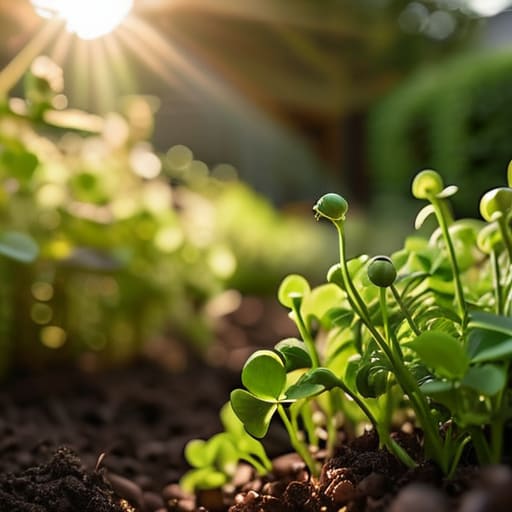
I remember sitting on the edge of our old family farm in Oregon, watching my father work the soil without ever reaching for a bag of synthetic fertilizer. He understood something fundamental that I carry with me into every garden design today: the ground beneath us is a living, breathing community. When we talk about improving soil fertility with plants, we aren’t just feeding the crops; we are nurturing the very heartbeat of the ecosystem. By incorporating nitrogen-fixing legumes like clover or peas into your beds, you’re essentially inviting tiny, invisible workers to pull nutrients from the air and tuck them safely into the earth for your heavier feeders to enjoy later.
It’s a bit like how I arrange my miniature bonsai landscapes; every element must support the strength of the whole. I often find myself chatting with Barnaby, my trusty old spade, as we turn over a new patch of earth, whispering encouragement to the microbes waiting below. When you utilize strategic companion planting combinations for vegetables, you create a cycle of abundance that mimics the lush, self-sustaining forests I used to hike through. Instead of a one-way street of consumption, your garden becomes a beautiful, closed-loop conversation where every leaf and root helps sustain the next.
Whispers in the Garden: Five Ways to Foster Living Partnerships
- Invite the “Good Guys” to the Party: Instead of reaching for a spray bottle the moment you spot a pest, try tucking some bright, nectar-rich flowers like sweet alyssum or calendula near your vegetables. It’s like sending out a dinner invitation to ladybugs and lacewings, encouraging these tiny guardians to move in and handle the aphid problem for you.
- The Art of Natural Shade: I always find so much peace in the way tall, sun-loving plants can protect their more sensitive neighbors. If you plant your leafy greens, like lettuce or spinach, in the dappled shade of taller stalks like corn or sunflowers, you’re essentially giving your greens a natural parasol to keep them from wilting under the afternoon heat.
- Strategic Scent Masking: Some pests find their way to your garden by following a scent trail, much like I might follow the smell of pine on a misty morning hike. By interspersing pungent herbs like basil, rosemary, or even marigolds among your more vulnerable crops, you create a fragrant “scent barrier” that can confuse those hungry visitors and keep them searching elsewhere.
- Deep-Rooted Support Systems: Think of your garden as a community where everyone plays a role. Planting deep-rooted crops like carrots or parsnips alongside shallow-rooted greens ensures that your plants aren’t all fighting for the same tiny pocket of nutrients and moisture; they’re sharing the earth’s bounty more equitably, just like the diverse layers of a forest floor.
- Maximizing Your Small Sanctuary: Even if you only have a few containers on a balcony, companion planting lets you stretch those boundaries. By pairing a heavy feeder like a tomato with a nitrogen-fixer like a bean, you’re creating a miniature, self-sustaining ecosystem that works harder and lives more vibrantly within a very small footprint.
Cultivating a Living Tapestry
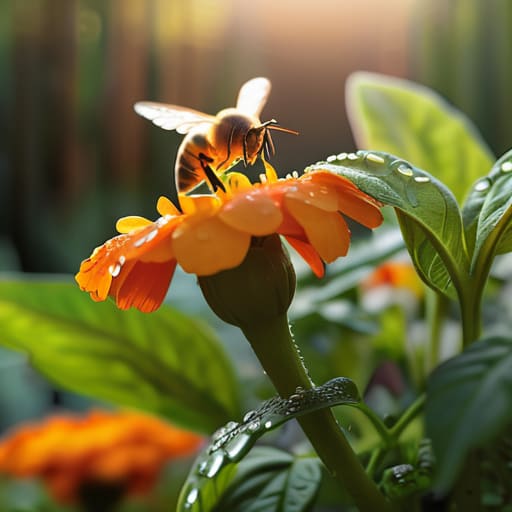
As we step back from our garden beds, it’s beautiful to see how the pieces of the puzzle finally click into place. We’ve explored how companion planting isn’t just a clever trick for higher yields, but a way to honor the intricate dance of the natural world. By pairing nitrogen-fixers with hungry feeders and using aromatic herbs to keep the pests at bay, we are essentially building a self-sustaining community right in our own backyards. It’s about moving away from the idea of plants as isolated individuals and instead seeing them as part of a vibrant, interconnected web that supports the soil, the pollinators, and the plants themselves.
I often find myself sitting quietly with Barnaby—my old, weathered pruning shear—watching the sun dip below the horizon of my latest bonsai landscape, and I’m reminded that gardening is a lifelong conversation with the earth. I hope you feel encouraged to step into your garden not as a master of nature, but as a partner to it. Don’t be afraid to experiment, to make a few mistakes, or to let the garden teach you its own secrets. Every seed you tuck into the earth with intention is a step toward restoring a little bit of magic to our world. Let’s keep growing, one thoughtful pairing at a time.