









The Art of Meal Planning for a Warm and Organized Family Life
 June 26, 2025
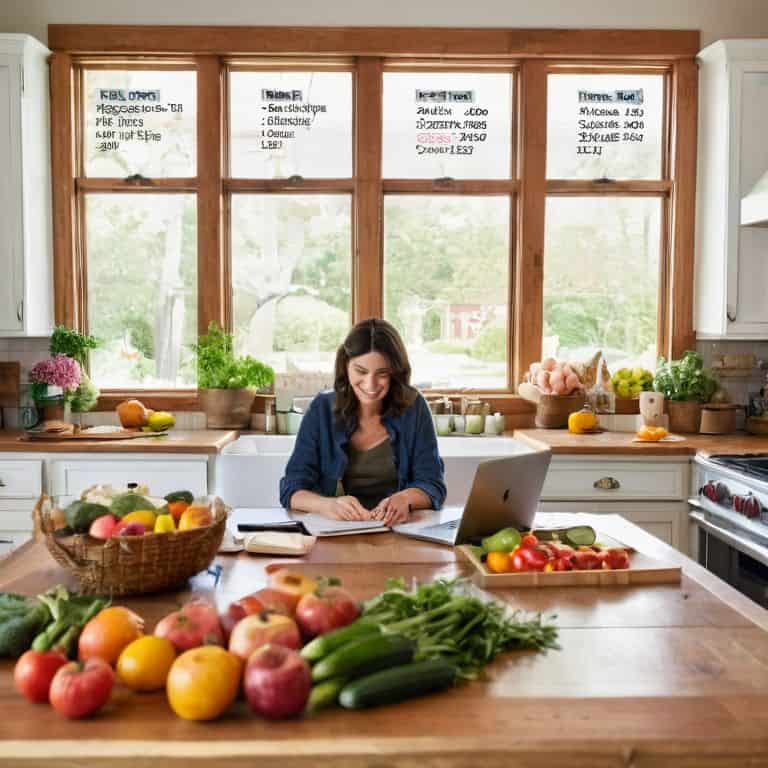
As I sit in my kitchen, surrounded by the rustic charm of my vintage utensils and the aroma of freshly baked bread, I’m reminded of the countless Sundays I spent as a child watching my nonna plan our family’s meals for the week. Meal planning, a task often viewed as mundane, was to her an art form – a way to weave together stories of love, tradition, and community. But I’ve come to realize that many people see meal planning as a chore, a necessary evil in the pursuit of a healthier, more organized life. The truth, however, is that it’s so much more than that. It’s about preserving the recipes and traditions that make us who we are, while also embracing the beauty of diversity and cultural exchange.
In this article, I promise to share with you my personal approach to meal planning, one that’s rooted in my Italian heritage but influenced by my experiences as a food anthropologist. You’ll learn how to create a flexible framework for planning your meals, one that allows for spontaneity and creativity while still ensuring you’re making the most of your time and ingredients. I’ll also share some of my favorite family recipes, passed down through generations, and provide you with practical tips on how to make meal planning a enjoyable and rewarding experience. By the end of this journey, you’ll be equipped with the knowledge and inspiration to turn meal planning into a labor of love, rather than a tedious task.
Table of Contents
Guide Overview: What You'll Need
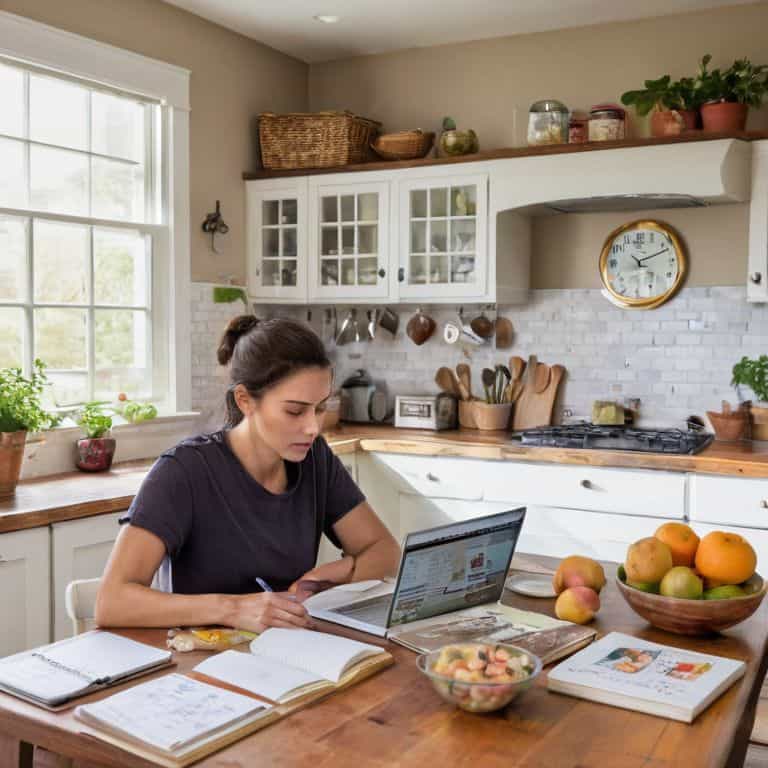
Total Time: 1 hour 30 minutes
Estimated Cost: $0 – $10
Difficulty Level: Easy
Tools Required
- Pen (for writing down meal ideas)
- Pencil (for erasing and making changes)
- Calendar (for planning meals across the week)
Supplies & Materials
- Notebook (for keeping track of recipes and grocery lists)
- Computer or Smartphone (for accessing recipe websites and meal planning apps)
Step-by-Step Instructions
- 1. First, let’s start by gathering inspiration for our meal planning, just like I used to do with my nonna in our small coastal town in Italy. We’d spend hours flipping through old cookbooks, talking to local farmers, and exploring the fresh flavors of the season. To recreate this experience, take some time to browse through your favorite cookbooks, food blogs, or social media platforms to get a sense of the dishes you’d like to cook. Make a note of the recipes that catch your eye, and start a list of the ingredients you’ll need.
- 2. Next, take a closer look at your calendar for the week, and think about your lifestyle and schedule. Consider your work hours, any social engagements, and your personal preferences when it comes to meal times. This will help you determine how many meals you need to plan for, and what type of dishes will suit your busy days. For example, if you have a long day at work, you might want to plan a slow cooker recipe that’s easy to prepare and can simmer away while you’re away.
- 3. Now it’s time to think about the stories behind your meals. What are some of your favorite family recipes, and how can you incorporate them into your meal plan? Perhaps you have a traditional Sunday dinner that’s been passed down through generations, or a special occasion dish that’s always a hit. By weaving these stories into your meal plan, you’ll add a personal touch to your cooking and make the experience even more enjoyable.
- 4. With your inspiration, schedule, and personal stories in mind, it’s time to start planning your meals. Begin by assigning a recipe to each day of the week, taking into account your schedule and the ingredients you have on hand. Be sure to include a variety of dishes to keep things interesting, and don’t be afraid to mix and match different cuisines and flavors. You might also consider planning some flex meals that can be easily swapped out if your plans change.
- 5. Once you have your meal plan in place, it’s time to make a grocery list. Go through each recipe and note down the ingredients you’ll need, checking off anything you already have in your pantry or fridge. This will help you avoid food waste and ensure that you have everything you need to cook your meals. You might also consider planning a pantry purge to get rid of any expired or unused ingredients and make room for fresh new flavors.
- 6. Now that you have your grocery list, it’s time to head to the market. Whether you’re shopping at a local farmer’s market, a specialty store, or a large supermarket, be sure to shop with intention. Take your time, and enjoy the experience of selecting fresh produce, meats, and other ingredients. You might even discover some new flavors and ingredients to add to your repertoire.
- 7. Finally, take some time to review and adjust your meal plan as needed. Life can be unpredictable, and it’s not uncommon for plans to change at the last minute. By staying flexible and being open to adjustments, you can ensure that your meal plan remains realistic and enjoyable. Don’t be too hard on yourself if things don’t go exactly as planned – the most important thing is to have fun and enjoy the journey of cooking and sharing meals with the people you love.
Meal Planning Magic
As I sit in my kitchen, surrounded by the vintage utensils I’ve collected over the years, I’m reminded of the art of cooking that my nonna used to practice. She would often spend hours preparing meals for our family, and it was a labor of love that brought us all together. When it comes to healthy meal planning on a budget, it’s all about finding that balance between nourishing your body and nourishing your soul. I’ve found that using seasonal ingredients and planning ahead can make all the difference in creating delicious, wholesome meals that won’t break the bank.
One of my favorite tips for meal planning for beginners is to start small and keep it simple. Don’t feel like you need to plan out every single meal for the week – start with just a few days and see how it goes. You can use a monthly meal planning calendar to help you stay organized and ensure that you’re not repeating the same meals over and over. And don’t be afraid to get creative and try new things – it’s all part of the fun of cooking and exploring new flavors.
As I look back on my own journey with food, I’m reminded of the importance of making family friendly meal planning ideas a priority. Whether it’s a big Sunday dinner or a quick weeknight meal, the time we spend around the table together is truly precious. By incorporating vegetarian meal planning tips and other healthy habits into our daily routine, we can create a more sustainable and loving relationship with food that will last a lifetime.
Family Friendly Monthly Plans
As I sit down to plan our monthly meals, I’m reminded of my nonna’s wisdom: a well-stocked pantry is like a warm hug for the family. I think about the dishes my children love, like my famous lasagna or hearty minestrone. I make a list of staples like pasta, olive oil, and canned tomatoes, which become the foundation of our family-friendly meals. With these ingredients, I can whip up a variety of dishes that please both kids and adults.
My approach to family-friendly meal planning is all about simplicity and flexibility. I focus on a few core ingredients and then get creative with recipes. This way, everyone gets to enjoy a delicious, home-cooked meal together, and I get to share stories of our Italian heritage through the food we eat.
Healthy Traditions on Budget
As I sit in my cozy kitchen, surrounded by the vintage utensils I’ve collected over the years, I’m reminded that healthy traditions don’t have to break the bank. My nonna used to say that the best meals come from the heart, not the wallet. She’d stretch a single chicken into three meals, using every scrap to create something delicious. I’ve carried on that tradition, finding ways to make wholesome, nutritious meals without sacrificing flavor or our family’s heritage.
By planning ahead and shopping for seasonal ingredients, we can enjoy the rich flavors of our ancestors without overspending. A hearty minestrone, made with vegetables from our local market, can be a comforting and affordable option. As I take a sip, I’m transported back to my childhood, surrounded by the love and laughter of my family’s kitchen. The key is to be creative, to see the magic in the everyday ingredients and to weave them into a tapestry of taste and tradition.
Weaving Flavors and Memories: 5 Timeless Tips for Meal Planning
- Start with a story, not a recipe: Let the memories of your family’s culinary traditions guide your meal planning, just as my nonna’s kitchen tales inspired me
- Shop with the seasons, and the locals: Visit your neighborhood market to discover the freshest ingredients and support the community, just like I did back in my small coastal town in Italy
- Make a list, and check it twice: But not just for the ingredients, also for the love and laughter you’ll share around the dinner table, because that’s what meal planning is truly about
- Preserve the past, and innovate for the future: Combine traditional techniques with modern twists to create dishes that are both nostalgic and exciting, like my signature vintage kitchen utensil-restored recipes
- Leave room for serendipity: Don’t be afraid to stray from your plan and try new things – it’s often the unexpected ingredients that lead to the most unforgettable meals, and the best stories to tell
Timeless Wisdom from My Nonna's Kitchen: 3 Key Takeaways
As I sit amidst my vintage kitchen utensils, I’m reminded that meal planning is a labor of love, much like restoring a treasured family heirloom – it’s about weaving stories, traditions, and love into every dish
By embracing healthy traditions and family-friendly monthly plans, we can create a culinary tapestry that’s as much about nourishing our bodies as it is about nurturing our souls, all while honoring the cultural heritage that makes each recipe uniquely special
Whether I’m guessing the ingredients in a dish or crafting a new recipe inspired by my travels, I’ve come to realize that the true magic of meal planning lies not in the planning itself, but in the memories we create, the stories we tell, and the love we share around the dinner table, one delicious, heritage-rich meal at a time
A Taste of Tradition
Meal planning is not just about mapping out meals, it’s about weaving the tapestry of our memories, one recipe at a time, where every ingredient tells a story and every dish becomes a testament to the love that binds us together.
Marco Bianchi
Weaving a Tapestry of Taste and Tradition
As I reflect on our journey through the world of meal planning, I’m reminded of the power of storytelling that unfolds with each dish. From the healthy traditions that bring us closer to our roots, to the family-friendly monthly plans that make nourishing our loved ones a joy, every recipe and every meal has a story to tell. It’s about more than just sustenance; it’s about weaving a tapestry of love, culture, and connection that transcends generations. By embracing the art of meal planning, we’re not just planning meals, we’re planning moments of togetherness and tradition.
As we conclude this culinary journey, I want to leave you with a final thought: the true magic of meal planning lies not in the plans themselves, but in the memories we create along the way. So, let’s continue to savor each moment, to cherish each recipe, and to honor the stories that make every meal a testament to the power of food to bring us together. In doing so, we’ll find that meal planning is not just about meals, but about crafting a legacy of love, one delicious dish at a time.
Frequently Asked Questions
How can I incorporate my family's cultural heritage into our meal planning without breaking the bank?
For me, it’s about infusing our meals with Nonna’s love and our Italian traditions. I scour local markets for affordable, authentic ingredients and get creative with family recipes, like my nonna’s famous pasta sauce, to bring our heritage to the table without breaking the bank.
What are some creative ways to repurpose leftovers and reduce food waste in my weekly meal plans?
Just like Nonna used to do, I love transforming leftovers into new creations – think yesterday’s roast chicken becoming today’s chicken salad or soup. Get creative with your leftovers and reduce waste by planning meals around what you already have, and don’t be afraid to experiment with new flavors and ingredients!
Can you share some tips on how to involve my children in the meal planning process to teach them about healthy eating and culinary traditions?
Involving my little ones in meal planning is a delight! I encourage them to help with simple tasks like measuring ingredients or mixing batter. We also explore traditional Italian recipes together, like Nonna’s famous pasta sauce, teaching them about our heritage and the joy of healthy, homemade meals.