






One-pot Wonders: Simplifying Family Dinners With Minimal Cleanup
 June 1, 2025
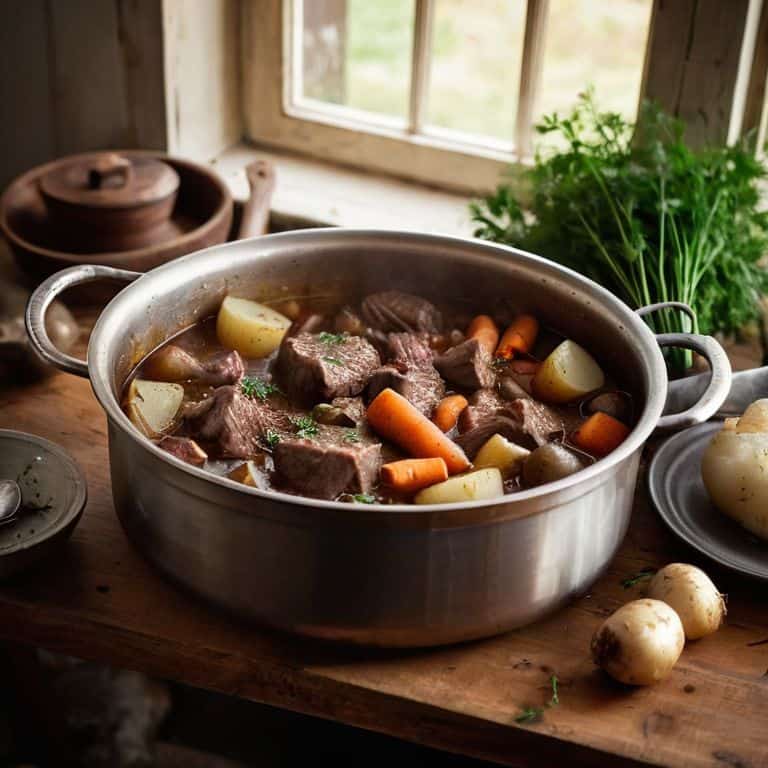
I still remember the first time I stumbled upon a traditional one-pot recipe in my nonna’s kitchen. It was a big, steaming pot of _pasta e fagioli_ that filled the entire house with the most incredible aromas. I was fascinated by how something so simple could be so flavorful and comforting. As I delved deeper into the world of one-pot cooking, I realized that many people believe these recipes are only for lazy days or when you’re short on time. But the truth is, one-pot recipes are an art form that requires patience, love, and a deep understanding of how flavors meld together.
As we embark on this culinary journey together, I promise to share my honest, experience-based advice on how to create unforgettable one-pot recipes. I’ll take you through the stories behind each dish, the techniques that make them special, and the _secret ingredients_ that will elevate your cooking to the next level. My goal is to inspire you to experiment with new flavors and traditions, while honoring the simplicity and heartiness of one-pot cooking. So, let’s get started on this delicious adventure, and discover the magic that happens when we cook with love, passion, and a deep appreciation for the art of _cucina italiana_.
Table of Contents
Recipe Details
Ingredients
- 1 cup uncooked white rice (rinsed)
- 2 cups mixed vegetables (e.g., peas, carrots, corn)
- 1 pound boneless chicken breast (cut into 1-inch pieces)
- 2 tablespoons olive oil
- 1 onion, diced
- 2 cloves garlic, minced
Tools & Supplies
- Large pot with lid (at least 3-quart capacity)
- Cutting board
- Knife
- Measuring cups and spoons
Recipe Instructions
Step 1
First, let’s start with the foundation of any great one-pot recipe: aromatics. I like to think of this step as setting the stage for the entire dish, where the sweetness of onions, the pungency of garlic, and the earthiness of celery all come together in perfect harmony. Chop these ingredients finely and sauté them in a generous amount of olive oil until they’re softened and fragrant, filling your kitchen with the most incredible bouquet.
Step 2
Next, add your protein of choice – I’m particularly fond of using pancetta or guanciale for their rich, unctuous flavor – and cook until it’s crispy and golden. This step is all about texture, adding a satisfying crunch to your dish that will provide a beautiful contrast to the tender vegetables and grains that follow.
Step 3
Now it’s time to add the heart of your one-pot recipe: the vegetables. I love using a mix of colorful bell peppers, juicy tomatoes, and earthy mushrooms, each one adding its unique character to the pot. Chop them into bite-sized pieces and add them to the pot, stirring occasionally, until they start to soften and release their natural sweetness.
Step 4
With your vegetables well on their way, it’s time to add the liquid components of your dish. This could be a combination of broth, wine, and tomatoes, depending on the specific recipe you’re using. I find that a good reduction is key here, allowing the flavors to meld together and intensify as the liquid cooks down. Bring the mixture to a simmer and let it cook for at least 20 minutes, stirring occasionally, as the flavors mature and deepen.
Step 5
As your one-pot recipe nears completion, it’s time to add the final touches: grains, legumes, or perhaps some noodles to soak up all that glorious sauce. I’m particularly fond of using cannellini beans or farro for their creamy texture and nutty flavor. Add your chosen ingredient to the pot, stirring to combine, and cook until it’s tender and fully incorporated into the dish. Season with salt, pepper, and a drizzle of extra virgin olive oil, and you’re ready to serve up a truly satisfying meal.
One Pot Recipes Revival
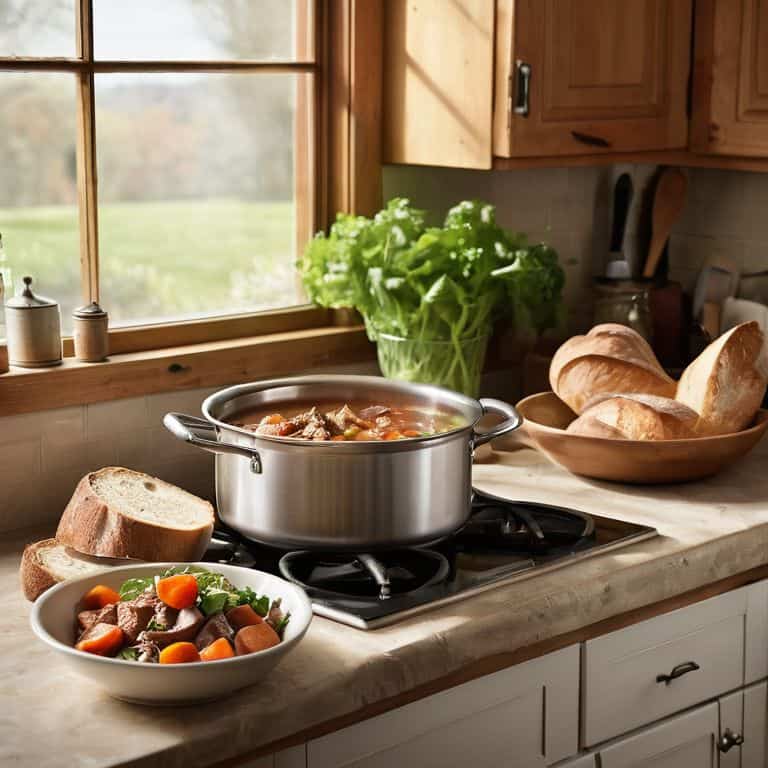
As I delve into the world of quick weeknight dinners, I’m reminded of my nonna’s clever approach to cooking. She’d often use a single, trusty pot to whip up a hearty meal, filling the kitchen with the most incredible aromas. This approach not only saved time but also allowed her to focus on the quality of the ingredients, rather than the quantity of dishes. I’ve found that adopting this mindset is key to creating truly satisfying meals, especially when paired with healthy meal prep ideas that emphasize whole foods and minimal waste.
When it comes to mastering the art of one-pot cooking, I always recommend starting with simple skillet cooking techniques. There’s something magical about the way a well-seasoned skillet can distribute heat, coaxing out the deepest flavors from even the humblest ingredients. Of course, not every dish requires a skillet – sometimes, a trusty crock pot is the way to go, especially for crock pot recipes for beginners. The key is to experiment, to find the methods that work best for you and your unique kitchen setup.
In my own kitchen, I’ve found that embracing a minimalist kitchen essentials approach has been a game-changer. By paring down my toolkit to only the most essential items, I’ve been able to focus on the true art of cooking – the alchemy of combining flavors, textures, and presentation to create something truly special. And when it comes to batch cooking strategies, I’ve learned to think outside the box, using my one-pot wonders as a starting point for a week’s worth of meals.
Crock Pot Secrets for Healthy Meal Prep Ideas
As I rummage through my vintage kitchen utensils, I stumble upon my trusty old crock pot, a relic from my nonna’s kitchen. It’s amazing how this humble appliance can transform simple ingredients into a nourishing feast. I recall my nonna’s secret to tender, fall-off-the-bone chicken – a pinch of patience and a dash of love, all slow-cooked to perfection in her crock pot.
For healthy meal prep ideas, I swear by my crock pot’s ability to coax out the deepest flavors from a medley of vegetables, lean proteins, and whole grains. Simply toss in your ingredients, set the timer, and let the crock pot work its magic, filling your home with the most incredible aromas.
Skillet Cooking Techniques for Quick Weeknights
Skillet cooking is an art form that brings me back to my nonna’s kitchen, where the sizzle of onions and garlic in olive oil signaled the start of a delicious meal. For quick weeknights, I rely on a few trusted techniques to coax the most flavor out of my skillet. A hot pan is essential, so I always preheat my skillet before adding a dash of oil and my chosen ingredients. This simple step ensures a nice crust forms on my ingredients, adding texture and depth to the dish.
By mastering a few basic skillet cooking techniques, such as searing and sautéing, you’ll be whipping up one-pot wonders in no time. Whether I’m cooking up a hearty pasta dish or a simple yet satisfying skillet dinner, these techniques never fail to impress.
Stirring Up Simplicity: 5 Essential Tips for Mastering One-Pot Recipes
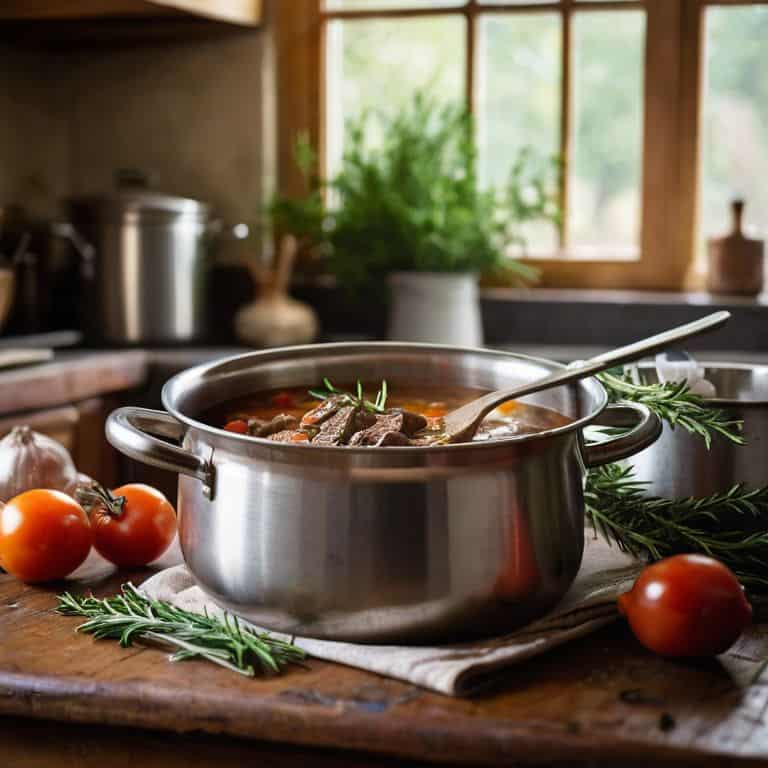
- Let the Aromas Unfold: Don’t rush the initial sautéing process, as it sets the foundation for the depth of flavors in your one-pot dish
- Harmony in Proportions: Balance your ingredients according to the recipe, but don’t be afraid to experiment and adjust seasonings to your taste
- Choose the Right Vessel: Whether it’s a sturdy Dutch oven or a versatile skillet, select a pot that distributes heat evenly for optimal cooking results
- Layering Flavors: Add ingredients in a sequence that allows each component to cook appropriately, ensuring a rich and satisfying final product
- Patience is a Virtue: Resist the temptation to hurry the cooking process; one-pot recipes often require time for the flavors to meld together and the ingredients to reach tender perfection
Three Whispers from My Nonna's Kitchen: Key Takeaways
As I reflect on my journey through the world of one-pot recipes, I’m reminded that the true magic lies not just in the convenience, but in the way these dishes can transport us back to a time when life was simpler, and the aromas wafting from the kitchen were the only invitation we needed to gather around the table.
The techniques we’ve explored, from skillet cooking to crock pot secrets, are more than just methods – they’re gateways to a world of flavors and stories that have been passed down through generations, and it’s our turn to keep those traditions alive, one delicious pot at a time.
Whether you’re a busy bee looking for quick weeknight solutions or a culinary adventurer seeking to uncover the forgotten flavors of the past, one-pot recipes offer a universal language that speaks directly to our hearts and stomachs, reminding us that, no matter where we come from, we all share a common love for the warmth and comfort of a home-cooked meal.
A Taste of Tradition
One-pot recipes are more than just a convenient way to cook – they’re a thread that weaves together generations, cultures, and memories, reminding us that the simplest dishes often hold the deepest flavors and most profound stories.
Marco Bianchi
A Delicious Legacy: The Timeless Allure of One-Pot Recipes
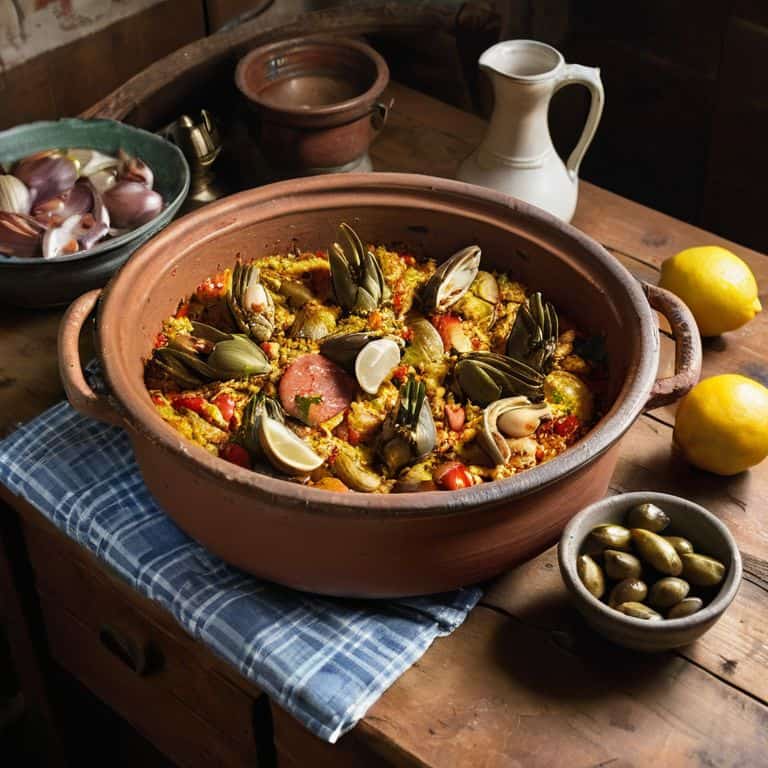
As I reflect on the journey of rediscovering one-pot recipes, I am reminded of the skillet cooking techniques and crock pot secrets that have been passed down through generations. From my nonna’s kitchen to the global table, these recipes have woven a rich tapestry of flavors and traditions. The revival of one-pot recipes is not just about convenience or efficiency; it’s about preserving the stories and cultural heritage that make each dish truly special. Whether it’s a hearty stew or a flavorful paella, each recipe is a testament to the power of food to bring people together and transcend borders.
As we conclude this culinary journey, I invite you to embark on your own path of discovery, to uncover the forgotten flavors of one-pot wonders and to infuse your meals with love and tradition. Remember, the true magic of cooking lies not just in the ingredients or techniques, but in the stories and memories that we create around the table. So, go ahead, gather your loved ones, and let the aromas of a simmering one-pot dish transport you to a world of warmth, comfort, and delicious connection.
Frequently Asked Questions
What are some essential tips for preventing ingredients from sticking to the pot when cooking one-pot recipes?
You know, just like Nonna taught me, a wee bit of oil and a gentle heat can work wonders – but I’ve also found that a mixture of acid, like a splash of vinegar or citrus, can help prevent sticking, especially with delicate ingredients like fish or eggs.
How can I adapt one-pot recipes to suit different dietary needs, such as gluten-free or vegan?
You know, just like Nonna used to do, we can easily tweak our beloved one-pot recipes to fit any dietary need. For gluten-free, simply swap traditional pasta for gluten-free alternatives or try using rice or quinoa. For vegan, substitute meat with plant-based proteins like lentils or chickpeas, and don’t forget to use vegan-friendly broths and seasonings. Buon appetito, everyone!
Are there any specific one-pot recipes that are particularly well-suited for large families or groups, and how can I scale up the ingredients effectively?
Just like Nonna used to make for our big, boisterous family gatherings, I’ve got a few one-pot wonders that are perfect for large groups. My signature seafood paella and hearty minestrone soup are always crowd-pleasers. To scale up, simply multiply the ingredients, keeping the ratio of aromatics to proteins to grains in mind, and don’t be afraid to get creative with the ingredients you have on hand.