









5 Hearty Soup Recipes for Cozy Family Dinners
 October 1, 2025
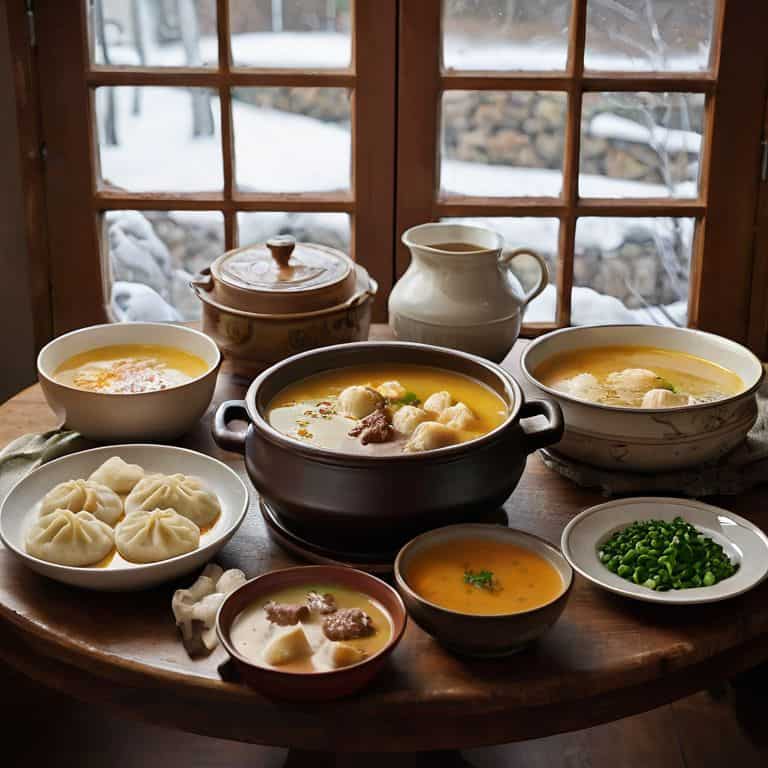
As I sit by the fireplace, watching the flames dance and listening to the sound of simmering pots, I’m reminded of my nonna’s kitchen, where hearty soup recipes were a staple of our family gatherings. There’s a common myth that these soups are just a vehicle for leftover vegetables, but I’m here to tell you that’s not the truth. In fact, a well-crafted hearty soup is an art form that requires patience, love, and a deep understanding of the ingredients and their stories. I recall my nonna spending hours in the kitchen, carefully selecting each ingredient and simmering the broth to perfection, filling our home with the most incredible aromas.
In this article, I promise to share with you my favorite hearty soup recipes, the ones that have been passed down through generations of my family and friends. I’ll take you on a journey through the Tuscan countryside, where the air is filled with the scent of freshly baked bread and the sound of laughter. You’ll learn how to create soups that are not just delicious, but also nourishing and comforting. From the traditional Italian minestrone to the spicy calabrian broth, I’ll guide you through the process of creating these hearty soup recipes with ease, using only the freshest ingredients and time-honored techniques. So, come join me on this culinary journey, and let’s get cooking!
Table of Contents
Recipe Details
Ingredients
- 2 tablespoons olive oil (for sautéing)
- 1 onion, chopped (medium size)
- 3 cloves garlic, minced (freshly minced)
- 2 carrots, peeled and chopped (medium size)
- 2 potatoes, peeled and chopped (medium size)
- 1 can diced tomatoes (14.5 oz)
- 4 cups vegetable broth (low sodium)
- 1 teaspoon dried thyme (fresh or dried)
- 1/2 teaspoon salt (to taste)
- 1/4 teaspoon black pepper (to taste)
- 2 cups kale, chopped (fresh or frozen)
Tools & Supplies
- Large pot
- Cutting board
- Knife
- Measuring cups
- Measuring spoons
- Wooden spoon
Recipe Instructions
Step 1
First, let’s start with the foundation of our hearty soup recipes, which begins with selecting the freshest ingredients. I like to think of this step as a journey back to my nonna’s kitchen, where the aromas of freshly picked vegetables and herbs filled the air. Begin by chopping one large onion, three cloves of garlic, and two medium-sized carrots. The key is to make sure each piece is roughly the same size so that they cook evenly.
Step 2
Next, heat a couple of tablespoons of olive oil in a large pot over medium heat. I find that using a vintage cast-iron pot adds a certain charm to the cooking process, but any large pot will do. Once the oil is warm, add the chopped onion and sauté until it’s translucent, which should take about five minutes. This step is crucial as it sets the flavor base for our soup.
Step 3
Now, add the minced garlic and continue to sauté for another minute, stirring constantly to prevent burning. The smell of garlic will start to fill your kitchen, reminiscent of cozy winter evenings. After the garlic has softened, add the chopped carrots and cook for about three minutes, allowing them to slightly tenderize.
Step 4
The fourth step involves adding the protein and broth to our pot. For this recipe, I recommend using diced chicken or beef, whichever you prefer, and a rich homemade broth. If you’re using store-bought broth, make sure to choose a low-sodium option to control the salt content of your soup. Add your choice of protein and pour in the broth, making sure that all the ingredients are well-covered.
Step 5
Bring the mixture to a boil and then reduce the heat to low, allowing it to simmer for at least 30 minutes, or until the vegetables are tender and the meat is cooked through. This step is where the magic happens, and all the flavors meld together. During this time, you can prepare any additional ingredients, such as crusty bread for serving or fresh herbs for garnish.
Step 6
Finally, season your soup with salt, pepper, and any other herbs or spices you like. I often add a pinch of dried thyme to give it a slightly earthy flavor. Serve hot, garnished with your choice of fresh herbs or a dollop of sour cream, and enjoy the warm, comforting goodness of your hearty soup. This is the moment when all your efforts come together, and you get to experience the simple joy of a homemade meal.
Hearty Soup Recipes
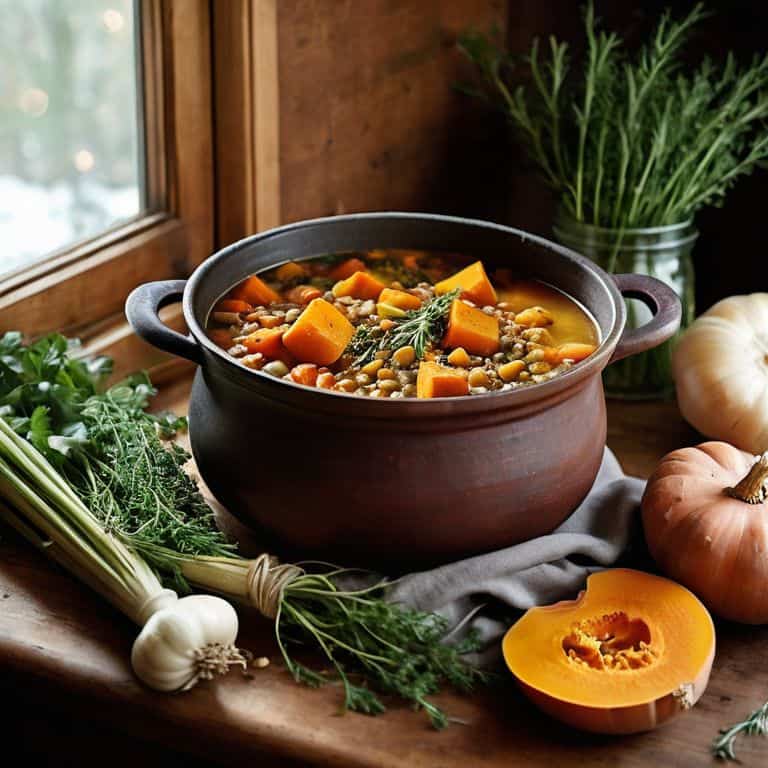
As I delve into the world of winter vegetable soup ideas, I’m reminded of my nonna’s kitchen, where the aroma of slow-cooked vegetables would fill the air. She’d often say that the key to a great soup is in the layers of flavor, which is why I love experimenting with different combinations of vegetables and spices. For a delicious twist on traditional soup, try adding some roasted butternut squash to your recipe – it adds a sweet and nutty flavor that pairs perfectly with the earthiness of lentils.
When it comes to slow cooker beef stew recipes, I believe that the slow cooking process is what sets them apart from other soups. The low and slow heat breaks down the connective tissues in the meat, making it tender and fall-apart delicious. To take your stew to the next level, try adding some red wine and fresh thyme to the pot – the result is a rich and full-bodied flavor that’s perfect for cold winter nights.
For a healthier option, consider trying some healthy lentil soup options. Lentils are a great source of protein and fiber, making them a nutritious and filling addition to any meal. I like to add some spicy black bean soup to my lentil soup for an extra kick – the combination of the two is a match made in heaven. Whether you’re in the mood for something comforting and classic, or adventurous and new, there’s a soup out there for everyone.
Slow Cooker Beef Stew Secrets
As I rummage through my collection of vintage kitchen utensils, I stumble upon my nonna’s old slow cooker, which always brings back memories of her tender beef stew. The secret to a rich, fall-apart texture lies in the low and slow cooking process, allowing the flavors to meld together in perfect harmony. I recall guessing the ingredients in her stew after just one taste, and she would smile, impressed by my culinary intuition.
My own slow cooker beef stew recipe is a nod to her traditional method, with a few modern twists. I add a hint of Italian seasoning and a splash of red wine to give it a depth of flavor that’s both familiar and exciting. As the aromas waft through my kitchen, I’m transported back to my childhood, surrounded by the love and warmth of my nonna’s cooking.
Winter Vegetable Soup Ideas Abound
Winter Vegetable Soup Ideas Abound
As I rummage through my vintage utensil collection, I’m reminded of the simple joys of simmering a hearty winter vegetable soup. The rustic charm of a well-worn wooden spoon, the soft clang of a copper pot – it’s as if the utensils themselves hold the secrets of the past. My nonna used to say that the key to a rich, velvety broth lies in the variety of vegetables, and I couldn’t agree more. From the sweetness of caramelized onions to the earthy undertones of parsnips, each ingredient adds a depth of flavor that’s nothing short of magical.
In the dead of winter, when the world outside seems barren and cold, a steaming bowl of vegetable soup is the ultimate comfort. I love experimenting with different combinations – the spicy kick of roasted butternut squash, the pop of color from a handful of kale, or the subtle sweetness of diced carrots. The possibilities are endless, and I find myself lost in the whimsy of it all, conjuring up tales of my nonna’s kitchen, where the aromas of simmering soups and stews wafted through the air, entrancing all who entered.
Simmering Secrets: 5 Tips to Elevate Your Hearty Soup Recipes
- Let your ingredients tell a story: choose seasonal and locally sourced produce to add depth and authenticity to your soups
- Acidity is key: a squeeze of fresh lemon juice or a splash of vinegar can balance the richness of your hearty soups
- Layer those flavors: sauté your aromatics, then add your proteins and vegetables in a sequence that builds complexity and character
- Broth is the backbone: experiment with different stocks, from classic chicken to rich beef or seafood, to create a foundation that enhances your soup’s personality
- Rest and revival: let your soups rest overnight, allowing the flavors to meld together, then reheat and serve with a flourish, garnished with fresh herbs or a dollop of creamy goodness
Timeless Wisdom from My Nonna's Kitchen: 3 Key Takeaways
As I reflect on the hearty soup recipes I’ve shared, I’m reminded that the simplest ingredients can evoke the most profound sense of comfort and belonging, much like the vintage kitchen utensils I love to collect and restore.
The art of slow cooking, as seen in our slow cooker beef stew, is not just about convenience, but about coaxing out the deep, rich flavors that only time and patience can provide, a lesson I learned from my nonna’s patient hands.
Whether you’re exploring the vibrant tapestry of winter vegetable soups or the hearty warmth of a traditional Italian minestrone, the true magic lies not in the recipe itself, but in the stories and traditions that simmer beneath the surface, waiting to be uncovered and shared.
A Taste of Tradition
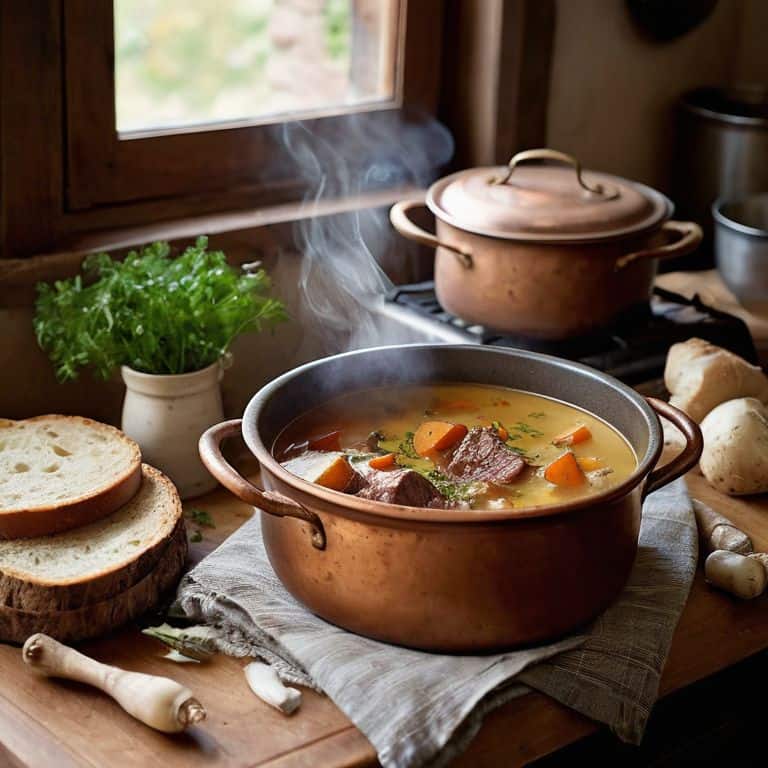
Hearty soup recipes are more than just a collection of ingredients – they’re a gateway to our collective past, a celebration of the love and laughter that happens around the table, and a reminder that, no matter where we come from, a warm bowl of goodness can make us all feel like we’re home.
Marco Bianchi
Wrapping Up Our Hearty Soup Journey
As we conclude our exploration of hearty soup recipes, it’s clear that these dishes are more than just a collection of ingredients – they’re a reflection of our shared cultural heritage. From the slow-cooked goodness of beef stew to the vibrant, vegetable-packed soups of winter, each recipe tells a story of tradition, community, and love. Whether you’re a seasoned chef or a curious newcomer to the world of cooking, I hope that this journey has inspired you to get creative in the kitchen and experiment with new flavors and techniques.
As you embark on your own culinary adventures, remember that the true magic of cooking lies not just in the recipes themselves, but in the memories we create around the table. So go ahead, gather your loved ones, and share a warm, comforting bowl of your favorite hearty soup. Let the aromas transport you to a place of comfort and joy, and let the stories behind each dish remind you of the powerful connection that food has to our past, our present, and our sense of community. Buon appetito, and I look forward to sharing more culinary tales with you soon!
Frequently Asked Questions
What are some essential spices and herbs that can elevate the flavor of hearty soups?
The magic of spices and herbs! In my nonna’s kitchen, we’d always say that a pinch of thyme, a sprinkle of rosemary, and a dash of bay leaves can transform any hearty soup. Of course, a good broth is essential, but don’t forget the warmth of cumin, coriander, and paprika to add depth and character.
Can hearty soups be made in advance and frozen for later use, and if so, what are some tips for reheating them?
The beauty of hearty soups lies in their ability to be made ahead and frozen for a later delight. I like to think of it as capturing a moment in time, much like my nonna used to do. Simply cool, portion, and freeze; then, reheat gently over low heat, adding a splash of broth if needed, and serve with a sprinkle of love.
How can I adapt hearty soup recipes to suit different dietary restrictions, such as vegetarian, gluten-free, or dairy-free options?
The art of adaptation! I love tweaking my nonna’s recipes to suit every palate. For vegetarian options, I swap meat for rich, roasted vegetables. Gluten-free? Simply substitute traditional pasta with rice or quinoa. And for dairy-free, a dollop of coconut cream or almond milk does the trick. The key is to experiment and have fun – your taste buds will thank you!