









Top 10 Classic Board Games for a Memorable Family Game Night
 September 13, 2025
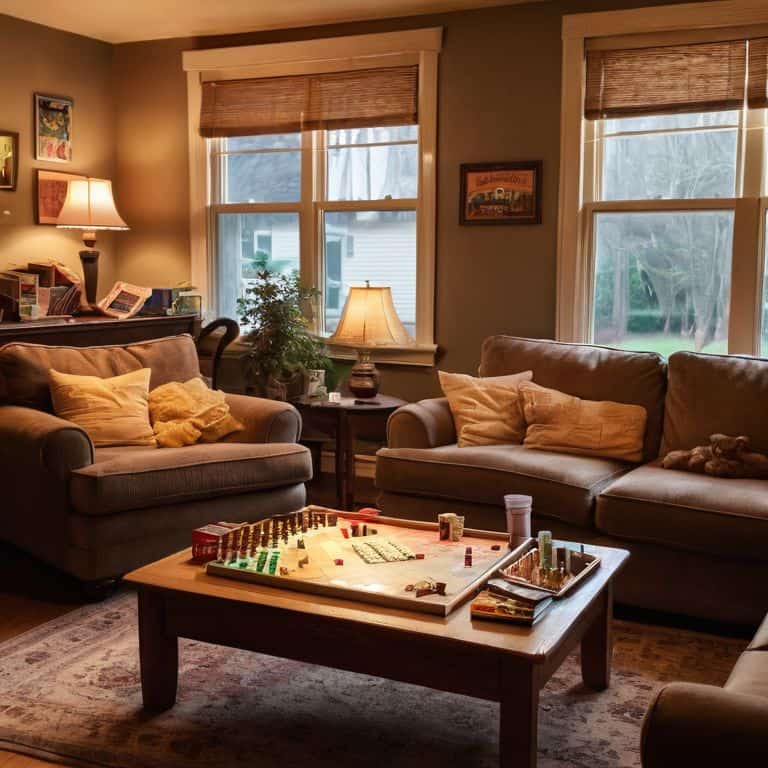
As I sit here surrounded by old family photos and classic board games, I’m reminded of the countless Sunday afternoons I spent gathered around the table with my loved ones, engaged in friendly competition and laughter. Those moments were more than just entertainment – they were a way for us to connect, to share stories, and to create lasting memories. In today’s fast-paced world, it’s easy to get caught up in our individual pursuits and forget the importance of quality time with those who matter most. That’s why I believe it’s essential to revisit the joys of classic board games, which have a way of bringing us together like few other activities can.
In the following list, I invite you to join me on a journey through the top 10 timeless favorites that have captivated families for generations. You’ll discover not only the most beloved classic board games but also the ways in which they can be used to foster deeper connections and create new traditions with your own family. From nostalgic favorites to hidden gems, each of these games offers a unique opportunity to slow down, engage with one another, and weave your own family stories together. By exploring these classic board games, you’ll gain a newfound appreciation for the simple pleasures in life and be inspired to make meaningful memories with your loved ones.
Table of Contents
- Timeless Tales with Scrabble
- The Strategic Delight of Risk
- The Simple Joy of Checkers
- Uncovering Hidden Treasures with Clue
- The Classic Charm of Monopoly
- The Timeless Appeal of Chess
- The Wordplay of Boggle
- The Excitement of Pictionary
- The Nostalgia of Sorry!
- The Enduring Popularity of Trivial Pursuit
- Weaving Lasting Memories: Key Takeaways from Our Journey Through Classic Board Games
- Timeless Connections
- Embracing the Timeless Joy of Classic Board Games
- Frequently Asked Questions
Timeless Tales with Scrabble
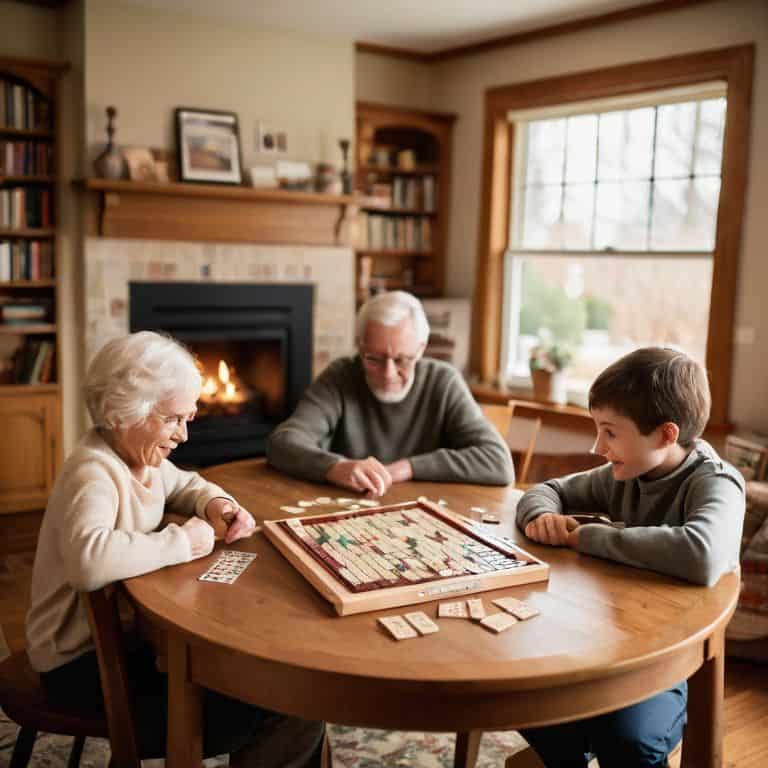
I still remember the first time I played Scrabble with my grandparents. It was a chilly winter evening, and we were all huddled around the fireplace, trying to come up with words that would use up all our tiles. My grandmother, an avid reader, was particularly good at finding obscure words that would stump us all. As we played, I realized that Scrabble was more than just a game – it was a way to bond over our shared love of words and stories. Family game nights like these are etched in my memory, and I cherish them to this day. As I grew older, I began to appreciate the way Scrabble brought our family together, fostering a sense of friendly competition and camaraderie. Whether we were playing with my grandparents or with our own children, Scrabble remained a constant presence in our lives, a reminder of the importance of quality time and shared experiences. As a family therapist, I’ve seen firsthand the impact that regular family game nights can have on relationships, and I always recommend Scrabble as a great way to start.
The Strategic Delight of Risk
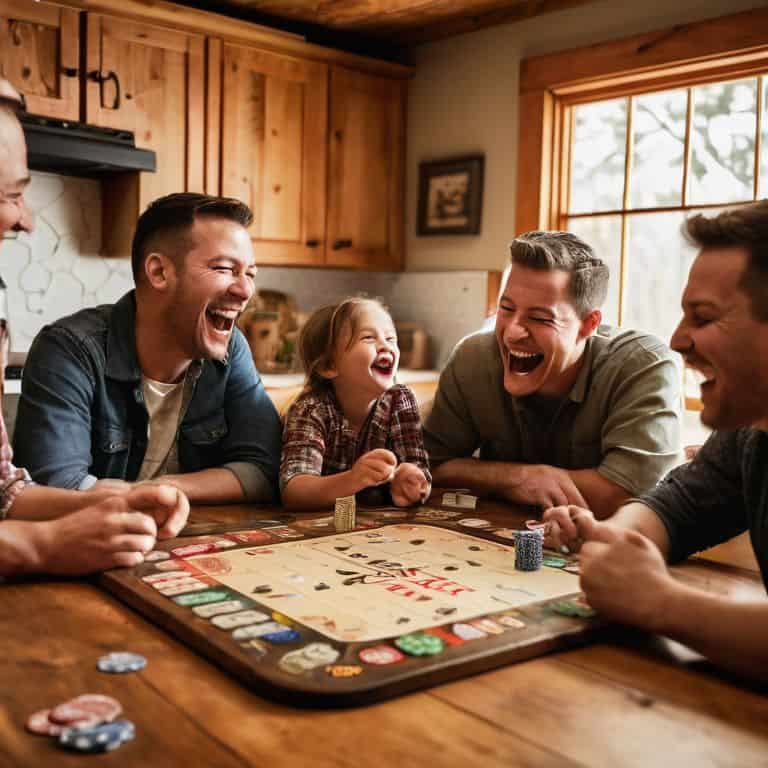
My brothers and I would often spend hours playing Risk, plotting and scheming our way to world domination. Our parents would sometimes join in, and it was amazing to see how the game brought out different personalities in each of us. My mom, a natural diplomat, would always try to form alliances, while my dad, a strategic thinker, would focus on building a strong military presence. As we played, I learned valuable lessons about strategic planning and negotiation, skills that have served me well in my personal and professional life. Looking back, I realize that Risk was more than just a game – it was a way for us to connect and learn from each other, to develop our critical thinking skills and to have fun while doing it. As I work with families in my therapy practice, I often see the benefits of playing games like Risk, which encourage healthy competition and collaboration. By playing together, families can build stronger relationships and create lasting memories, just like we did around our kitchen table.
The Simple Joy of Checkers
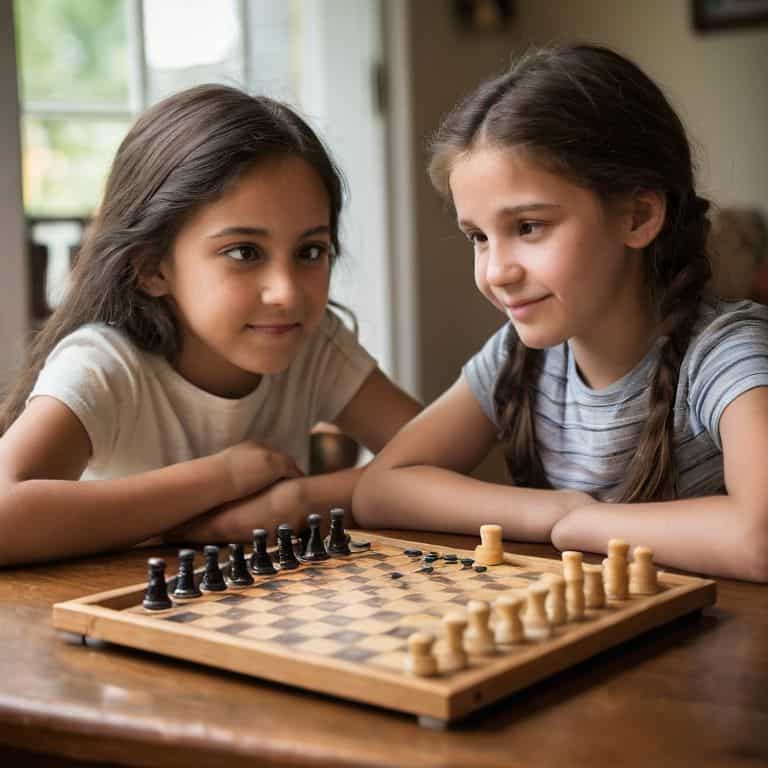
There’s something special about playing Checkers with a child. I remember teaching my younger cousin how to play, and watching as she mastered the rules and began to develop her own strategies. As we played, I was struck by the way Checkers brought us together, creating a sense of togetherness and shared purpose. The game is simple, yet deceptively complex, requiring a combination of luck and skill to win. As a family therapist, I appreciate the way Checkers can help children develop their problem-solving skills and hand-eye coordination, while also teaching them about good sportsmanship and healthy competition. Whether you’re playing with a child or an adult, Checkers remains a timeless classic, a reminder of the joy and simplicity of old-fashioned fun. As I reflect on my own childhood, I realize that games like Checkers played a big role in shaping my family values and traditions, and I’m grateful for the opportunity to pass them down to the next generation.
Uncovering Hidden Treasures with Clue
I’ve always loved a good mystery, and Clue is the perfect game for sleuths-in-training. As a child, I would spend hours playing with my siblings, trying to solve the crime and figure out who was responsible for the missing treasure. The game is all about deductive reasoning and critical thinking, skills that are essential for success in all areas of life. As we played, I learned to pay attention to details and to think creatively, skills that have served me well in my personal and professional life. Looking back, I realize that Clue was more than just a game – it was a way for us to bond over our shared love of mystery and to develop our analytical skills. As a family therapist, I recommend Clue to families who want to encourage critical thinking and problem-solving in their children, while also having fun together. By playing games like Clue, families can create lasting memories and strengthen their relationships, just like we did around our kitchen table.
The Classic Charm of Monopoly
There’s something special about playing Monopoly with family and friends. I remember spending hours playing with my cousins, buying and selling properties, and trying to drive each other to bankruptcy. The game is all about strategic thinking and financial literacy, skills that are essential for success in the real world. As we played, I learned valuable lessons about risk management and negotiation, skills that have served me well in my personal and professional life. Looking back, I realize that Monopoly was more than just a game – it was a way for us to connect and learn from each other, to develop our business skills and to have fun while doing it. As a family therapist, I often see the benefits of playing games like Monopoly, which encourage healthy competition and collaboration. By playing together, families can build stronger relationships and create lasting memories, just like we did around our kitchen table. Family game nights like these are essential for building strong, lasting relationships, and I always recommend Monopoly as a great way to start.
The Timeless Appeal of Chess
I’ve always been fascinated by the game of Chess, a true test of strategic thinking and problem-solving skills. As a child, I would spend hours playing with my grandfather, trying to outmaneuver him and checkmate his king. The game is all about critical thinking and analytical skills, skills that are essential for success in all areas of life. As we played, I learned valuable lessons about patience and perseverance, skills that have served me well in my personal and professional life. Looking back, I realize that Chess was more than just a game – it was a way for us to bond over our shared love of strategy and to develop our critical thinking skills. As a family therapist, I recommend Chess to families who want to encourage strategic thinking and problem-solving in their children, while also having fun together. By playing games like Chess, families can create lasting memories and strengthen their relationships, just like we did around our kitchen table. Quality time like this is essential for building strong, lasting relationships, and I always recommend Chess as a great way to spend time together.
The Wordplay of Boggle
I love playing Boggle with my family, a fun and challenging game that’s all about word recognition and vocabulary building. As we shake the lettered dice and try to come up with as many words as possible, I’m reminded of the importance of language skills and creative thinking. The game is a great way to encourage learning and develop problem-solving skills, all while having fun together. As a family therapist, I recommend Boggle to families who want to promote literacy and cognitive development in their children, while also spending quality time together. By playing games like Boggle, families can create lasting memories and strengthen their relationships, just like we did around our kitchen table. Family game nights like these are essential for building strong, lasting relationships, and I always recommend Boggle as a great way to start. As I reflect on my own childhood, I realize that games like Boggle played a big role in shaping my love of learning and appreciation for language, and I’m grateful for the opportunity to pass them down to the next generation.
The Excitement of Pictionary
There’s something special about playing Pictionary with a group of friends or family members. I remember spending hours playing with my siblings, drawing and guessing, and trying to come up with the correct answer. The game is all about creative thinking and teamwork, skills that are essential for success in all areas of life. As we played, I learned valuable lessons about communication and collaboration, skills that have served me well in my personal and professional life. Looking back, I realize that Pictionary was more than just a game – it was a way for us to connect and learn from each other, to develop our artistic skills and to have fun while doing it. As a family therapist, I recommend Pictionary to families who want to encourage creativity and self-expression in their children, while also promoting teamwork and communication. By playing games like Pictionary, families can create lasting memories and strengthen their relationships, just like we did around our kitchen table. Family game nights like these are essential for building strong, lasting relationships, and I always recommend Pictionary as a great way to start.
The Nostalgia of Sorry!
I have fond memories of playing Sorry! with my family, a classic game of strategy and luck. As we drew cards and tried to be the first to get all of our pawns to the Safety space, I was reminded of the importance of good sportsmanship and healthy competition. The game is a great way to encourage social skills and develop emotional intelligence, all while having fun together. As a family therapist, I recommend Sorry! to families who want to promote friendly competition and cooperation in their children, while also spending quality time together. By playing games like Sorry!, families can create lasting memories and strengthen their relationships, just like we did around our kitchen table. Family game nights like these are essential for building strong, lasting relationships, and I always recommend Sorry! as a great way to start. As I reflect on my own childhood, I realize that games like Sorry! played a big role in shaping my sense of humor and appreciation for life’s ups and downs, and I’m grateful for the opportunity to pass them down to the next generation. Game nights like these are a great way to relax and unwind, and to create memories that will last a lifetime.
The Enduring Popularity of Trivial Pursuit
I’ve always loved playing Trivial Pursuit with my family, a fun and challenging game that’s all about knowledge and trivia. As we answer questions and try to fill up our game boards, I’m reminded of the importance of lifelong learning and curiosity. The game is a great way to encourage critical thinking and problem-solving skills, all while having fun together. As a family therapist, I recommend Trivial Pursuit to families who want to promote intellectual curiosity and love of learning in their children, while also spending quality time together. By playing games like Trivial Pursuit, families can create lasting memories and strengthen their relationships, just like we did around our kitchen table. Family game nights like these are essential for building strong, lasting relationships, and I always recommend Trivial Pursuit as a great way to start. As I reflect on my own childhood, I realize that games like Trivial Pursuit played a big role in shaping my love of knowledge and appreciation for history, and I’m grateful for the opportunity to pass them down to the next generation. Game nights like these are a great way to relax and unwind, and to create memories that will last a lifetime, all while learning and growing together as a family.
Weaving Lasting Memories: Key Takeaways from Our Journey Through Classic Board Games
By incorporating classic board games into our family routines, we can create opportunities for meaningful interactions, strengthen bonds, and foster a sense of belonging among family members, just as I experienced during my childhood Sunday dinners
Embracing the simplicity and nostalgia of classic board games allows us to disconnect from our digital lives and reconnect with one another on a deeper level, sharing stories and laughter that become an integral part of our family’s narrative
Through the shared experience of playing classic board games, we not only pass down traditions but also create new ones, weaving our individual stories into the rich tapestry of our family’s history, ensuring that our heritage continues to thrive and inspire future generations
Timeless Connections
Classic board games are more than just entertainment – they’re a thread that weaves our family stories together, strengthening bonds and creating memories that transcend generations.
Laura Bennett
Embracing the Timeless Joy of Classic Board Games
As I reflect on the classic board games that have brought my family and me countless hours of joy, I’m reminded of the power of tradition and the importance of creating lasting memories with our loved ones. From the strategic thinking required in chess to the luck of the draw in Monopoly, each game has its unique charm and teaching moments that go beyond mere entertainment. Whether it’s a competitive spirit, teamwork, or simply enjoying each other’s company, these games have a way of weaving our family stories together in a rich tapestry of laughter, love, and connection.
As we move forward in an increasingly digital age, it’s heartening to know that classic board games continue to be a staple in many households, bridging generations and fostering a sense of community and togetherness. So, let’s embrace this timeless tradition and make it a part of our daily lives, for in the simple act of gathering around a board game, we find a profound opportunity to reconnect with our roots and nurture a deeper understanding and appreciation of one another.
Frequently Asked Questions
What makes a board game a classic, and how do they stand the test of time?
To me, a classic board game is one that transcends time, evoking nostalgia and creating new memories. It’s a game that’s been passed down through generations, like my family’s beloved Scrabble set, which still sparks lively competitions and laughter around our Sunday dinner table.
How can I introduce classic board games to my family in a way that will spark their interest and create new traditions?
I’d start by sharing a favorite childhood memory of playing board games with my own family, and then invite them to choose a game that sparks their curiosity. Make it a special occasion, like a Friday night game night, and have some snacks ready – it’s amazing how a little nostalgia and togetherness can reignite a love for classic games.
Are there any classic board games that are particularly well-suited for families with young children or for intergenerational play?
I just love seeing families come together over classic board games. For young children, I recommend games like Candy Land or Chutes and Ladders, which are easy to understand and promote healthy competition. For intergenerational play, games like Scrabble or Clue are perfect, as they encourage teamwork and strategy across ages.