









Energy-efficient Heating Solutions to Reduce Your Family’s Carbon Footprint
 September 15, 2025
I still remember the charm of my grandfather’s workshop, where the scent of wood and warmth of a crackling fire inspired me to explore energy-efficient heating solutions that bring historic homes into the modern era. There’s something special about walking into a room that’s been warmed by a fireplace or a vintage radiator, feeling the character of the space. As someone who’s passionate about restoring vintage furniture and giving old homes new life, I’ve always been fascinated by the ways in which energy-efficient heating solutions can be used to create a sense of warmth and comfort without sacrificing the unique charm of a historic property.
As an interior decorator, I’ve seen firsthand how the right heating solution can make all the difference in a room. That’s why I want to share my honest, experience-based advice on how to choose and implement energy-efficient heating solutions that will not only reduce your environmental impact but also create a warm and inviting atmosphere in your home. I’ll cut through the hype and provide you with practical tips and real-world examples of how to bring your historic home into the modern era while preserving its unique character. My goal is to help you create a space that’s not only beautiful but also functional, comfortable, and sustainable.
Table of Contents
Historic Homes Meet Modern
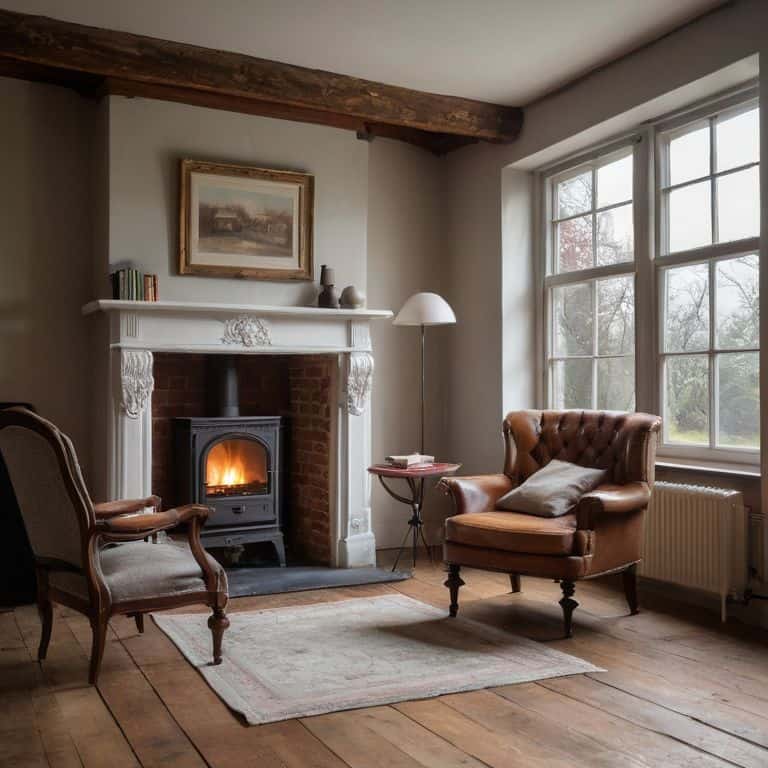
As I delve into the world of historic homes, I’m reminded of the importance of blending past and present. When it comes to heating these timeless abodes, I believe in embracing passive house heating systems that not only reduce our carbon footprint but also preserve the original charm of the home. My experience with restoring vintage furniture has taught me that it’s all about finding a balance between old and new, and this principle applies perfectly to heating systems as well.
I’ve had the pleasure of working with clients who own historic homes, and one of the most effective ways to heat these spaces is by installing infrared heating panels. These panels are not only efficient but also discreet, allowing us to maintain the aesthetic integrity of the home. By incorporating such modern heating solutions, we can ensure that our historic homes remain warm and inviting without compromising their unique character.
In my quest to create cozy and sustainable living spaces, I’ve also explored the benefits of geothermal energy for homes. This renewable energy source has the potential to significantly reduce our reliance on fossil fuels, making it an attractive option for those seeking to minimize their environmental impact. By embracing such innovative heating solutions, we can breathe new life into our historic homes while also contributing to a more sustainable future.
Infrared Heating Panel Benefits Unveiled
As I delve into the world of energy-efficient heating solutions, I find myself drawn to the elegance of infrared heating panels. These sleek and modern designs not only complement the rustic charm of historic homes but also provide a unique blend of form and function. I recall restoring a vintage armchair, which I named “Hemingway,” and imagining it nestled in a cozy room warmed by the gentle glow of infrared heat.
The benefits of infrared heating panels are multifaceted, with silent operation being a notable advantage. This feature allows the panels to blend seamlessly into the background, much like the subtle character of a well-restored antique, such as my prized “Churchill” bookshelf.
Passive House Heating Systems Harmony
As I delve into the world of energy-efficient heating solutions, I find myself drawn to passive house heating systems, which seem to whisper tales of a bygone era. There’s something inherently nostalgic about the idea of harnessing natural heat from the sun and the earth to warm our homes. I recall restoring a vintage armchair, which I named “Emerson” after the great American essayist, and imagining it nestled in a cozy, passive house living room.
In my experience, optimal insulation is key to creating a harmonious balance between historic charm and modern efficiency. By carefully selecting materials and designing the layout of a room, I can ensure that the warmth generated by a passive house heating system is retained, much like the stories and character of a beautifully restored piece of furniture, such as my beloved “Hemingway” desk.
Energy Efficient Heating Solutions
As I delve into the world of heating solutions, I find myself drawn to the passive house heating systems that seamlessly blend into the historic charm of old homes. These systems, with their focus on insulation and airtight construction, allow for a more efficient use of heat, reducing the need for excessive energy consumption. I recall a project where I incorporated a _radiant floor heating_ system, which not only provided a cozy warmth but also became a unique design element in the room.
In my experience, _infrared heating panel benefits_ are numerous, particularly in rooms with high ceilings or large windows. These panels can be discreetly installed, providing a gentle warmth that doesn’t overwhelm the space. I’ve named one of my restored furniture pieces, a beautifully crafted vintage armchair, “Napoleon” – it sits proudly in a room heated by one of these panels, creating a sense of comfort and elegance.
When exploring options for clients, I often consider geothermal energy for homes, which leverages the earth’s natural heat to provide a sustainable and efficient heating solution. This approach not only reduces reliance on fossil fuels but also creates a unique opportunity for historic homes to embrace modern innovation while maintaining their character. As I continue to restore and design, I’m excited to see how these solutions can be woven into the fabric of our built heritage.
Geothermal Energy for Homes Explained
As I delve into the world of sustainable heating, I find myself drawn to geothermal energy, a solution that whispers tales of innovation and eco-friendliness. It’s a method that harnesses the natural warmth of the earth, providing a consistent and reliable source of heat. I recall the first time I saw a geothermal system in action, at a historic home restoration project, where the seamless integration of this technology with the vintage architecture was truly impressive.
The beauty of geothermal energy lies in its efficiency, allowing homes to reduce their carbon footprint significantly. This eco-friendly approach resonates deeply with my passion for preserving the past while embracing the future. By leveraging the earth’s thermal energy, homeowners can enjoy a warm and cozy living space, all while contributing to a more sustainable tomorrow.
High Efficiency Furnace Models Compared
As I delve into the world of high-efficiency furnace models, I’m reminded of the meticulous craftsmanship my grandfather applied to every piece of furniture he restored. Similarly, when comparing these models, it’s essential to consider the _energy savings_ they offer, as it can significantly impact the overall comfort and sustainability of a historic home.
I’ve had the pleasure of working with clients who’ve installed high-efficiency furnaces, and the results are truly remarkable. Not only do these systems provide a significant reduction in energy consumption, but they also ensure a consistent and reliable heating experience, making them an excellent choice for modern homesteads.
Warming Your Home, Wisely: 5 Essential Tips for Energy-Efficient Heating
- Opt for Zone Heating: Focus your heating on the rooms that need it most, rather than warming your entire home, to save energy and lower your bills
- Maintain Your System: Regularly servicing your heating system can improve its efficiency, reduce the risk of breakdowns, and prolong its lifespan
- Insulate and Seal: Proper insulation and sealing of any air leaks in your home can significantly reduce heat loss, making your heating system work more efficiently
- Invest in Smart Thermostats: These innovative devices can learn your schedule and preferences to optimize your heating, ensuring you’re only using energy when you need it
- Choose the Right Fuel: Consider the most energy-efficient fuel options for your heating needs, such as renewable energy sources or high-efficiency furnaces, to minimize your environmental impact and save on energy costs
Timeless Wisdom: 3 Key Takeaways
I’ve found that blending historic charm with modern energy-efficient heating solutions can not only reduce environmental impact but also preserve the unique character of vintage homes, much like my prized ‘Napoleon’ armchair, which I restored to its former glory
By embracing innovative heating systems like passive house designs and infrared panels, homeowners can significantly lower their energy consumption while maintaining a cozy, welcoming atmosphere that invites storytelling and memory-making
Whether it’s geothermal energy or high-efficiency furnace models, the future of heating is undoubtedly tied to sustainability, and as someone who names their furniture pieces after historical figures, I believe it’s our responsibility to ensure our homes, both old and new, are equipped to tell the tales of tomorrow
Warming the Past with Innovation
As we weave the tapestry of our homes with threads of history and modernity, energy-efficient heating solutions become the silent narrators of our quest for sustainability, whispering tales of a warmer, wiser future.
Michael Thompson
Embracing the Future of Heating
As I reflect on the journey through energy-efficient heating solutions, it’s clear that the path to a warmer, more sustainable home is paved with a variety of innovative approaches. From the passive house heating systems that blend seamlessly into historic homes, to the cutting-edge technology of infrared heating panels, each solution offers a unique blend of efficiency and elegance. By embracing these modern heating solutions, we not only reduce our environmental footprint but also breathe new life into the spaces that tell our stories.
As we move forward, let’s not forget the essence of what makes a house a home – the stories, the memories, and the timeless character that only comes from embracing our past while stepping into the future. By choosing energy-efficient heating solutions, we’re not just warming our homes; we’re weaving a tapestry of sustainability and heritage that will inspire generations to come. In the end, it’s not just about the heating solutions we choose, but about the kind of world we want to create – one that is warm, welcoming, and wise.
Frequently Asked Questions
How can I determine the most energy-efficient heating solution for my historic home without compromising its original character?
To preserve your historic home’s character, I recommend assessing its unique needs and architecture. Consider factors like insulation, window efficiency, and existing heating systems. For my client’s 19th-century Victorian, I installed a discreet, high-efficiency radiator that blended seamlessly with the original decor, much like my restored “Napoleon” armchair, which now warms the heart of their parlor.
What are the potential cost savings of installing a geothermal energy system compared to traditional heating methods?
I’ve seen clients save up to 50% on heating bills by switching to geothermal energy systems, compared to traditional methods. My ‘Napoleon’ – a beautifully restored vintage armchair – sits proudly in a home that made this very switch, and the owners couldn’t be happier with the cost savings and cozy warmth it brings.
Can infrared heating panels be used in conjunction with other energy-efficient heating solutions to achieve optimal warmth and efficiency?
I’ve found that pairing infrared heating panels with other solutions, like geothermal systems or high-efficiency furnaces, can create a harmonious balance of warmth and efficiency. In my own restoration projects, I’ve seen how this blend can bring historic homes into the modern era, all while honoring their original character.