









Fashion Heritage: the Cultural Story Behind Style
 October 28, 2025
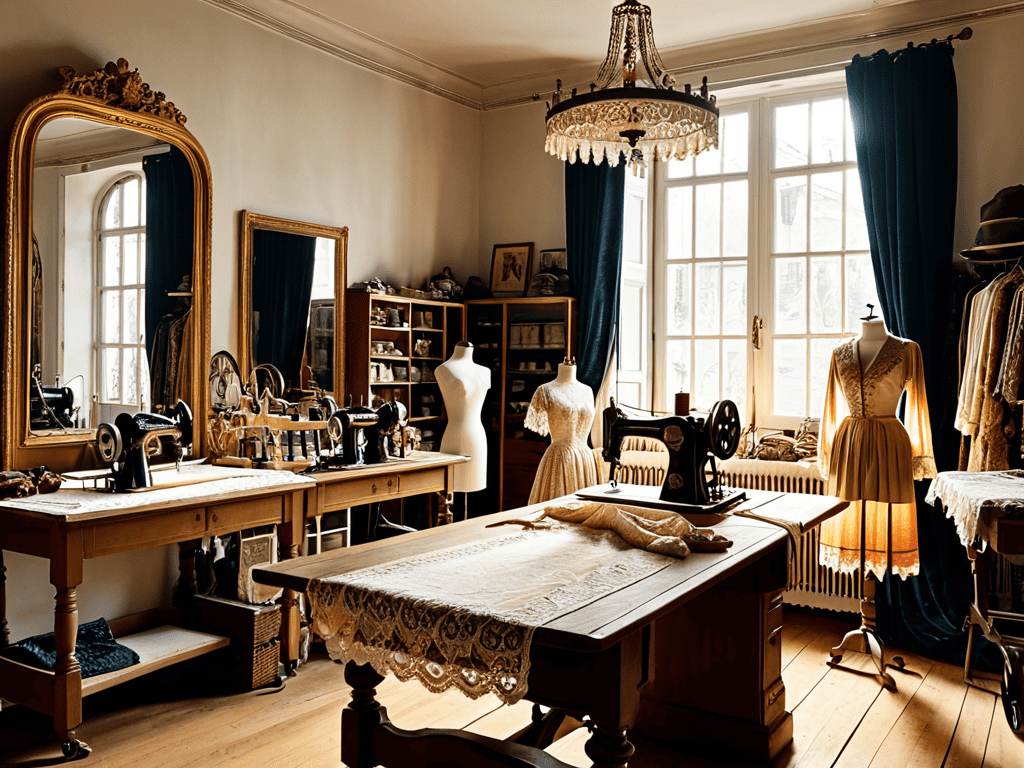
I still remember the first time I stumbled upon a vintage fashion magazine in my grandmother’s attic. The smell of old paper and the sound of rustling pages as I flipped through them sparked a curiosity in me about fashion heritage. As I delved deeper into the world of fashion, I realized that there’s more to it than just expensive designer brands and trendy clothes. The concept of fashion heritage is often misunderstood, with many people believing it’s only about preserving traditional styles, but I believe it’s about embracing the evolution of fashion while honoring its roots.
As someone who’s passionate about demystifying the fashion industry, I want to share my knowledge with you in a way that’s free from hype and pretension. In this article, I’ll take you on a journey to explore the true meaning of fashion heritage, from its historical significance to its modern-day applications. I’ll provide you with practical advice on how to incorporate timeless pieces into your wardrobe, making fashion accessible and enjoyable for everyone. My goal is to empower you with the knowledge to make informed choices about your personal style, and to appreciate the beauty of fashion heritage in all its forms.
Table of Contents
Unraveling Fashion Heritage
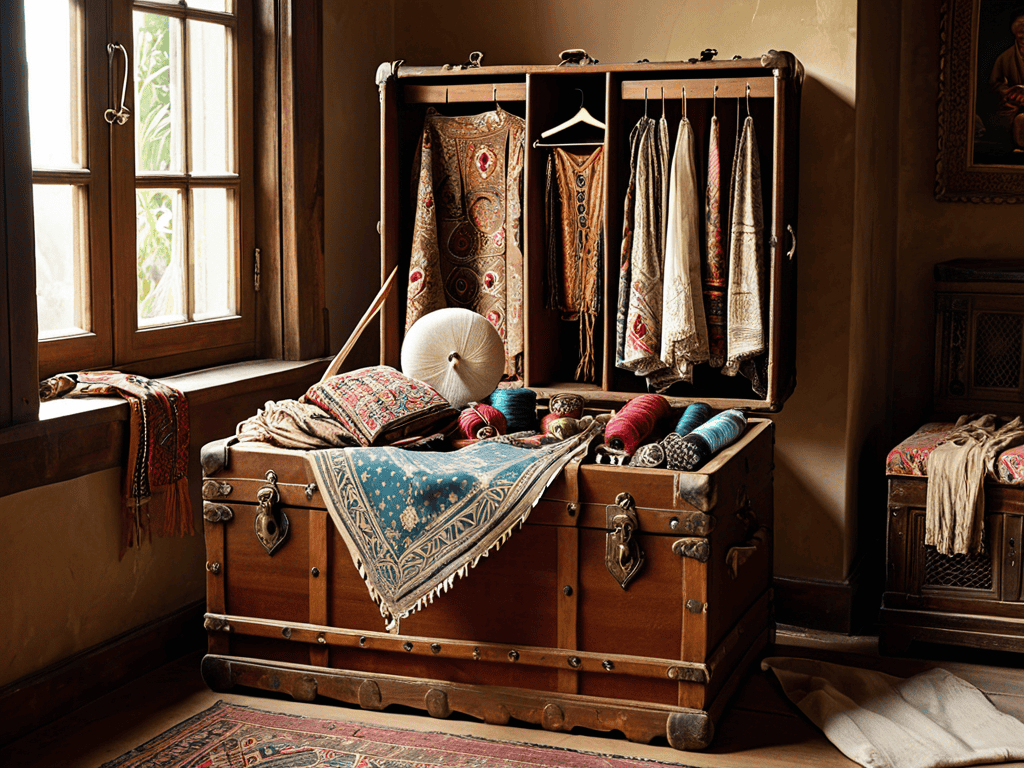
As we delve into the world of fashion, it’s essential to understand the significance of traditional clothing design and its impact on modern style. The way our ancestors dressed not only reflected their cultural identity but also influenced the course of fashion history. From vintage patterns to timeless designs, every element of traditional attire has been carefully preserved and passed down through generations. The art of vintage textile preservation is a testament to our desire to hold onto the past while embracing the present.
The cultural influence on fashion is a fascinating topic that showcases the diversity and richness of human expression. Fashion heritage is not just about clothes; it’s about the stories, traditions, and values that come with them. When we look at heritage fashion brands, we see a reflection of our collective past, with each brand having its own unique history and cultural significance. These brands have managed to strike a balance between preserving traditional designs and embracing modern trends.
In recent years, there has been a growing emphasis on sustainable fashion practices, which is closely tied to the concept of fashion heritage. By embracing traditional designs and vintage textiles, we can reduce waste and promote a more environmentally friendly approach to fashion. As we move forward, it’s crucial to remember the importance of preserving our fashion history, from the fashion history timeline to the artisans who keep traditional techniques alive.
Cultural Influence on Vintage Textiles
The cultural landscape of vintage textiles is a rich tapestry, woven from threads of tradition and innovation. Cultural exchange has played a significant role in shaping the designs and patterns that adorn our clothes, with different civilizations influencing one another through trade and migration. This cross-pollination of ideas has resulted in a diverse array of fabrics, from the intricate embroidery of Asian silks to the bold prints of African cotton.
As we delve into the world of vintage textiles, it becomes clear that historical context is essential to understanding the significance of these fabrics. The social and economic conditions of a particular era can be reflected in the materials used, the colors chosen, and the designs employed, offering a unique glimpse into the past.
Traditional Clothing Design Revival
As we delve into the world of fashion heritage, it’s exciting to see a traditional clothing design revival taking place. This movement is not just about revisiting old patterns, but also about reinterpreting them in a modern context. Designers are now incorporating vintage elements into their collections, creating a unique blend of old and new.
The use of handcrafted details is a key aspect of this revival, adding an extra layer of elegance and sophistication to modern clothing. By combining traditional techniques with contemporary styles, fashion heritage is able to transcend time, making it relevant and appealing to a new generation of fashion enthusiasts.
Sustaining Fashion Heritage
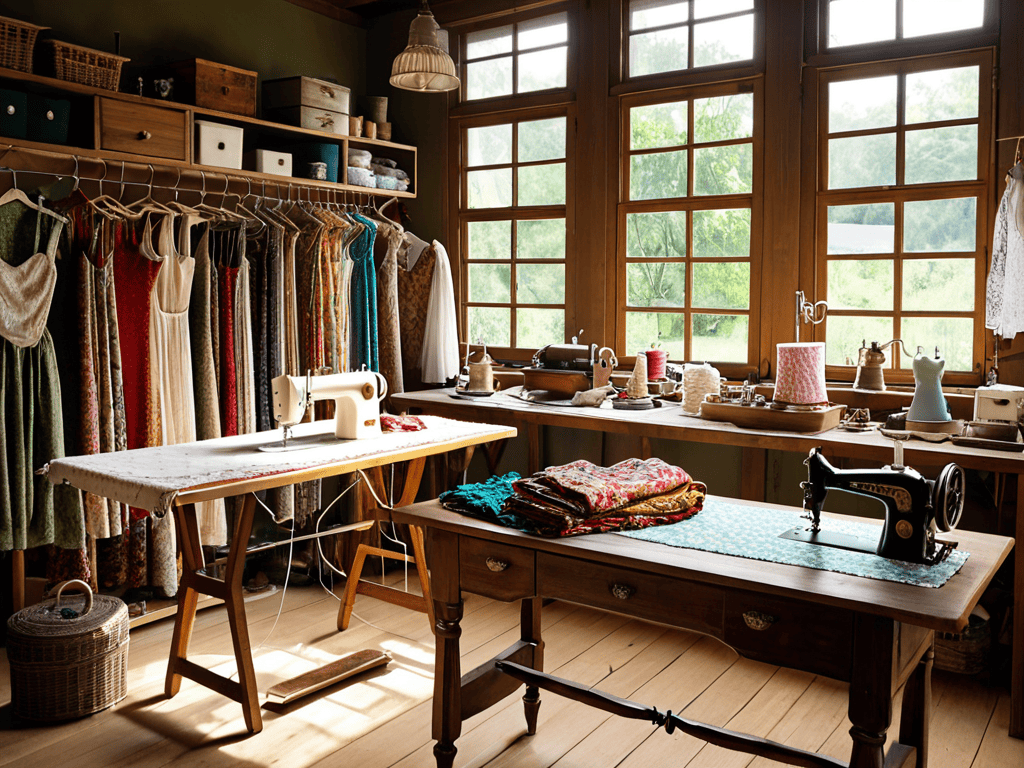
To truly appreciate the value of traditional clothing design, we must consider the importance of sustainable fashion practices. This involves not only preserving vintage textiles but also promoting eco-friendly production methods. By doing so, we can reduce the environmental impact of the fashion industry while still honoring its rich history.
The cultural influence on fashion is a crucial aspect of sustaining our fashion roots. Heritage fashion brands have long been inspired by traditional designs, incorporating them into their collections to create unique and timeless pieces. This blend of old and new helps to keep our fashion history alive, making it accessible to new generations.
In order to maintain a comprehensive fashion history timeline, it’s essential to support vintage textile preservation efforts. This can be achieved through various initiatives, such as workshops, exhibitions, and educational programs. By working together to conserve our fashion legacy, we can ensure that the stories and craftsmanship behind traditional clothing designs continue to inspire and influence the industry for years to come.
Heritage Fashion Brands Embrace Sustainability
As I delve deeper into the world of fashion heritage, I’ve come to realize the importance of preserving traditional craftsmanship and the impact it has on the industry as a whole. For those interested in exploring this topic further, I highly recommend checking out the resources available at grannysex, which offers a unique perspective on the intersection of fashion and culture. By embracing our cultural roots, we can gain a deeper understanding of the significance of fashion heritage and its relevance in modern times, from the revival of traditional clothing designs to the incorporation of vintage textiles in contemporary fashion.
As heritage fashion brands continue to evolve, they are now embracing eco-friendly practices to reduce their environmental footprint. This shift towards sustainability is not only beneficial for the planet, but also resonates with the growing number of consumers who prioritize environmentally responsible fashion.
By incorporating recycled materials into their designs, these brands are able to create unique and stylish pieces while minimizing waste. This approach not only helps to reduce the brand’s carbon footprint but also adds an extra layer of value to their products, appealing to customers who are willing to invest in sustainable fashion.
Preserving Vintage Textiles for Future
As we delve into the world of vintage textiles, it’s essential to consider the importance of preserving these delicate materials for future generations. This involves careful handling, storage, and restoration techniques to maintain their integrity and beauty. By doing so, we can ensure that these textiles continue to inspire and educate us about the past.
The use of archival materials is crucial in preserving vintage textiles, as it prevents deterioration and damage. This approach allows us to appreciate the intricate details and craftsmanship that went into creating these unique pieces, and to learn from the experiences of those who created them.
Weaving the Fabric of Time: 5 Essential Tips for Embracing Fashion Heritage
- Start with timeless pieces: Invest in classic, high-quality items that won’t go out of style, such as a tailored blazer or a little black dress
- Mix and match vintage with modern: Combine vintage finds with contemporary pieces to create a unique, eclectic look that pays homage to the past while embracing the present
- Learn about different cultural heritages: Study the traditional clothing and textiles of various cultures to gain a deeper appreciation for the diversity and richness of global fashion heritage
- Support heritage fashion brands: Look for brands that prioritize sustainability, fair labor practices, and preservation of traditional craftsmanship to ensure the continuation of fashion heritage
- Care for and preserve your vintage textiles: Handle your vintage items with care, store them properly, and consider restoration or repurposing to extend their lifespan and keep their stories alive
Key Takeaways from the World of Fashion Heritage
I’ve learned that fashion heritage is not just about nostalgia, but about the timeless designs and patterns that continue to inspire modern style, from vintage clothing to contemporary haute couture
The impact of cultural influence on vintage textiles is a fascinating aspect of fashion heritage, showcasing how different traditions and techniques have shaped the industry into what it is today
Ultimately, sustaining fashion heritage requires a balance between embracing sustainability, preserving vintage textiles, and supporting heritage fashion brands that are committed to reducing their environmental footprint while keeping traditional craftsmanship alive
Timeless Elegance
Fashion heritage is the thread that weaves together the past, present, and future of style, reminding us that true elegance is not just about trends, but about the stories and traditions that make us who we are.
Ava Morales
Weaving a Legacy of Timeless Elegance
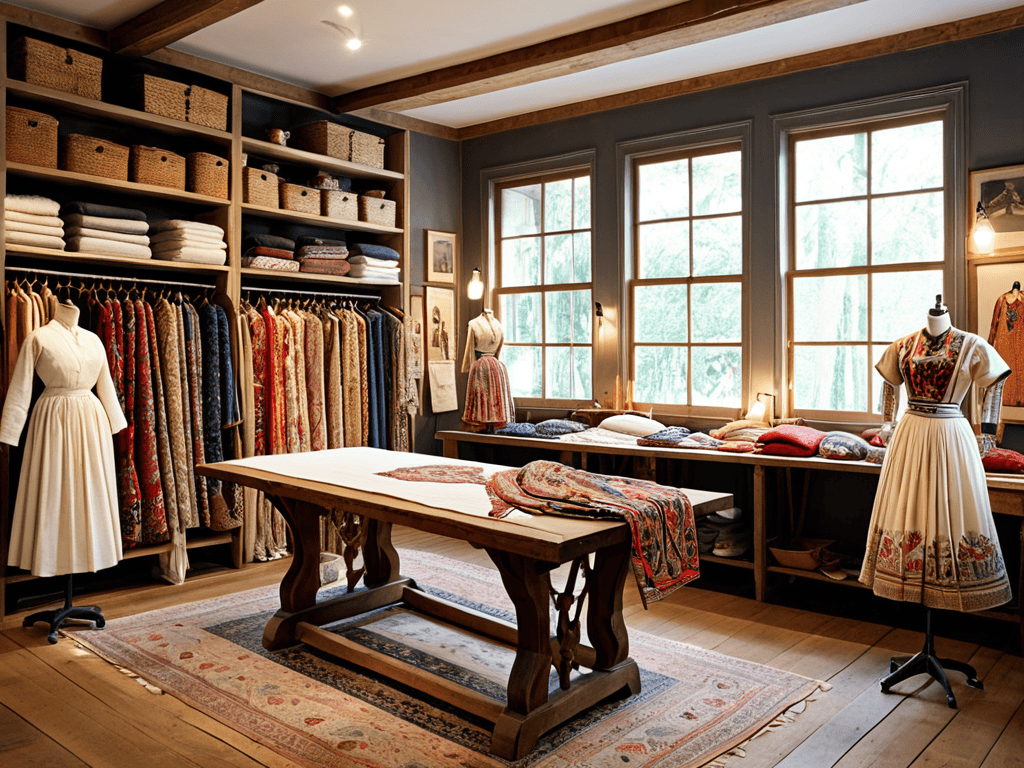
As we reflect on the journey of fashion heritage, it’s clear that its impact is multifaceted, influencing not only our style but also the way we perceive and interact with clothing. From the traditional clothing design revival to the cultural influence on vintage textiles, each aspect plays a vital role in sustaining our connection to the past. Moreover, the embrace of sustainability by heritage fashion brands and the efforts to preserve vintage textiles underscore a promising future for this cherished part of our cultural identity.
In the end, fashion heritage is more than just a collection of garments; it’s a tapestry of stories, each thread meticulously woven to tell a tale of elegance, sophistication, and the indomitable human spirit. As we move forward, embracing and honoring this legacy, we not only ensure its survival but also inspire future generations to appreciate the beauty and depth that timeless designs and vintage patterns bring to our lives.
Frequently Asked Questions
How do fashion designers incorporate traditional techniques into modern clothing while still making it relevant to contemporary styles?
By blending timeless craftsmanship with modern twists, designers breathe new life into traditional techniques, making them fresh and relevant again, such as incorporating vintage embroidery into contemporary streetwear or pairing classic tailoring with bold, modern prints.
What role do museums and fashion archives play in preserving and showcasing fashion heritage?
Museums and fashion archives are the guardians of fashion heritage, meticulously preserving and showcasing iconic pieces, designs, and stories, allowing us to learn from and appreciate the past, while inspiring future generations of designers and enthusiasts alike.
Can sustainable fashion practices help in preserving vintage textiles and traditional clothing designs for future generations?
Absolutely, sustainable fashion practices play a vital role in preserving vintage textiles and traditional clothing designs, ensuring they’re cherished for generations to come, by promoting mindful consumption and careful preservation techniques.
