








Mood Lighting Techniques for a Welcoming Home
 December 30, 2025
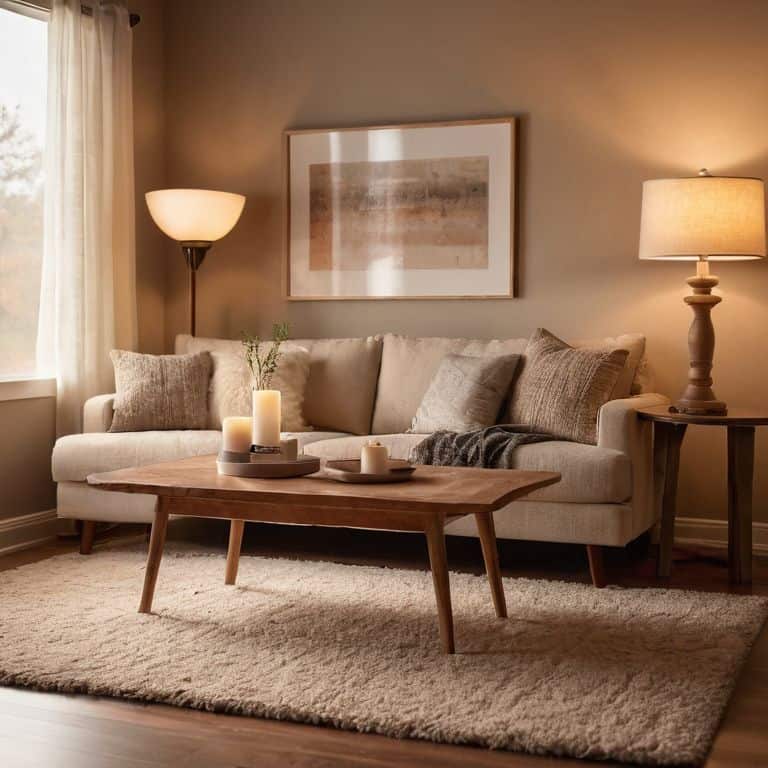
I still remember the first time I saw my grandfather transform a dimly lit room into a warm and inviting space using nothing but mood lighting techniques. It was as if he had uncovered a hidden secret, and from that moment on, I was hooked. The common myth that mood lighting is solely about creating a romantic ambiance is far from the truth – it’s about crafting an atmosphere that tells a story. For me, it’s about combining the elegance of the past with the comfort of the present, much like I do when I’m restoring vintage furniture pieces, like my beloved “Napoleon” armchair.
As I delve into the world of interior design, I’ve come to realize that mastering mood lighting techniques is an art that requires patience, experimentation, and a deep understanding of how light can shape our emotions. In this guide, I’ll share my personal approach to creating harmonious and meaningful spaces through light. You can expect practical advice on how to choose the right lighting fixtures, balance warm and cool tones, and create a sense of depth and texture in any room. My goal is to empower you with the knowledge to transform your own spaces, and to inspire you to see the beauty in the interplay between light, shadow, and history.
Table of Contents
- Guide Overview: What You'll Need
- Step-by-Step Instructions
- Mood Lighting Techniques
- Weaving Warmth: 5 Essential Mood Lighting Tips to Bring Your Space to Life
- Bringing the Past to Life: 3 Key Takeaways on Mood Lighting
- Illuminating Insights
- Illuminating the Path to Timeless Ambiance
- Frequently Asked Questions
Guide Overview: What You'll Need
Total Time: 1 hour 45 minutes
Estimated Cost: $20 – $40
Difficulty Level: Easy
Tools Required
- Ladder (sturdy, 6 feet tall)
- Drill (with screwdriver and drill bits)
- Pliers (needle-nose)
- Wire cutters (for cutting wire up to 14 gauge)
- Screwdriver (flathead and Phillips)
Supplies & Materials
- String lights (10 feet long, with 10 bulbs)
- LED light strips (16 feet long, self-adhesive)
- Dimmer switch (for 120 volts, single-pole)
- Power strip (6 outlets, 6 feet long cord)
- Extension cord (25 feet long, 16 gauge)
Step-by-Step Instructions
- 1. First, I start by assessing the natural light in the room, taking note of the placement of windows and how the sunlight filters in throughout the day. This initial step helps me understand the existing light dynamics and how I can complement them with artificial lighting to create a warm and inviting atmosphere.
- 2. Next, I consider the room’s purpose and the activities that will take place there, as this influences the type of lighting needed. For instance, a reading nook might require task lighting that is more focused, while a dining area might benefit from a combination of overhead and table lighting to create a warm ambiance.
- 3. To begin setting up the mood lighting, I select a mix of light sources, including table lamps, floor lamps, and string lights, which add a touch of nostalgic charm. The key is to layer different light levels to create depth and visual interest, ensuring that the space does not feel flat or one-dimensional.
- 4. I then choose the appropriate light bulb types, considering factors such as color temperature, brightness, and dimmability. For a vintage or historical feel, I often opt for bulbs with a warmer color temperature, as they evoke a sense of classic elegance and can make the space feel cozier.
- 5. With the light sources and bulbs selected, I move on to placing them strategically around the room. This involves considering the focal points in the space, such as a beautifully restored vintage piece of furniture, which I might highlight with a well-placed lamp or sconce to draw the eye and create a sense of drama.
- 6. To add an extra layer of ambiance, I experiment with dimming options, which allow for flexibility in adjusting the light levels to suit different moods or times of day. This might involve installing dimmer switches or using smart light bulbs that can be controlled remotely, providing a convenient way to change the lighting without having to physically adjust each fixture.
- 7. Finally, I step back and evaluate the overall effect of the mood lighting, making any necessary adjustments to achieve the perfect balance of light and shadow. This might involve tweaking the placement of lamps, adjusting the brightness of certain fixtures, or adding additional light sources to fill in any gaps, ensuring that the space feels warmly inviting and richly layered with light.
Mood Lighting Techniques
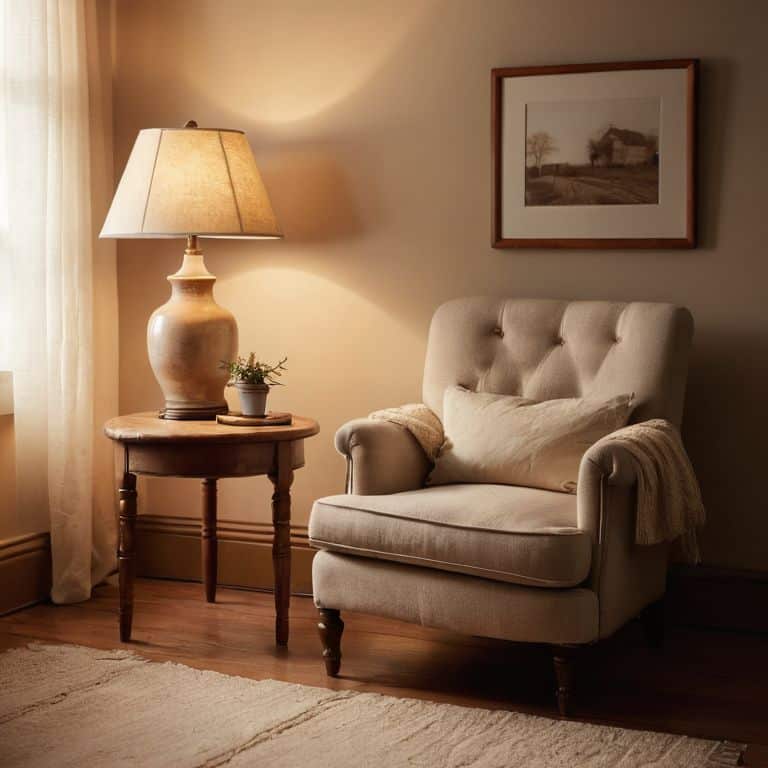
As I delve into the world of lighting, I find myself drawn to the art of layered lighting design. It’s a technique that allows me to create a sense of depth and visual interest in a room, much like the intricate stories my vintage furniture pieces whisper to me. By combining different light sources, I can craft an ambiance that’s both inviting and unique. For instance, I might pair a warm overhead light with soft, table lamp illumination to create a cozy atmosphere.
When it comes to setting the tone, I consider the color temperature for ambiance. A warm glow can evoke feelings of comfort and relaxation, while a cooler tone can stimulate the senses. I’ve found that dimming techniques for atmosphere can also make a significant difference. By adjusting the light levels, I can transform a room from a bright, daytime space to a warm, evening retreat. It’s all about finding the right balance to create a sense of harmony.
In my own home, I’ve experimented with led strip lighting ideas to add a touch of modernity to my vintage decor. I’ve placed strips under shelves or behind furniture to create a sense of depth and visual interest. The result is a space that feels both nostalgic and forward-thinking. Whether I’m working with smart lighting systems for homes or simple, traditional fixtures, my goal is always to craft an atmosphere that’s both beautiful and meaningful.
Layered Lighting Design for Ambiance
To create a truly immersive atmosphere, I always recommend a layered lighting design. This involves combining different light sources to achieve a rich, nuanced ambiance. For instance, I might pair the warm glow of table lamps, like my beloved “Napoleon” lamp, with the soft, ethereal light of string bulbs. By layering these different elements, you can craft a space that feels both historic and harmonious.
This approach allows you to adjust the lighting to suit various moods and activities, much like my “Cleopatra” chandelier, which can be dimmed to create an intimate setting or brightened to illuminate a lively gathering.
Smart Systems for Color Temperature Harmony
As I delve into the world of mood lighting, I find myself enamored with smart systems that can seamlessly adjust color temperatures to create harmony within a space. I’ve had the pleasure of working with clients who’ve installed these innovative systems in their homes, and the result is nothing short of enchanting. With the ability to shift from warm, golden tones to cool, crisp hues, these systems allow me to craft an ambiance that’s not only nostalgic but also forward-thinking.
I recall a particular project where I restored a vintage armchair, which I fondly named “Hemingway,” and placed it in a room with a smart lighting system. As the color temperature adjusted to a warm glow, the entire space was transformed, and “Hemingway” seemed to come alive, exuding a sense of character and history that was simply captivating.
Weaving Warmth: 5 Essential Mood Lighting Tips to Bring Your Space to Life
- I’ve found that using table lamps with unique, vintage-inspired shades can add a touch of nostalgia to any room, especially when paired with my prized ‘Marie Antoinette’ armchair
- Dimmable LED bulbs are a game-changer for creating ambiance – I like to think of them as the ‘time-traveling’ solution for my vintage renovation projects, allowing me to dial in the perfect glow
- Layering string lights, candles, and floor lamps can evoke the warm, golden glow of a bygone era, much like the soft light that danced across the walls of my grandfather’s workshop
- To achieve the perfect balance of warmth and brightness, I always consider the 60-30-10 rule: 60% of the room’s light comes from a central source, 30% from secondary sources, and 10% from accent lighting – it’s a formula that never fails to impress, just like my meticulously restored ‘Hemingway’ desk
- Experimenting with color temperatures, from the warm, cozy tones of vintage bulbs to the cool, modern hues of smart LEDs, can completely transform the atmosphere of a room – I like to think of it as giving my furniture pieces, like ‘Frida’, a new voice to tell their stories
Bringing the Past to Life: 3 Key Takeaways on Mood Lighting
I’ve found that mastering mood lighting is all about evoking emotions and telling a story – it’s not just about brightness, but about crafting an atmosphere that whispers tales of the past
By layering different light sources and playing with color temperatures, I can create a sense of depth and history in a room, making even the most modern spaces feel like they’ve been plucked straight from a bygone era
Whether it’s the warm glow of a vintage lamp or the soft luminescence of a smart LED system, the right mood lighting can transport you to another time and place – and that’s what makes it such a powerful tool in my quest to blend past and present in every interior I design
Illuminating Insights
Mood lighting is not just about casting a warm glow; it’s about crafting an atmosphere that whispers stories of the past while beckoning the future, a gentle Dance of light and shadow that awakens the soul of a space.
Michael Thompson
Illuminating the Path to Timeless Ambiance
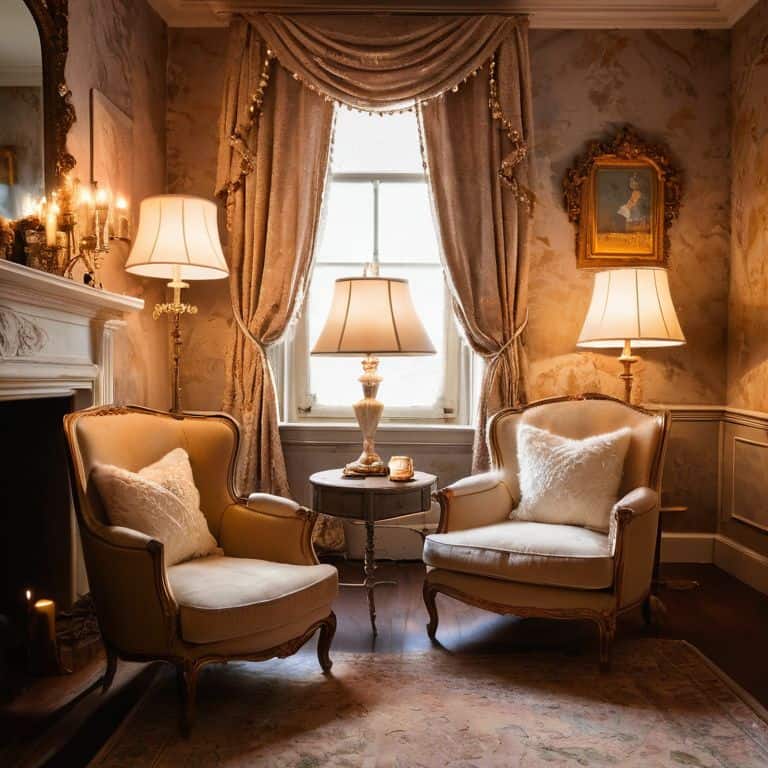
As I reflect on the mood lighting techniques we’ve explored, it’s clear that the art of ambiance is not just about functionality, but about crafting an experience that whispers stories of the past while embracing the elegance of the present. By mastering layered lighting design and incorporating smart systems for color temperature harmony, we can transform any space into a sanctuary that not only looks beautiful but also feels meaningful. Whether you’re restoring a vintage piece, like my beloved ‘Marie Antoinette’ armchair, or designing a new room from scratch, the key is to balance light and shadow in a way that echoes with the voices of history.
As you embark on your own journey to illuminate the past and inspire the future, remember that every flicker of light is an opportunity to weave a new narrative into the fabric of your home. Don’t be afraid to experiment, to push the boundaries of what’s possible, and to let your unique character shine through in the timeless ambiance you create. For in the end, it’s not just about the light itself, but about the memories we make in the warm, golden glow of our carefully crafted spaces.
Frequently Asked Questions
How can I balance mood lighting with the need for task lighting in a room?
For me, it’s all about striking a balance between ambiance and functionality – I like to think of it as ‘layering’ light. I achieve this by combining dimmable mood lights with focused task lights, like table lamps or under-cabinet lighting, to create a harmonious blend that caters to both relaxation and productivity, much like my beloved ‘Napoleon’ armchair, which I restored to perfection.
What are some common mistakes to avoid when implementing mood lighting in a vintage renovation project?
When it comes to mood lighting in vintage renovations, I’ve found that common mistakes include over-reliance on harsh overhead lighting and neglecting to consider the era-specific color temperatures that can make or break a space’s ambiance – like using cool tones in a warm, rustic setting, it’s a pet peeve of mine, and one that can easily be avoided with a little research and planning.
Can smart lighting systems be integrated with traditional or vintage fixtures to achieve a harmonious ambiance?
I’ve successfully integrated smart lighting systems with vintage fixtures in many of my projects, like my beloved “Napoleon” chandelier. By retrofitting traditional pieces with smart technology, I can adjust color temperatures and dimming levels to create a harmonious ambiance that respects the past while embracing innovation.