









Inviting Frogs and Toads: Creating a Water Habitat in Your Garden
 January 12, 2026
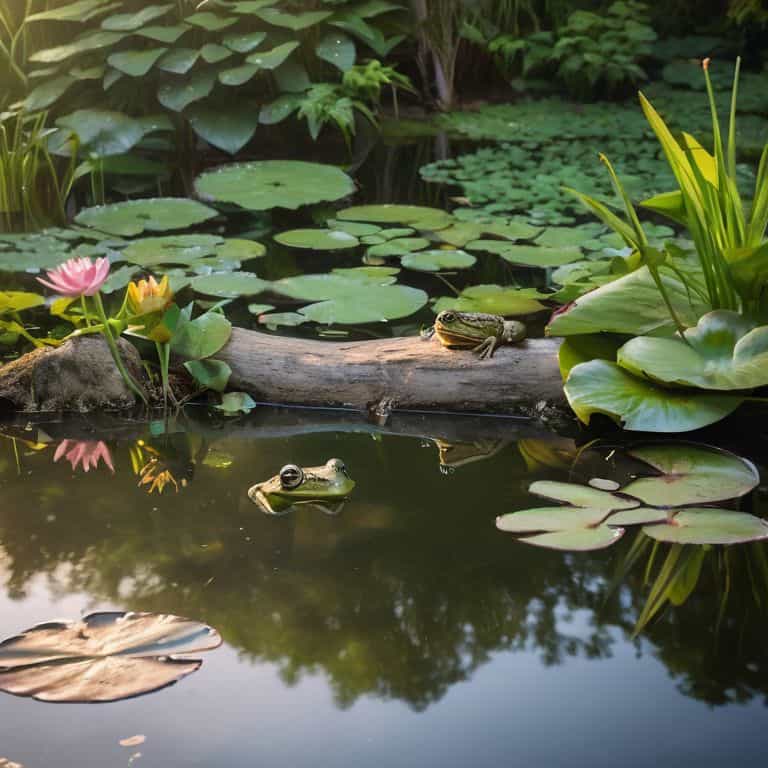
As I sit amidst my bonsai garden, surrounded by the soothing sounds of nature, I’m reminded of the countless times I’ve seen water habitat for frogs being created with more emphasis on aesthetics than functionality. It’s a pet peeve of mine, really – all those elaborate, expensive designs that neglect the simple needs of our amphibian friends. I recall a project where I was asked to design a serene oasis for a client, only to find that the existing water feature was more suited for a decorative fountain than a thriving ecosystem. It’s experiences like these that have taught me the importance of prioritizing the well-being of the creatures we’re trying to support.
In this article, I promise to share my hands-on experience and no-nonsense advice on crafting a water habitat for frogs that’s both beautiful and functional. I’ll guide you through the process of creating a natural sanctuary, one that mimics the frogs’ native environments and provides them with the necessary conditions to thrive. From choosing the right plants to maintaining the perfect water quality, I’ll cover it all – and I’ll do it in a way that’s easy to understand and implement, without any of the unnecessary complexity or expense that often comes with designing a water habitat for frogs.
Table of Contents
Water Habitat for Frogs
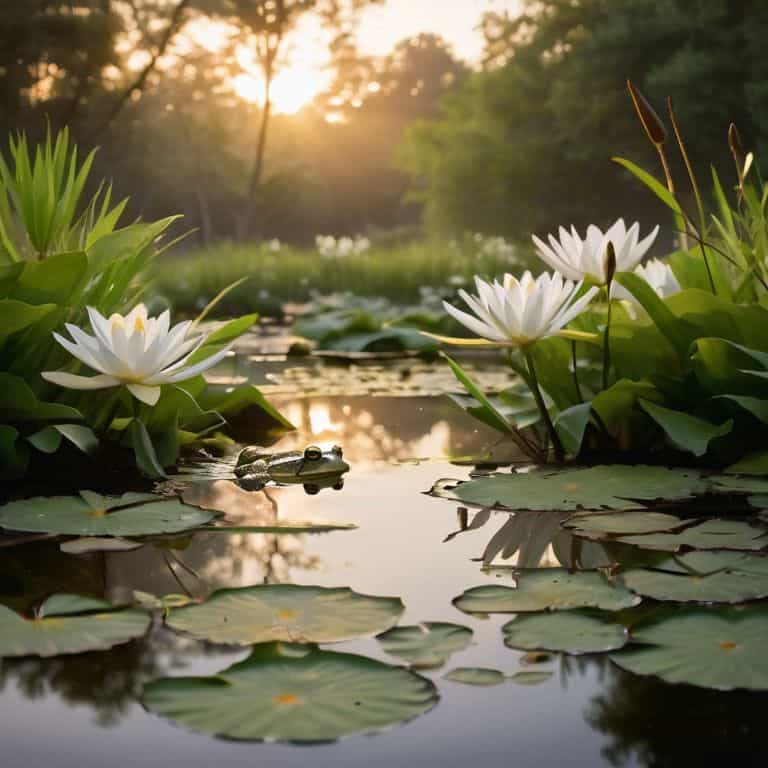
As I step into my backyard, I’m greeted by the sweet serenade of frogs, their melodies intertwining with the gentle rustle of native wetland plants. Creating a natural frog pond is an art that requires patience, dedication, and a deep understanding of these tiny creatures’ needs. I recall the days spent on my family’s organic farm, where my parents would lovingly tend to our pond, ensuring it remained a thriving ecosystem. Those memories now guide my hands as I craft serene sanctuaries for my amphibian friends.
When designing a backyard frog sanctuary, it’s essential to consider the types of frog friendly aquatic plants that will not only provide shelter but also help maintain a healthy balance. I’ve found that plants like water lilies and cattails are not only beautiful but also effective in keeping the ecosystem thriving. My trusty garden tool, Bertha the trowel, and I spend hours carefully selecting and planting these species, making sure to create a haven that’s both aesthetically pleasing and functional.
As I work, I often think about the importance of maintaining a healthy frog ecosystem. It’s a delicate dance between ensuring the pond remains clean and providing the necessary nutrients for the plants and frogs to flourish. I’ve learned that frog habitat restoration techniques can be as simple as introducing beneficial bacteria or as complex as redesigning the entire landscape. Whatever the approach, the end result is well worth the effort – a vibrant, thriving sanctuary that brings joy and peace to all who experience it.
Designing a Backyard Frog Sanctuary
As I sit amidst my bonsai garden, surrounded by the gentle hum of nature, I’m reminded of the importance of harmony in designing a backyard frog sanctuary. It’s not just about creating a water habitat, but about crafting an ecosystem that resonates with the natural world. I recall my trusty garden tool, “Terra,” a trowel that’s helped me plant countless native species, including those that provide shelter and food for our amphibian friends.
To bring this vision to life, consider layering your garden with a variety of textures and heights, from tall grasses to low-lying mosses. This will not only create a visually stunning landscape but also provide a thriving environment for frogs to explore and inhabit. As I work with my garden tools, I often chat with “Luna,” my pruning shears, about the importance of precision and patience in shaping our little corner of the world into a serene oasis.
Native Wetland Plants for Frog Homes
As I wander through the serene landscapes I’ve created, I often think about the importance of native plants in crafting a welcoming environment for our amphibian friends. In the context of a water habitat for frogs, incorporating plants that are indigenous to the region can make all the difference. My trusty trowel, Bertha, always seems to whisper words of encouragement as I gently place these plants into their new homes.
To create a thriving ecosystem, I recommend using shallow-water plants like cattails or water lilies, which provide the perfect spots for frogs to rest, hide, and hunt. As I prune and shape these plants with my scissors, Sheila, I imagine the frogs swimming and playing among the leaves and stems, their sweet songs filling the air.
Frog Friendly Ecosystems Thrive
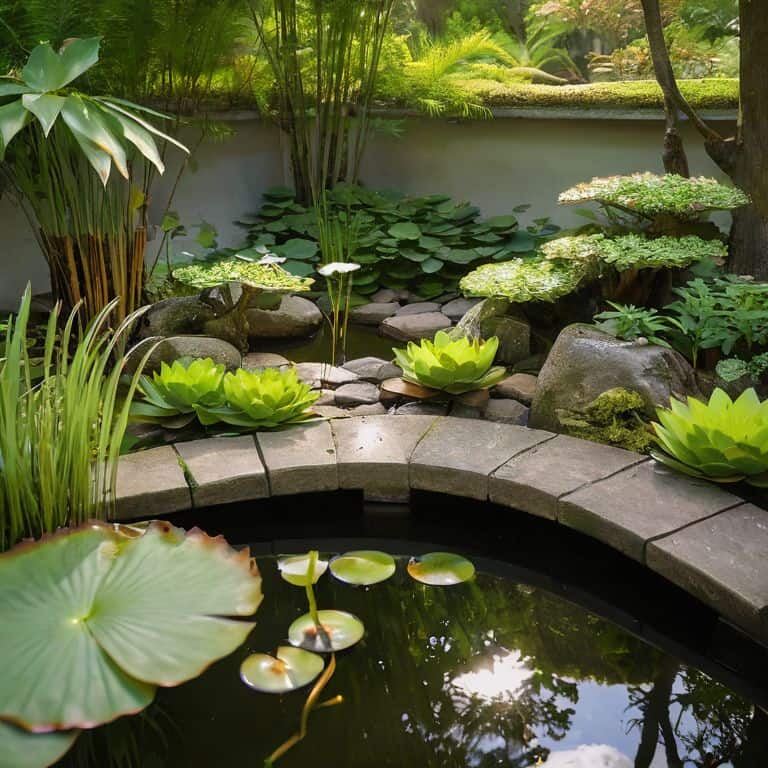
As I tend to my bonsai garden, I often think about the delicate balance of natural frog pond creation. It’s amazing how a small, well-designed ecosystem can thrive with the right combination of plants and features. I recall a project where I incorporated native wetland plants for frogs, which not only provided a haven for the amphibians but also added a touch of serenity to the overall landscape.
When designing a backyard frog sanctuary, it’s essential to consider the types of frog friendly aquatic plants that will flourish in the environment. Plants like water lilies and cattails are not only beautiful but also help maintain a healthy balance of oxygen and nutrients in the water. By choosing the right plants, you can create a thriving ecosystem that will attract a variety of frog species and other wildlife.
To ensure the long-term health of your frog ecosystem, it’s crucial to implement effective maintaining a healthy frog ecosystem strategies. This can include regular water quality checks, careful management of plant growth, and the introduction of beneficial insects to control pests. By taking a holistic approach to frog habitat restoration, you can create a vibrant and sustainable environment that will bring joy and wonder to your outdoor space for years to come.
Maintaining a Healthy Frog Ecosystem
As I tend to my own backyard sanctuary with the help of my trusty tools – including my favorite, a pruning shear I’ve named “Snippy” – I’ve learned that balance is crucial in maintaining a healthy ecosystem for our amphibian friends. Regularly monitoring water quality and ensuring a diverse range of native plants are present helps create a thriving environment.
To keep the ecosystem flourishing, it’s essential to minimize disruptions. This means avoiding sudden changes in water temperature or chemistry, and being mindful of the types of plants and materials introduced to the sanctuary. By doing so, we can create a serene and stable home for our frog friends, where they can thrive and entertain us with their enchanting melodies.
Natural Frog Pond Creation Tips
As I work on creating a natural frog pond, I find myself relying on my trusty garden tools, like my shovel, Bertha, and my rake, Rascal. I gently slope the land to ensure a gradual transition from water to land, allowing our amphibian friends to easily move in and out of the pond. This design also helps to prevent erosion and creates a natural habitat for the frogs.
When it comes to adding water features, I like to think about the serenity of nature, and how it can be replicated in our own backyards. I use rocks and plants to create a sense of calm, and to provide hiding spots for the frogs. My pruning shears, Priscilla, come in handy when shaping the plants to perfection, and my garden fork, Felix, helps me to mix in some organic matter to enrich the soil.
Ribbiting Retreats: 5 Key Tips for Creating a Thriving Water Habitat for Frogs
- Choose a location for your frog sanctuary that receives partial shade to full sun, depending on the species, and ensure it’s protected from strong winds and predators
- Select native wetland plants that provide shelter, food, and breeding grounds for your amphibian friends, such as cattails, water lilies, or horsetails
- Design a naturalistic pond with a mix of shallow and deep areas, including rocks, logs, and aquatic plants, to mimic the frogs’ natural habitat and provide ample opportunities for exploration
- Maintain a healthy ecosystem by avoiding the use of pesticides, fertilizers, and other chemicals, and instead adopt a natural approach to pond management, such as introducing beneficial insects or using compost to fertilize your plants
- Monitor and maintain the water quality of your pond by regularly testing the pH, ammonia, and nitrite levels, and perform partial water changes as needed to keep your frog friends happy and healthy
Key Takeaways for Creating a Thriving Water Habitat
By incorporating native wetland plants and thoughtful design, you can craft a serene backyard sanctuary that attracts and supports local frog populations, ultimately contributing to a healthier ecosystem
Implementing natural frog pond creation tips, such as using natural materials and mimicking the frogs’ native habitats, can help you create a thriving ecosystem that fosters biodiversity and tranquility
Regular maintenance, including monitoring water quality and maintaining a balanced ecosystem, is crucial for ensuring the long-term health and happiness of your amphibian friends and the overall success of your water habitat for frogs
Embracing Serenity
As we craft water habitats for frogs, we’re not just building homes, we’re composing symphonies of life, where every plant, every rock, and every droplet of water plays a vital role in the grand orchestra of nature.
Dylan Thompson
Creating a Thriving Oasis for Our Amphibian Friends
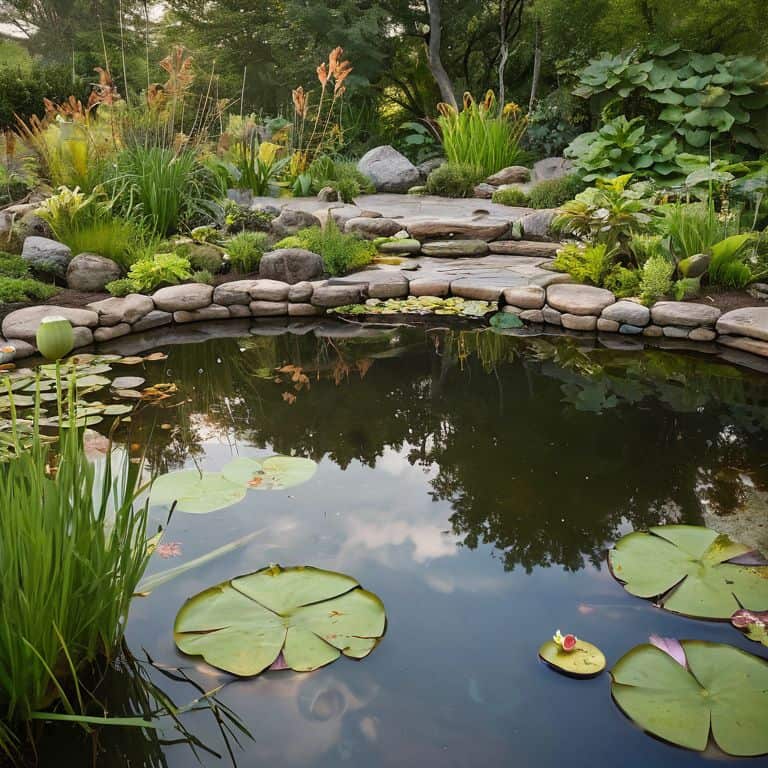
As we conclude our journey into creating a serene water habitat for frogs, let’s recap the essential elements that bring this ecosystem to life. From selecting the right native wetland plants to designing a backyard frog sanctuary, and from natural frog pond creation tips to maintaining a healthy frog ecosystem, each step is crucial in crafting a haven where these creatures can thrive. By embracing the principles of ecological garden design and weaving them into our daily lives, we not only create a biodiverse oasis but also contribute to the preservation of our planet’s precious natural balance.
As we embark on this green journey, remember that every small step counts, and every garden, no matter how big or small, has the potential to become a vibrant ecosystem. Let’s nurture these sanctuaries of peace with love, care, and a deep appreciation for the natural world, inspiring a future where humans and frogs can coexist in perfect harmony, surrounded by the beauty and wonder of nature.
Frequently Asked Questions
What are the essential water quality parameters to monitor in a frog habitat to ensure the health and well-being of the amphibians?
To keep our frog friends thriving, I always remind myself to monitor water quality parameters like pH, ammonia, and nitrite levels – my trusty tool, “Philly the pH meter,” helps me stay on top of it. Regular checks ensure the water remains clean and healthy, just like the ponds I’ve hiked to in Oregon’s wilderness.
How can I create a diverse and thriving ecosystem in my backyard frog sanctuary, complete with native plants and a balanced food chain?
To create a thriving ecosystem, I recommend introducing native plants like cattails and water lilies, which provide shelter and food for frogs. My trusty tool, ‘Pruning Pam,’ helps me shape these plants to perfection. Additionally, incorporating a balanced food chain with insects and small invertebrates will help maintain a healthy environment, allowing your frog friends to flourish in their new home.
What are some common mistakes to avoid when designing and maintaining a water habitat for frogs, and how can I troubleshoot issues like algae overgrowth or predator invasion?
As I ponder the pitfalls of pond-keeping with my trusty trowel, Bertha, by my side, I’m reminded to beware of overfeeding, which can lead to algae overgrowth, and to ensure proper pond depth to deter predators – simple yet crucial considerations for a thriving frog sanctuary.