






Kitchen Organization Hacks for Stress-free Family Meals
 January 20, 2026
I still remember the day I decided to tackle my grandmother’s kitchen, which was in desperate need of some kitchen organization hacks. The space was cluttered, with utensils and gadgets scattered everywhere, making it difficult to cook a simple meal. As I began to sort through the chaos, I realized that the key to a functional kitchen wasn’t about having the latest gadgets or a plethora of storage solutions, but rather about creating a space that _breathes_ and allows for a seamless cooking experience. This experience taught me that effective kitchen organization is not just about aesthetics, but about _harmony_ and functionality.
As I share my own journey of transforming kitchens into warm and inviting hubs, I want to assure you that this article will provide you with practical advice on how to implement _simple yet effective_ kitchen organization hacks. You won’t find any fancy or expensive solutions here, just honest, no-hype tips that will help you create a kitchen that _works for you_. From clever storage solutions to mindful decluttering, I’ll guide you through the process of turning your kitchen into a space that inspires creativity and warmth. By the end of this article, you’ll be equipped with the knowledge to transform your kitchen into a haven that’s perfect for cooking, sharing, and making memories.
Table of Contents
- Guide Overview: What You'll Need
- Step-by-Step Instructions
- Unveiling Kitchen Organization Hacks
- Timeless Touches: 5 Kitchen Organization Hacks to Warm Your Heart
- Timeless Kitchen Organization Essentials
- Timeless Wisdom for the Heart of the Home
- Timeless Harmony in the Kitchen
- Frequently Asked Questions
Guide Overview: What You'll Need
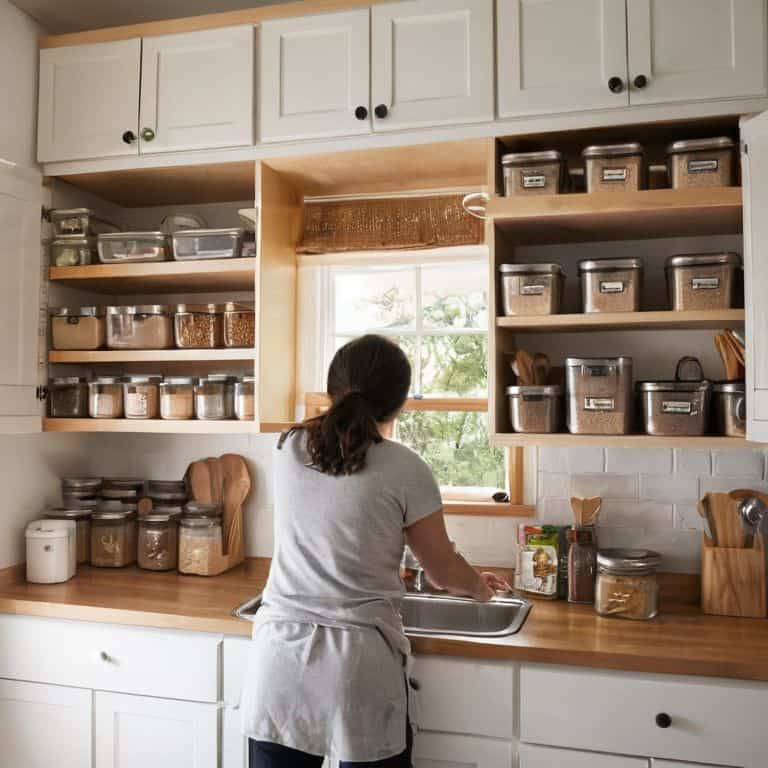
Total Time: 2 hours 30 minutes
Estimated Cost: $50 – $100
Difficulty Level: Intermediate
Tools Required
- Drill (with screwdriver and drill bits)
- Tape Measure
- Level
- Pencil (for marking walls and surfaces)
- Utility Knife (with extra blades)
Supplies & Materials
- Shelves (adjustable to fit your space)
- Stackable Containers (for food, spices, or kitchen utensils)
- Adhesive Hooks (for hanging items like pots, pans, or utensils)
- 2-in x 4-in lumber (for building custom shelves or dividers)
- Pegboard (for hanging frequently used items)
Step-by-Step Instructions
- 1. First, let’s start by purging the clutter that’s accumulated in our kitchens over time. I like to think of this step as giving my kitchen a fresh canvas, much like when I’m restoring a vintage piece of furniture, like my beloved “Marie Antoinette” dresser. Begin by taking everything out of your cabinets and drawers, and sort items into three piles: keep, donate/sell, and discard. Be ruthless about getting rid of items that are broken, expired, or no longer serve a purpose.
- 2. Next, we need to categorize and group similar items together. This will make it easier to decide where to store them and ensure that they’re easily accessible when we need them. For example, I like to store all my baking supplies, including flour, sugar, and baking powder, in a designated “baking station” near my mixer, which I’ve named “Napoleon” due to its sturdy and reliable nature. Consider using labels and signs to identify what’s inside each cabinet or drawer.
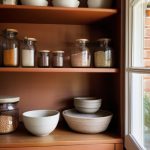
- 3. Now it’s time to assign a home for each item. This means designating a specific place where each item will be stored, making it easy to find and put back when you’re done using it. I find that using a combination of open shelving and closed cabinets helps to create a sense of visual balance in the kitchen. For instance, I display my favorite vintage cookbooks and decorative items on open shelves, while storing less aesthetically pleasing items, like cleaning supplies, in closed cabinets.
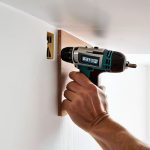
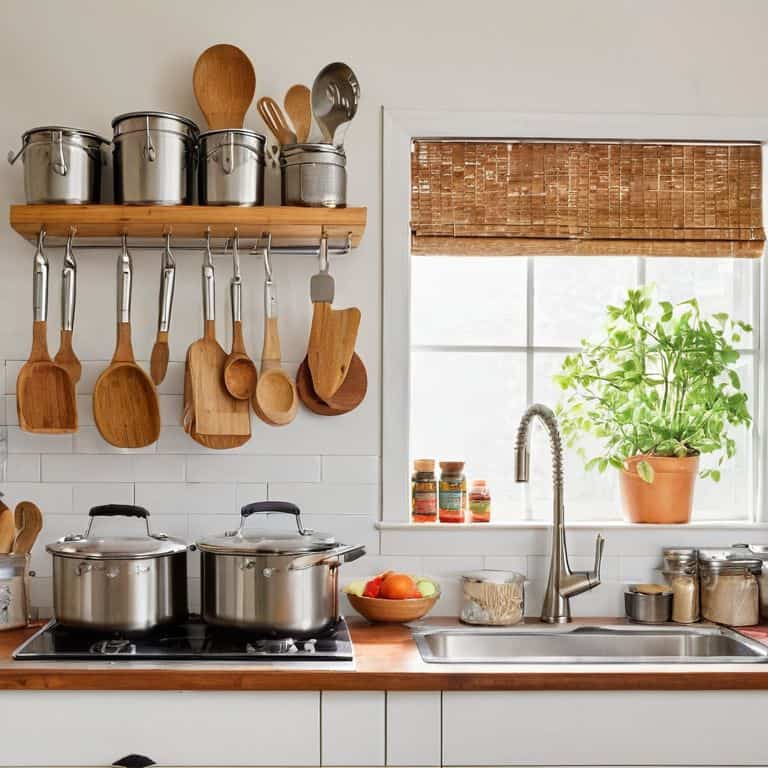
- 4. To maximize storage space, consider installing shelves or a pegboard on a wall or the back of a door. This is a great way to store frequently used items, like pots and pans, utensils, or spices, keeping them within easy reach. I’ve used this technique in many of my restoration projects, including my “George Washington” kitchen renovation, where we installed a pegboard to hang cooking utensils and pots.
- 5. Another key aspect of kitchen organization is creating a maintenance routine. Set aside some time each week to tidy up and maintain your kitchen’s organization system. This could be as simple as wiping down the counters, putting away dishes, or replenishing supplies. I like to think of this step as giving my kitchen a regular “dusting,” much like I do with my vintage furniture pieces, to keep them looking their best.
- 6. In addition to these physical organizational systems, I also recommend implementing a “landing strip” near the entrance of your kitchen. This could be a small tray or dish where you can place keys, mail, and other items that tend to clutter up the countertops. I’ve found that having a designated spot for these items helps keep the rest of the kitchen clutter-free and makes it easier to focus on cooking and spending time with loved ones.
- 7. Finally, don’t forget to make the most of your kitchen’s vertical space. Consider using wall-mounted pots and pans racks, or installing a ceiling-mounted shelf for infrequently used items, like special occasion dishes or cookbooks. By maximizing your kitchen’s storage potential, you’ll be able to keep your countertops clear and your kitchen feeling more spacious and inviting.
Unveiling Kitchen Organization Hacks
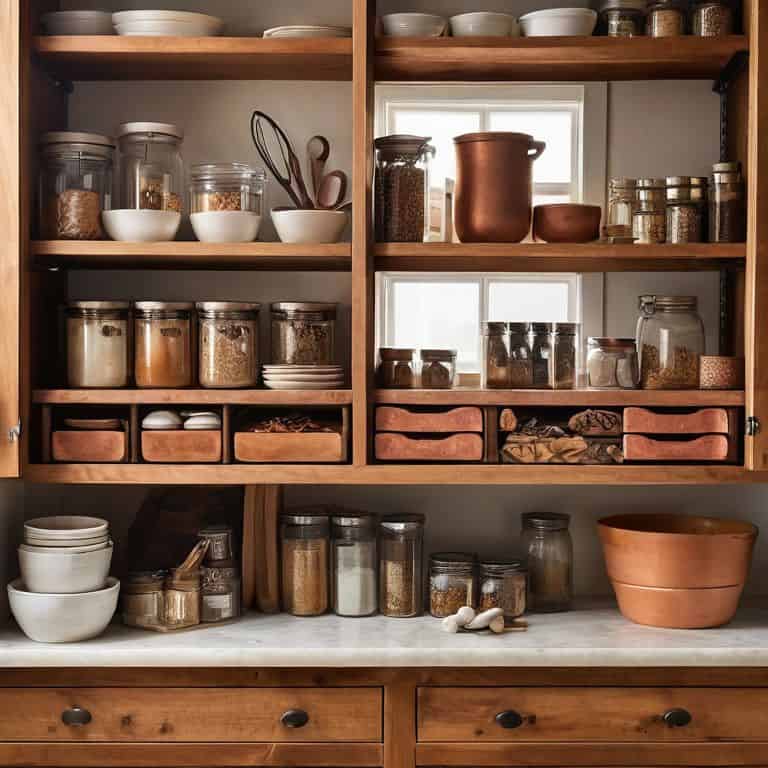
As I delve into the world of kitchen organization, I’m reminded of the importance of maximizing kitchen cabinet space. It’s astonishing how often a simple rearrangement of shelves or the addition of a few clever dividers can transform a cluttered kitchen into a haven of efficiency. I recall working on a project where we incorporated a custom utensil organizer that not only freed up counter space but also added a touch of rustic charm to the overall design.
When it comes to designing an optimal kitchen layout, it’s essential to consider the flow of traffic and the placement of frequently used items. By positioning everyday essentials in easy-to-reach locations, we can create a more streamlined cooking experience. I’ve found that efficient pantry organization systems can make a significant difference in maintaining a clutter-free kitchen. From adjustable shelves to door-mounted spice racks, the possibilities for customization are endless.
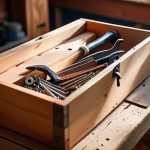
In my own workshop, I’ve been experimenting with creative kitchen counter storage solutions, including repurposed vintage containers and handmade wooden crates. These unique elements not only add character to the kitchen but also provide a functional way to store items like cooking oils, spices, and utensils. By embracing a mix of old and new, we can create kitchens that are both beautiful and functional, making the cooking experience a true joy.
Maximizing Cabinet Space With Timeless Elegance
As I delve into the world of kitchen organization, I’m reminded of my grandfather’s workshop, where every tool had its place. Similarly, maximizing cabinet space is an art that requires a thoughtful approach. I like to think of it as giving new life to vintage pieces, much like my beloved “Marie Antoinette” sideboard, which now proudly holds my client’s fine china. By installing adjustable shelves, baskets, and drawer dividers, we can create a harmonious balance between form and function.
This elegant solution not only keeps kitchen essentials within easy reach but also adds a touch of sophistication to the space. Just as a beautifully restored vintage chair can elevate a room, a well-organized cabinet can elevate the entire kitchen experience. By embracing timeless elegance, we can create kitchens that are not only efficient but also inviting and warm, perfect for making new memories with family and friends.
Optimal Layout Design for Efficient Kitchen Harmony
As I reflect on my own experiences with restoring vintage furniture, I’ve come to realize that the principles of harmony and balance can be applied to kitchen layout design as well. I recall working on a piece I named “Marie” – a beautiful, antique sideboard that I meticulously restored to its former glory. Similarly, in kitchen design, it’s essential to consider the workflow and interaction between different elements. By creating a thoughtful layout, you can minimize clutter and maximize efficiency, much like how “Marie” now serves as a stunning centerpiece in a modern dining room, blending past and present with elegance.
This approach allows for a more organic and intuitive cooking experience, where every tool and ingredient has its designated place, much like the careful placement of “Marie” in a room to create a sense of nostalgic rustic elegance.
Timeless Touches: 5 Kitchen Organization Hacks to Warm Your Heart
- Embracing the Art of Decluttering: Start by clearing out unnecessary items from your kitchen, just as I do when I’m restoring a vintage piece to its former glory
- Vintage Vibes in Modern Spaces: Incorporate antique or repurposed furniture, like my beloved ‘Napoleon’ sideboard, to add character and storage to your kitchen
- _workflow Wisdom: Design your kitchen’s layout to mimic the workflow of a bygone era, where every step, from preparation to presentation, is a mindful and meaningful process
- Shelves that Tell Stories: Use open shelving to display not just your dishes and cookware, but also family heirlooms and vintage kitchenware, each with its own story to tell
- Harmony in the Details: Pay attention to the often-overlooked spaces, like the inside of cabinets and drawers, and organize them with a mix of modern solutions and vintage charm, just as I do when I’m naming my restored pieces after historical figures
Timeless Kitchen Organization Essentials
I’ve discovered that restoring vintage kitchen furniture, like my prized ‘Marie Antoinette’ sideboard, can add a touch of nostalgic elegance while providing ample storage for cookware and utensils
By incorporating vintage pieces, such as antique spice racks or reclaimed wood shelves, into your kitchen design, you can create a unique blend of old and new that fosters a sense of warmth and character
Ultimately, the key to effective kitchen organization lies in striking a balance between form and function, where every element, from the layout to the furniture, serves a purpose while telling a story of its own, much like the tale of ‘Napoleon’, my lovingly restored vintage kitchen island
Timeless Wisdom for the Heart of the Home
A well-organized kitchen is not just a space for cooking, but a canvas for conversation, a haven for hospitality, and a reflection of the love that goes into every meal, where the past and present blend in perfect harmony.
Michael Thompson
Timeless Harmony in the Kitchen
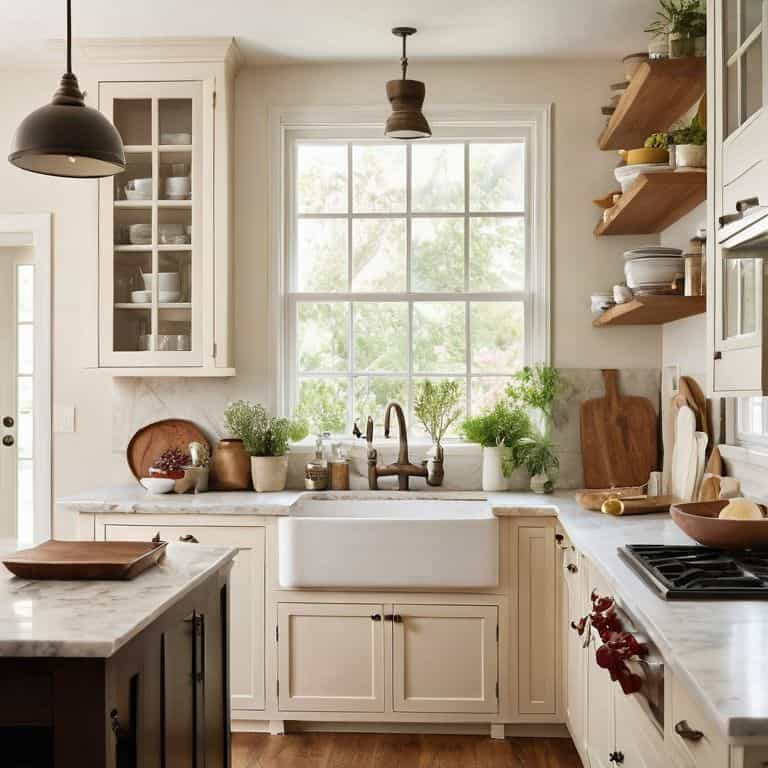
As I reflect on the journey of uncovering kitchen organization hacks, I am reminded of the importance of balance between form and function. We’ve explored the art of maximizing cabinet space with timeless elegance, and delved into the science of optimal layout design for efficient kitchen harmony. By embracing these principles, we not only create a space that is aesthetically pleasing but also one that fosters a sense of warmth and community. The kitchen, after all, is the heart of the home, where memories are made and stories are told.
As we conclude our exploration of kitchen organization hacks, I leave you with a final thought: the true beauty of a well-designed kitchen lies not just in its functionality, but in its ability to inspire new memories. So, let us cherish the time we spend in this sacred space, and let the timeless elegance of our kitchen designs be a reflection of the love and care that we put into every detail. By doing so, we will create kitchens that are not only organized and efficient but also warm, inviting, and truly unforgettable.
Frequently Asked Questions
How can I apply vintage restoration techniques to my kitchen cabinets to give them a unique character?
I love giving old cabinets new life. For a unique character, try restoring them with a distressed finish, like my “Hemingway” cabinet, which I refinished with a vintage walnut stain and ornate hardware, blending nostalgia with modern functionality.
What are some creative ways to repurpose old furniture pieces in a modern kitchen setting?
I love breathing new life into vintage pieces, like my ‘Napoleon’ sideboard, which now serves as a kitchen island, adding a touch of nostalgic rustic elegance to the space. Giving old furniture a fresh purpose not only reduces waste but also infuses the kitchen with character and history.
Can you share some tips on how to balance nostalgic elegance with functional efficiency in kitchen organization?
To balance nostalgic elegance with functional efficiency, I recommend blending vintage pieces, like my restored “Marie Antoinette” sideboard, with modern storage solutions, creating a harmonious dance between past and present that honors history while serving today’s needs.