









Promoting Emotional Well-being in Children at Home
 April 18, 2026

I still remember the countless times I’ve seen parents and caregivers struggle to prioritize emotional well-being for children in their daily lives. As a family therapist, I’ve noticed that many of us get caught up in the idea that we need to spend a lot of money or time on elaborate programs to support our kids’ mental health. But the truth is, it’s often the small, everyday moments that make the biggest difference. I’ve seen firsthand how a simple, loving conversation over dinner or a quiet moment of validation can help a child feel seen and heard.
As someone who’s passionate about helping families nurture their little ones, I want to assure you that nurturing emotional resilience doesn’t have to be complicated or expensive. In this article, I’ll share some honest, experience-based advice on how to create a safe and loving space for your children to thrive. I’ll draw from my own experiences as a mother and therapist to provide you with practical tips and strategies that you can start using today. My goal is to help you create a strong foundation for your child’s emotional well-being, one that will serve them well throughout their lives.
Table of Contents
- Nurturing Emotional Well Being for Children
- Cultivating Healthy Minds in Young Hearts
- Nurturing Young Hearts: 5 Essential Tips for Fostering Emotional Well-being in Children
- Key Takeaways for Nurturing Emotional Well-being in Children
- Nurturing Young Souls
- Embracing the Future with Compassion and Wisdom
- Frequently Asked Questions
Nurturing Emotional Well Being for Children

As I reflect on my own childhood, I realize the significance of childhood emotional intelligence development in shaping who I am today. My parents, though not perfect, made a conscious effort to create a nurturing environment that allowed my siblings and me to express our feelings freely. This approach helped us develop essential emotional regulation techniques that have been invaluable in our adult lives. I’ve seen similar positive outcomes in the families I’ve worked with, where parents have prioritized open communication and empathy.
In my experience as a family therapist, I’ve noticed that parenting strategies for emotional support can vary greatly from one family to another. However, a common thread among successful approaches is the emphasis on building self-esteem in children. By fostering a sense of self-worth and encouraging children to take risks, parents can help their kids develop the resilience needed to navigate life’s challenges. This, in turn, can have a profound impact on their mental health and ability to form healthy relationships.
As we navigate the complexities of modern parenting, it’s essential to consider the impact of social media on child mental health. While social media has its benefits, excessive exposure can have detrimental effects on a child’s self-esteem and emotional well-being. By being mindful of these factors and implementing strategies to nurture emotional resilience in kids, parents can help their children develop the skills needed to thrive in an ever-changing world.
Parenting Strategies for Emotional Support
As I reflect on my own experiences as a parent, I realize the importance of creating a safe and loving environment for children to express their emotions. This is where emotional validation comes into play, allowing kids to feel heard and understood. By acknowledging their feelings, we help them develop a sense of security and trust, which is essential for their emotional well-being.
In my practice as a family therapist, I’ve seen how active listening can be a game-changer for parents seeking to support their children’s emotional health. By giving our undivided attention to our kids and engaging with them on their level, we can help them process their emotions and develop healthier coping mechanisms.
Roots of Resilience Childhood Emotional Intelligence
As I reflect on my own childhood, I realize that my parents played a significant role in shaping my emotional intelligence. They taught me how to recognize and manage my emotions, which has been a cornerstone of my ability to cope with life’s challenges. By modeling healthy emotional expression and regulation, they helped me develop a strong foundation for emotional well-being.
In my work as a family therapist, I’ve seen how nurturing emotional awareness in children can have a profound impact on their resilience. By encouraging open conversations about feelings and emotions, parents can help their kids develop a deeper understanding of themselves and others. This, in turn, can foster stronger relationships and a more compassionate community.
Cultivating Healthy Minds in Young Hearts

As I reflect on my own childhood, I realize the significance of childhood emotional intelligence development in shaping our ability to navigate life’s challenges. My parents, though not perfect, taught me valuable lessons about emotional regulation, which I now pass on to my clients. I recall my mother’s words, “It’s okay to feel sad, but it’s not okay to let sadness define you.” Such wisdom has stuck with me and influences my approach to helping families.
In my experience as a family therapist, I’ve seen how parenting strategies for emotional support can make a profound difference in a child’s life. By creating a safe and nurturing environment, parents can help their children develop essential life skills, such as emotional regulation techniques. These skills enable kids to manage their emotions healthily, leading to increased confidence and self-esteem. I’ve witnessed firsthand how this, in turn, can have a positive impact on their relationships and overall mental health.
As we strive to nurture emotional resilience in kids, it’s essential to consider the potential impact of social media on child mental health. While social media can be a valuable tool for connection, it can also be a source of stress, anxiety, and decreased self-esteem. By being aware of these potential pitfalls, parents can take steps to mitigate their effects and promote a healthy, balanced lifestyle for their children. By doing so, we can empower the next generation with the tools they need to thrive in an ever-changing world.
Building Self Esteem Beyond Social Media
As I reflect on my own childhood, I realize how different it was from the world our kids are growing up in today. My parents always encouraged me to focus on my strengths and weaknesses, helping me develop a sense of self-worth that wasn’t dependent on external validation. This is why I believe in teaching children to recognize their inner strengths, so they can build a strong foundation for their self-esteem that goes beyond social media.
I’ve seen firsthand how comparing themselves to others on social media can affect kids’ self-perception, often leading to feelings of inadequacy. To counter this, I encourage parents to engage their kids in activities that promote self-reflection, such as journaling or creative pursuits, allowing them to develop a more authentic sense of self and build resilience against the pressures of social media.
Emotional Regulation Techniques for Kids Thrive
As I reflect on my own experiences as a mother and a family therapist, I’ve seen how emotional awareness can be a game-changer for kids. Teaching children to recognize and express their emotions in a healthy way is crucial for their development. I’ve witnessed firsthand how this awareness can help kids develop self-regulation skills, leading to better relationships with their peers and family members.
By incorporating mindfulness practices into daily routines, parents can help their kids develop emotional regulation techniques that will benefit them throughout their lives. This can be as simple as taking a few deep breaths together before bed or engaging in a relaxing activity, like drawing or reading, to calm the mind and body.
Nurturing Young Hearts: 5 Essential Tips for Fostering Emotional Well-being in Children
- I still recall the countless nights I spent worrying about my own kids’ emotional struggles, which is why I want to share with you the importance of validating their feelings – it’s crucial to create a safe space where they feel heard and understood
- Creating a daily routine that includes dedicated time for emotional check-ins can be a game-changer, as I’ve seen in my own family – it helps children develop a sense of security and trust, allowing them to open up about their feelings
- Practicing mindfulness together as a family can be a wonderful way to teach children emotional regulation techniques, and I’ve found that simple activities like deep breathing exercises or guided meditation can work wonders
- Encouraging physical activity and outdoor play is not only essential for physical health but also plays a significant role in boosting mood and reducing stress in children – I’ve seen this firsthand with my own kids, who always seem to brighten up after a trip to the park
- Modeling healthy emotional expression myself has been one of the most effective ways to teach my children about emotional well-being, as they learn from what they see – by being open about my own feelings and showing them how to manage emotions in a positive way, I’ve helped them develop essential life skills
Key Takeaways for Nurturing Emotional Well-being in Children
I’ve learned through my own family’s journey that prioritizing emotional intelligence in children is crucial, and it starts with us as parents and caregivers being aware of our own emotional responses and modeling healthy behaviors
By implementing simple yet effective parenting strategies such as active listening, validation of feelings, and encouraging open conversations, we can provide our children with the emotional support they need to thrive in an ever-changing world
Through practices like mindfulness, self-compassion, and fostering a sense of community and connection, we can help our children develop the resilience and emotional regulation skills necessary to navigate life’s challenges with confidence and empathy
Nurturing Young Souls
As I’ve learned through my own family’s journey and my work as a therapist, emotional well-being in children is not just about shielding them from life’s storms, but about teaching them to dance in the rain – to find joy, strength, and connection in every moment, no matter how big or small.
Laura Bennett
Embracing the Future with Compassion and Wisdom
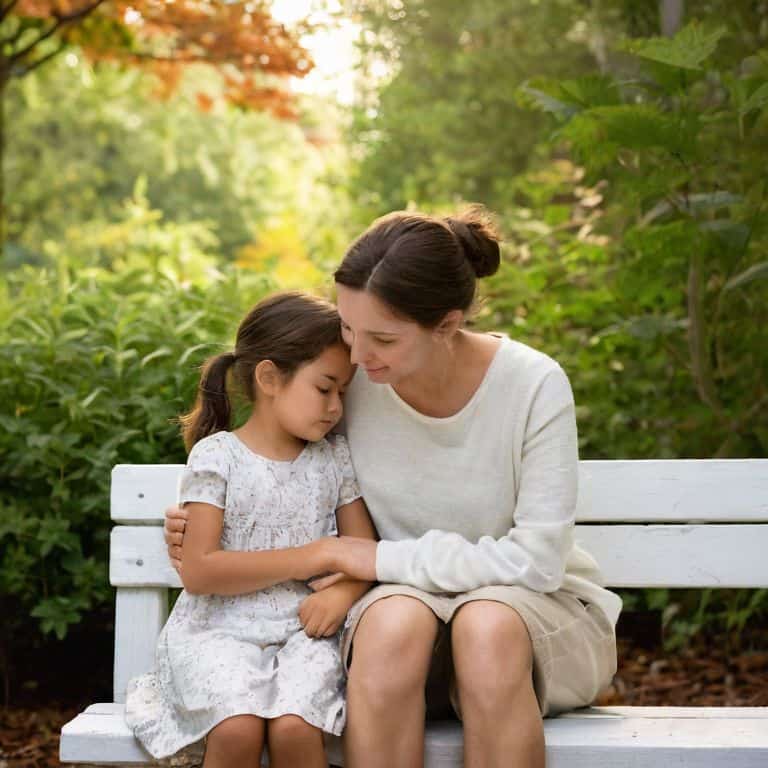
As I reflect on our journey through the world of emotional well-being for children, I’m reminded of the importance of nurturing little hearts and minds. We’ve explored the roots of resilience, delved into parenting strategies for emotional support, and discussed emotional regulation techniques that help kids thrive. By building self-esteem beyond social media, we can empower our children to grow into confident, compassionate individuals. It’s a journey that requires patience, understanding, and a willingness to learn from one another.
As we move forward, let’s hold onto the idea that every child deserves a safe and loving space to grow and flourish. By embracing our role as guardians of their emotional well-being, we can create a brighter, more empathetic future for generations to come. Let’s cherish the stories of our children, and the stories of our own childhood, for they hold the secrets to a more compassionate world. Together, we can weave a tapestry of love, kindness, and understanding that will forever change the fabric of our families and communities.
Frequently Asked Questions
How can parents balance the need to protect their children from stress with the importance of teaching them resilience?
I’ve seen this delicate balance play out in my own family – my parents walking the fine line between shielding me from stress and encouraging me to face challenges head-on. For me, it’s about having open, honest conversations with our kids, validating their emotions, and gradually giving them autonomy to make choices and learn from their mistakes.
What role can extended family members, such as grandparents, play in supporting the emotional well-being of children?
I’ve seen firsthand how grandparents can be a treasure trove of love and wisdom for kids. They can offer a unique perspective, share family stories, and provide a sense of stability and comfort, helping children develop a stronger sense of identity and emotional resilience.
Are there specific emotional intelligence skills that children should be taught at different ages, and if so, what are the most effective ways to teach them?
I’ve found that teaching emotional intelligence skills to children can be tailored to their age. For younger ones, it’s about recognizing and labeling emotions, while older kids can learn more complex skills like empathy and self-regulation. I’ve seen great success with role-playing, storytelling, and positive reinforcement to help them develop these essential life skills.