









Comfort in a Bowl: Soup Recipes That Warm the Heart
 January 19, 2026
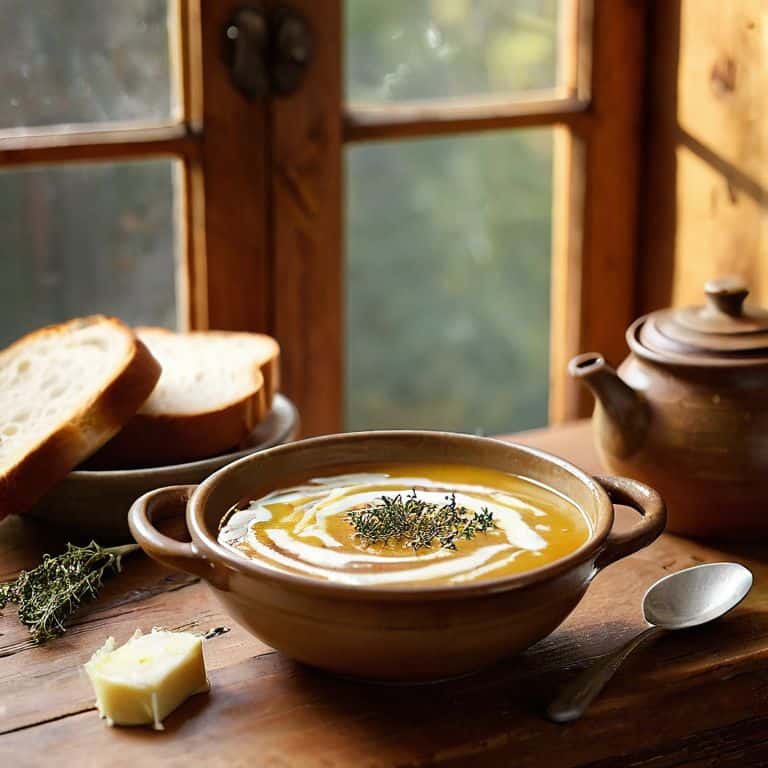
As I sit here, surrounded by the warm, golden light of my kitchen, I am reminded of the countless hours I spent as a child, watching my nonna stir traditional soup recipes that had been passed down through generations of our family. It’s a common myth that these recipes are somehow outdated or irrelevant in today’s fast-paced world, but I’ve found that the truth is quite the opposite: there’s a timeless beauty to a well-crafted, slow-cooked soup that can’t be replicated by any modern shortcut. My nonna’s kitchen was always filled with the aroma of simmering broths and the sound of laughter, and it’s this sense of community and connection that I believe is at the heart of what makes traditional soup recipes so enduring.
As we explore the world of traditional soup recipes together, I promise to share with you the stories and techniques that I’ve gathered from my own travels and experiments in the kitchen. From the spicy, sour flavors of Thai tom yum to the rich, comforting goodness of Italian minestrone, I’ll be sharing my own experiences and insights into what makes these recipes tick. My goal is to provide you with honest, hype-free advice that will help you to create delicious, authentic soups that will become staples in your own kitchen. Whether you’re a seasoned cook or just starting out, I invite you to join me on this journey into the world of traditional soup recipes, and to discover the joy and connection that can be found in a simple, well-crafted bowl of soup.
Table of Contents
Recipe Details
Ingredients
- 2 tablespoons butter (melted)
- 1 medium onion (chopped)
- 3 cloves garlic (minced)
- 4 cups vegetable broth (low sodium)
- 1 can diced tomatoes (14.5 oz)
- 1 teaspoon dried thyme (fresh or dried)
- 1/2 teaspoon salt (or to taste)
- 1/4 teaspoon black pepper (or to taste)
- 2 cups mixed vegetables (such as carrots, potatoes, and zucchini)
Tools & Supplies
- Large pot
- Cutting board
- Measuring cups
- Measuring spoons
- Wooden spoon
Recipe Instructions
Step 1
To start our journey through traditional soup recipes, let’s begin with a classic Italian favorite, minestrone. This hearty soup is a staple of my nonna’s kitchen, and its rich flavors are a perfect representation of the comfort food that warms the soul. First, we’ll need to chop a variety of vegetables, including onions, carrots, and celery, which will form the foundation of our soup’s aroma and flavor.
Step 2
Next, we’ll heat some olive oil in a large pot over medium heat, then add the chopped vegetables and sauté them until they’re tender and lightly browned. This step is crucial, as it allows the vegetables to release their natural sweetness, which will later balance out the savory flavors of the broth and tomatoes. As the vegetables cook, the kitchen will start to fill with the inviting aromas of a traditional Italian kitchen.
Step 3
Now, it’s time to add the canned tomatoes, vegetable broth, and a pinch of salt to the pot. These ingredients will combine to create a rich and flavorful broth that’s reminiscent of Sunday lunches at my nonna’s house. As the soup simmers, the flavors will meld together, and the broth will reduce slightly, intensifying the overall taste experience.
Step 4
While the soup is cooking, we can prepare the pasta or rice that will be added to the pot. For this recipe, I recommend using small, tubular pasta shapes like ditalini or elbow macaroni, as they hold onto the flavorful broth perfectly. Once the pasta is cooked, we’ll add it to the pot, along with some canned beans and chopped fresh parsley, which will add a burst of fresh flavor to the dish.
Step 5
As we near the end of our recipe, it’s time to taste and adjust the seasoning. This is where my uncanny ability to guess ingredients comes in handy, as I can pinpoint the exact flavors that need to be balanced. With a sprinkle of grated Parmesan cheese and a drizzle of extra virgin olive oil, our traditional minestrone soup is ready to be served. The combination of aromatic vegetables, rich broth, and al dente pasta will transport you straight to the heart of Italy, where the love for food and family is always at the forefront.
Step 6
Finally, to make the experience even more special, I recommend serving the soup in vintage ceramic bowls, which will add a touch of nostalgia and warmth to the overall dining experience. As you take your first sip, remember that traditional soup recipes like this one are not just about the food; they’re about the stories and memories that are created around the dinner table, and the love that goes into preparing each and every dish.
Discovering Traditional Soup Recipes
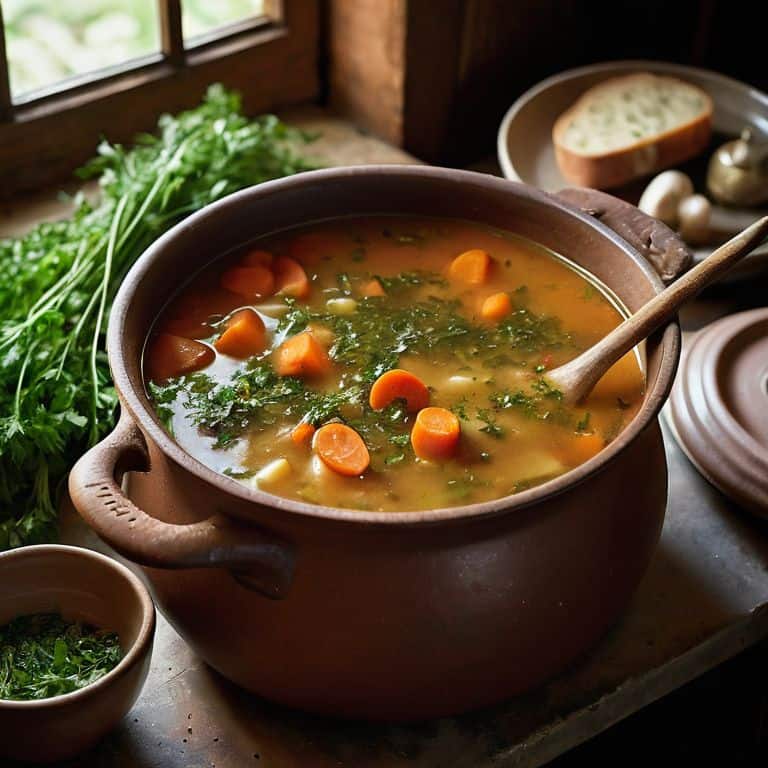
As I delve into the world of traditional soups, I’m reminded of my nonna’s heirloom vegetable soup, a staple in our Italian household. She’d spend hours simmering a rich broth, filled with tender vegetables and aromatic herbs, to create a dish that warmed the hearts and bellies of our family. This slow-cooked masterpiece was more than just a meal; it was a gathering point, a time for us to share stories and laughter around the dinner table.
The art of crafting a delicious soup lies in the old world stock recipes, where every ingredient is carefully selected to bring depth and complexity to the dish. My nonna would often use a combination of beef, chicken, and vegetable scraps to create a rich, flavorful broth that served as the foundation for her soups. I’ve found that using a slow cooker can be a great way to replicate this process, allowing the flavors to meld together over several hours.
As I explore the diverse world of soups, I’m fascinated by the cultural soup influences that have shaped the cuisine of different regions. From the spicy kick of Korean kimchi stew to the comforting warmth of French onion soup, each dish tells a story of its people and their traditions. By embracing these comfort food soup ideas, we can create a sense of community and connection, just like my nonna’s kitchen, where love and laughter were always simmering.
Slow Cooker Methods for Old World Stock Recipes
As I rummage through my collection of vintage kitchen utensils, I stumble upon my nonna’s old slow cooker, its worn surface telling tales of countless meals. It’s the perfect companion for crafting Old World stock recipes, where patience and time are just as essential as ingredients. I recall my nonna’s words, “Il brodo è il cuore della cucina” – broth is the heart of the kitchen. With a slow cooker, I can coax out the rich flavors of vegetables, bones, and aromatics, just like nonna used to do.
By simmering these ingredients over low heat, I can unlock the deep, velvety textures that define traditional stocks. It’s a process that requires minimal effort, yet yields a profound impact on the final dish. As the aromas waft through my kitchen, I’m transported back to my childhood, surrounded by the sights and smells of my nonna’s cooking. The slow cooker method is a testament to the beauty of traditional cooking, where time and love are infused into every spoonful.
Uncovering Heirloom Vegetable Soup Secrets
As I delve into the world of traditional soups, I find myself enchanted by the humble heirloom vegetable soup. My nonna used to make a version of this soup, using vegetables from our family’s garden, and the flavors would transport me to a simpler time. The key to a great heirloom vegetable soup lies in the variety of vegetables used – my nonna would always say that the more colorful the soup, the more flavorful it would be. I recall guessing the ingredients in her soup, and she’d smile, impressed by my uncanny ability to detect even the subtlest notes.
In my own kitchen, I’ve experimented with different heirloom vegetables, from vibrant rainbow carrots to delicate, sweet turnips. The result is a soup that’s both nostalgic and innovative, with each spoonful telling a story of the land, the people, and the traditions that shaped it.
Simmering Secrets: 5 Timeless Tips for Crafting Traditional Soup Recipes
- Let your ingredients tell a story: just as my nonna would select the freshest vegetables from our local market, choose ingredients that are in season and locally sourced to add depth and authenticity to your soups
- Respect the broth: a rich, slow-cooked stock is the foundation of any great traditional soup, so take the time to simmer your bones and vegetables for a rich, velvety base
- Don’t be afraid to get creative with leftovers: my nonna would always say that the best soups are made from scraps, so think outside the box when it comes to using up leftover vegetables, meats, and grains
- Embrace the art of layering flavors: traditional soups are all about building complex, nuanced flavors, so don’t be shy about adding a pinch of this and a dash of that to create a truly unforgettable taste experience
- Take your time and let the soup simmer: just as a good story takes time to unfold, a great traditional soup needs time to develop its flavors, so let it simmer away and enjoy the journey, not just the destination
Timeless Wisdom from the Heart of Traditional Soups
As we delve into the world of traditional soups, it becomes clear that the true magic lies not just in the ingredients, but in the stories and techniques passed down through generations, like my nonna’s secret to making the perfect Italian broth
Embracing heirloom vegetables and old-world stock recipes can elevate our soups from mere meals to culinary journeys, connecting us with the rich tapestry of global traditions and the people who cherish them
Whether simmered on the stovetop or slow-cooked to perfection, traditional soups offer a sense of comfort and community, reminding us that, even in the busiest of times, there’s always room for a warm, nourishing bowl of goodness that brings us closer to our roots and to each other
A Taste of Tradition
Traditional soup recipes are more than just a collection of ingredients and instructions – they’re a gateway to the past, a bridge that connects us to our heritage and the people who came before us, their stories and love simmered into every spoonful.
Marco Bianchi
Warmth in a Bowl: A Culinary Legacy
As I reflect on our journey through traditional soup recipes, I’m reminded of the heirloom secrets we’ve uncovered, from the slow-cooked broths of old-world stock recipes to the vibrant tales of heirloom vegetable soups. These recipes are more than just a collection of ingredients and instructions – they’re a testament to the power of food to bring people together, to comfort, and to inspire. Whether you’re a seasoned chef or a curious cook, I hope you’ve found inspiration in the stories and recipes we’ve shared, and that you’ll continue to explore the rich world of traditional soups with a sense of wonder and curiosity.
As you close this chapter and move on to your next culinary adventure, remember that the true magic of traditional soup recipes lies not just in their timeless flavors, but in the stories they tell and the memories they help create. So go ahead, take a sip, close your eyes, and let the aromas transport you to a place of warmth and comfort – for in the world of traditional soups, that’s where the true beauty lies.
Frequently Asked Questions
What are some common ingredients used in traditional soup recipes from different cultures?
The beauty of traditional soups lies in their diversity. From Italy’s minestrone to Japan’s miso, common ingredients include beans, vegetables, and aromatic spices. In many cultures, you’ll also find the use of local staples like potatoes, carrots, and onions, which add depth and warmth to these comforting dishes.
How can I adapt traditional soup recipes to suit modern dietary preferences and restrictions?
To adapt traditional soups, I like to think of it as a gentle evolution, rather than a revolution. Simply swap out heavy creams for cashew or coconut cream, or use vegetable broth instead of beef. You can also add plant-based proteins or gluten-free grains to give classic recipes a modern twist, all while preserving the essence of nonna’s loving touch.
What are some tips for preserving the nutritional value of ingredients when making traditional soups?
To preserve the nutritional value of ingredients in traditional soups, I swear by my nonna’s trick: sautéing aromatics in olive oil to release their essence, then adding vegetables and beans towards the end of cooking to retain their vibrant colors and nutrients. It’s all about layering flavors and textures while respecting the delicate balance of each ingredient.