









Creating a Calm and Supportive Study Area for Kids
 April 6, 2026
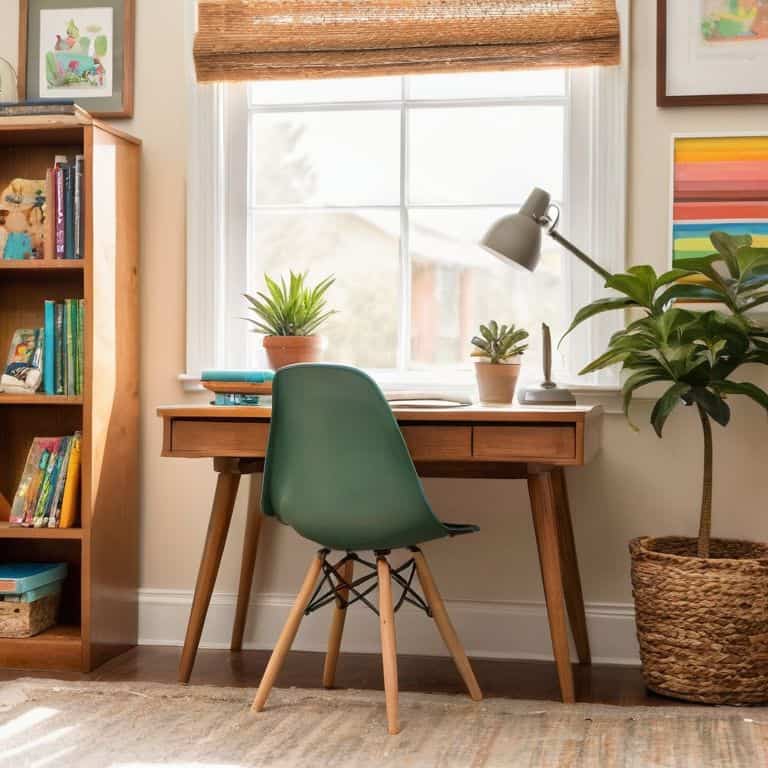
I still remember the countless hours my own children spent at our kitchen table, pouring over their textbooks and worksheets, as I tried to create a study area for kids that was both functional and inspiring. But I’ve come to realize that the traditional notion of a “dedicated study space” can be quite limiting, and even frustrating, for many families. The truth is, a study area for kids doesn’t have to be a separate room or a fancy desk – it can be as simple as a cozy corner in the living room or a quiet nook in the backyard.
As a family therapist, I’ve seen firsthand the impact that a well-designed study area can have on a child’s learning and development. In this article, I’ll share my personal experience and expertise on how to create a study sanctuary that sparks imagination and connection. You’ll learn how to identify the perfect spot in your home, how to minimize distractions and maximize productivity, and how to make learning a fun and enjoyable experience for your kids. My goal is to provide you with practical advice and inspiration to help you create a study area that works for your unique family needs and fosters a love of learning in your children.
Table of Contents
- Guide Overview: What You'll Need
- Step-by-Step Instructions
- Nurturing Young Minds
- Setting the Stage for Success: 5 Essential Tips for a Kid-Friendly Study Area
- Embracing Family Traditions Through Storytelling
- Creating Sanctuaries for Young Minds
- Creating a Lasting Foundation for Learning
- Frequently Asked Questions
Guide Overview: What You'll Need
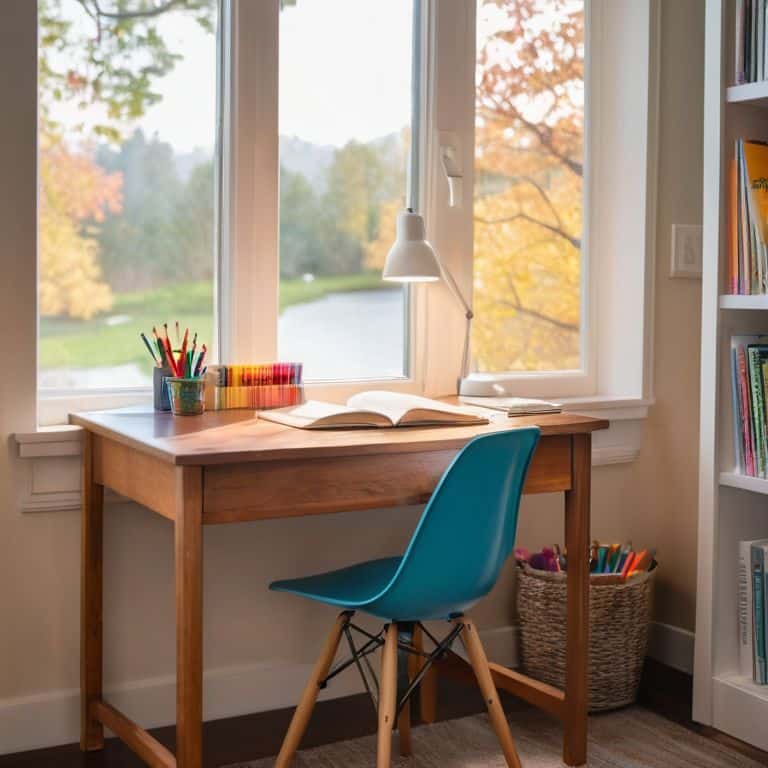
Total Time: 2 hours 30 minutes
Estimated Cost: $50 – $100
Difficulty Level: Intermediate
Tools Required
- Tape Measure for measuring the space
- Level to ensure shelves are straight
- Drill with screwdriver and drill bits
- Saw for cutting 2-in x 4-in lumber
- Screwdriver for assembling furniture
- Pencil for marking walls and furniture
Supplies & Materials
- 2-in x 4-in Lumber for building shelves
- Plywood for creating a desk surface
- Shelf Brackets for supporting shelves
- Wall Paint for decorating the study area
- Desk Lamp for providing adequate lighting
- Rug for comfort and noise reduction
Step-by-Step Instructions
- 1. First, let’s start by identifying the perfect spot for our study area. I remember when my kids were young, we had to get creative with the space we had, but it’s essential to find a quiet and comfortable area that can be dedicated to learning and growth. Consider a corner in your child’s bedroom or a nook in the living room that can be transformed into a cozy study sanctuary.
- 2. Next, we need to declutter and organize the space. I’ve found that a clutter-free environment helps my kids focus and stay on track. Encourage your child to sort through their belongings and get rid of anything they no longer need or use. This is also a great opportunity to teach them about the importance of donating gently used items to those in need.
- 3. Now, let’s talk about ergonomics and comfort. As a family therapist, I’ve seen how a well-designed study space can make all the difference in a child’s academic success. Invest in a good chair and a desk that fits your child’s height, and consider adding a fun and colorful rug to define the study area. My kids loved having their own special rug, and it helped them feel more connected to their study space.
- 4. The next step is to add good lighting. I’ve learned that proper lighting can greatly impact a child’s ability to focus and learn. Consider using a combination of natural and artificial light sources, such as a desk lamp or a floor lamp, to create a warm and inviting atmosphere. My kids used to love reading by the window, and it was amazing to see how much they enjoyed their study time.
- 5. Now it’s time to make it tech-friendly. As a parent, I know how important it is to stay connected and have access to the right tools for learning. Consider investing in a kid-friendly tablet or laptop, and make sure your child has access to the internet and other educational resources. I’ve found that setting boundaries and guidelines around screen time is also essential to maintaining a healthy balance.
- 6. The sixth step is to add some personality to the study area. I love seeing my kids’ personalities shine through in their study space, and it’s a great way to make the area feel more welcoming and inclusive. Encourage your child to add their favorite colors, photos, or decorations to the space, and make it feel like their own. My kids used to love putting up their favorite artwork and creations, and it was amazing to see how proud they were of their space.
- 7. Finally, let’s not forget to make it a family affair. As a family therapist, I’ve seen how important it is to involve the whole family in the learning process. Consider setting aside time each week to study together, whether it’s working on a puzzle, reading a book, or simply spending quality time together. My kids loved having family study nights, and it was a great way to bond and create lasting memories.
Nurturing Young Minds
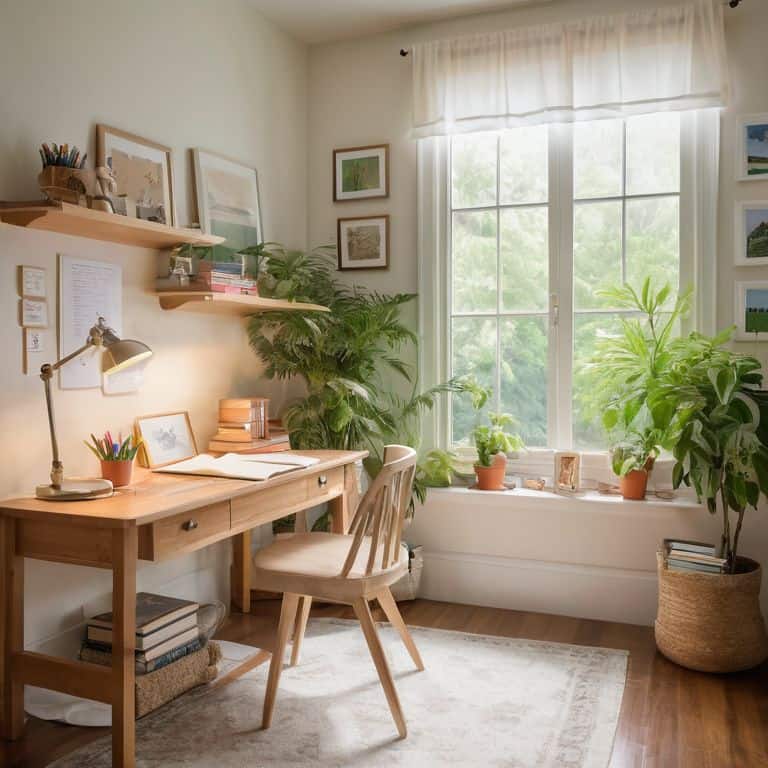
As I reflect on my own childhood, I realize the importance of creating a space that fosters growth and curiosity. When designing a study sanctuary for your little ones, consider the significance of natural light in promoting a sense of well-being and focus. I’ve seen firsthand how a well-lit space can transform a room, making it feel more inviting and conducive to learning.
In my experience as a family therapist, I’ve noticed that minimalist study room decor can help reduce distractions and promote a sense of calm. By incorporating kid friendly storage solutions, you can encourage your children to maintain a tidy and organized space, teaching them valuable skills about responsibility and time management. This, in turn, can help them develop a sense of pride and ownership over their study area.
As you work with your child to create their ideal study space, remember to prioritize their comfort and physical well-being. Investing in an ergonomic chair for kids can make a significant difference in their ability to focus and stay engaged during study sessions. By considering these factors and involving your child in the decision-making process, you can help them develop a love of learning that will last a lifetime.
Cozy Study Nooks With Ergonomic Chair
As I think back to setting up my own kids’ study areas, I realize how crucial it is to create a cozy atmosphere that invites learning. A comfortable, ergonomic chair is essential for those long study sessions. I’ve seen my kids spend hours poring over books and working on projects when they have a chair that supports their growing bodies. It’s amazing how a well-designed chair can boost their focus and overall study experience.
I’ve found that a chair with good lumbar support and adjustable height is a must-have for any study nook. It allows my kids to maintain good posture, reducing the risk of back and neck strain. Plus, it’s a great way to teach them the importance of taking care of their physical health while studying. With the right chair, they can stay comfortable and focused, making the most of their study time.
Minimalist Decor for Focused Learning
As I reflect on my own childhood, I remember how a clutter-free space helped me stay focused on my studies. A minimalist approach to decor can work wonders for kids, too. By keeping the study area simple and uncluttered, we can help our children avoid distractions and stay on track. I’ve seen this work beautifully in my own family – my niece, for instance, has a dedicated study nook with just a few favorite books and a cozy reading light, and she loves spending time there, lost in her own little world.
I’ve also found that a thoughtful, minimalist decor can encourage a sense of calm and curiosity in young minds. By incorporating a few, carefully chosen elements – like a favorite piece of artwork or a small, potted plant – we can create a space that feels both peaceful and inspiring. As a family therapist, I’ve seen how this kind of environment can help kids develop a love of learning that lasts a lifetime.
Setting the Stage for Success: 5 Essential Tips for a Kid-Friendly Study Area
- Create a cozy reading nook with a good light source, a comfortable pillow, and a side table to foster a love for reading and relaxation
- Choose a desk that fits your child’s age and size, with enough space for their books, papers, and favorite pens to keep them organized and focused
- Add some greenery to the study area, like a small potted plant or a vase with fresh flowers, to bring in a touch of nature and serenity
- Incorporate personalized touches, such as family photos, artwork, or fun posters, to make the study area feel like their own special space
- Establish a ‘tech-free’ zone or set a ‘no screens’ rule during certain hours to encourage kids to focus on their studies and develop healthy screen-time habits
Embracing Family Traditions Through Storytelling
By sharing our family stories and traditions, we can foster a deeper sense of connection and understanding among our loved ones, creating a stronger and more empathetic family bond.
Exploring our family history and cultural heritage can help us appreciate the diversity and richness of our roots, allowing us to pass down valuable lessons and values to the next generation.
Through the simple act of gathering around the table to share meals and stories, we can revitalize our family traditions and create new ones, nurturing a sense of togetherness and belonging that transcends generations.
Creating Sanctuaries for Young Minds
A study area for kids is more than just a desk and a chair – it’s a sanctuary where curiosity meets creativity, and imagination knows no bounds, a space where our children can grow, learn, and thrive, surrounded by love, support, and the stories that shape them.
Laura Bennett
Creating a Lasting Foundation for Learning
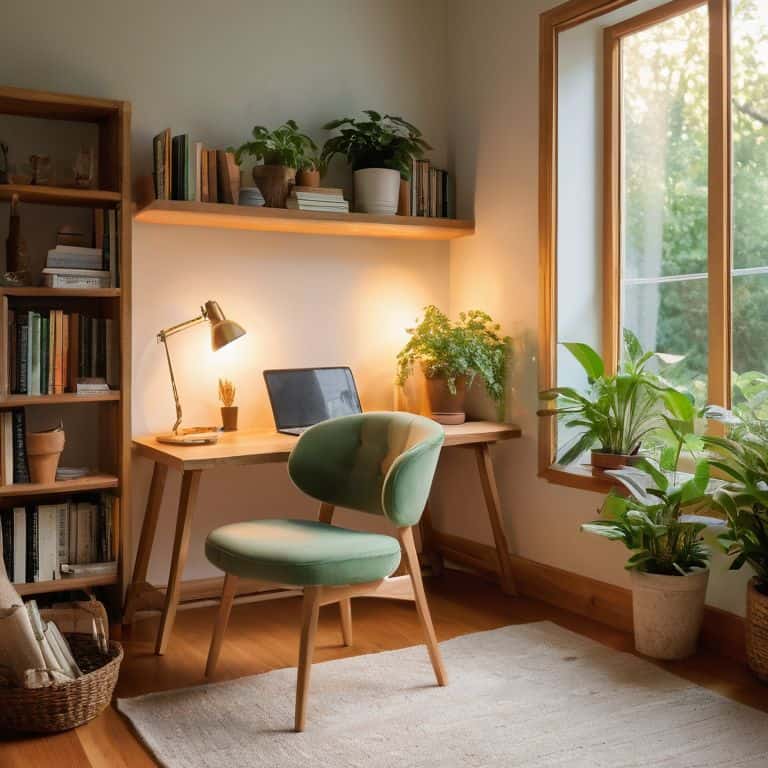
As we’ve explored the world of study areas for kids, it’s clear that creating a space that sparks imagination and connection is about more than just furniture and decor. It’s about cultivating an environment that nurtures young minds, fosters a love of learning, and provides a sense of comfort and security. From cozy study nooks with ergonomic chairs to minimalist decor that promotes focused learning, every detail plays a role in shaping your child’s educational journey. By considering your child’s unique needs, personality, and learning style, you can craft a study area that becomes a sanctuary for growth and discovery.
As you embark on this journey of creating the perfect study area for your kids, remember that it’s a process of evolution, not a one-time task. It’s about being open to change, embracing new ideas, and nurturing a love of learning that will stay with your child for a lifetime. So, take a deep breath, have fun with the process, and watch your child thrive in their new study sanctuary. With patience, love, and a willingness to learn together, you’ll be amazed at the endless possibilities that unfold.
Frequently Asked Questions
How can I create a study area that accommodates my child's different learning styles?
I love that question! As a family therapist, I’ve seen how tailored study spaces can boost kids’ confidence and curiosity. To accommodate different learning styles, consider a flexible layout with varied seating options, like bean bags, desks, or even a reading nook. This way, your child can switch between spaces to stay engaged and comfortable, whether they’re a visual, auditory, or hands-on learner.
What are some ways to minimize distractions and keep my child focused in their study space?
To minimize distractions, I recommend creating a quiet and clutter-free zone, much like my grandmother used to have in her home office. Consider using a desk with built-in storage, and establish a “no screen” rule during study hours, just as we did during our family’s Sunday dinner gatherings.
Are there any specific lighting or color schemes that can enhance my child's productivity and mood while studying?
I’ve found that warm, natural light and soft color palettes can work wonders for my kids’ focus and mood. In our home, we’ve used table lamps with warm-toned shades and painted the study area a soothing light blue, which seems to promote a sense of calm and curiosity.