









Incorporating Educational Games Into Family Game Night
 October 5, 2025

I still remember the excitement on my kids’ faces when they discovered that learning could be fun – and that’s exactly what educational games are all about, making education a delightful adventure for our little ones! As a family therapist, I’ve seen how these games can bring families closer together, sparking meaningful conversations and creating lasting memories. However, I’ve also noticed that many parents struggle to find the right balance between entertainment and education, often getting caught up in the hype surrounding the latest trends.
As someone who’s passionate about helping families navigate their unique dynamics, I want to assure you that my approach to educational games is rooted in real-life experience and a deep understanding of what works. In this article, I’ll share my personal stories and insights on how to harness the power of educational games to foster a love of learning and strengthen family bonds. I’ll cut through the noise and provide you with practical, no-nonsense advice on how to choose the right games for your family, and how to integrate them into your daily routine in a way that feels authentic and enjoyable. My goal is to empower you with the knowledge and confidence to create a positive, supportive learning environment that will benefit your family for years to come.
Table of Contents
- Nurturing Young Minds
- Embracing Educational Games
- Educational Apps for Kids a Guide for Parents
- Unlocking Child Cognitive Development With Online Resources
- Bringing Learning Home: 5 Tips to Make Educational Games a Family Favorite
- Key Takeaways for Family Learning
- Wisdom on Educational Games
- Bringing Families Closer Through Educational Games
- Frequently Asked Questions
Nurturing Young Minds
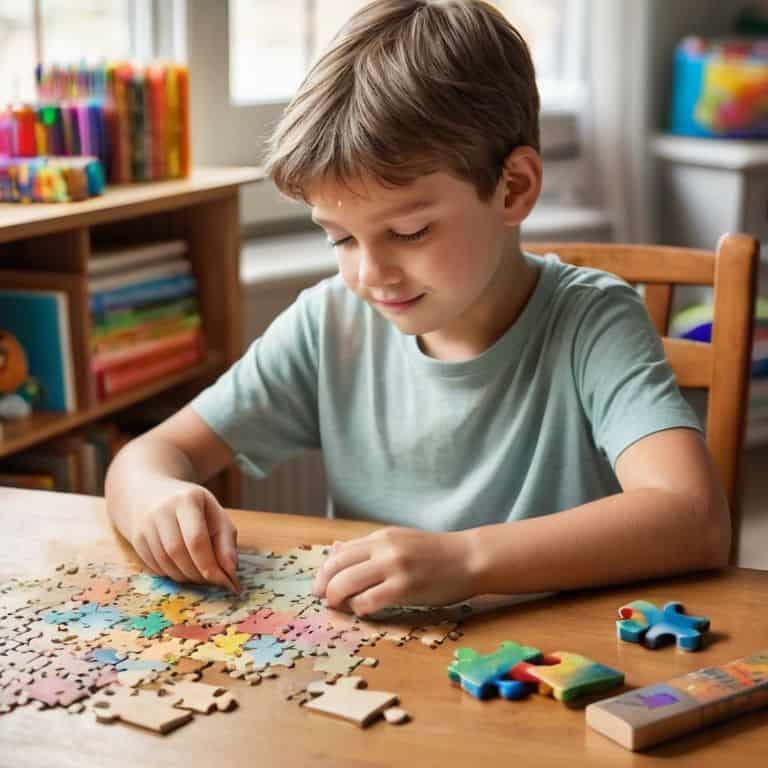
As I reflect on my own childhood, I realize the significance of interactive learning tools in shaping my curiosity and love for learning. My parents, though not tech-savvy at the time, encouraged me to engage with brain development games that challenged my problem-solving skills and sparked my creativity. These early experiences not only helped me develop a strong foundation in critical thinking but also instilled in me a sense of wonder and excitement about discovery.
In my work as a family therapist, I’ve seen firsthand the impact of learning through puzzles on a child’s cognitive development. By introducing puzzles and brain teasers at a young age, parents can help their children develop essential skills like spatial awareness, memory, and critical thinking. Moreover, child cognitive development activities that involve puzzles and games can be a great way to bond with your child, creating opportunities for meaningful interactions and shared accomplishments.
As a parent, I’ve also explored various online educational resources to supplement my children’s learning. I’ve found that educational apps for kids can be a valuable addition to their daily routine, providing access to a wide range of interactive lessons and activities that cater to different learning styles. By leveraging these tools, parents can create a nurturing environment that fosters a love for learning and supports the overall development of their child.
Interactive Learning Tools for Brain Development
As I reflect on my own experiences with educational games, I realize that interactive learning tools have been a game-changer for my kids. They’ve made learning a fun and engaging experience, rather than a chore. My youngest, in particular, has benefited from puzzles and brain teasers that challenge her problem-solving skills.
I’ve also noticed that brain development is heavily influenced by the types of activities our children engage in. By incorporating educational games into our daily routine, I’ve seen my kids’ critical thinking skills improve dramatically. It’s amazing to see how a simple game can help them develop a stronger understanding of complex concepts and ideas.
Learning Through Puzzles a Family Affair
As I reflect on my own childhood, I realize that learning through play was a vital part of my development. My parents would often engage me in puzzle games, which not only improved my problem-solving skills but also brought us closer together as a family.
I’ve carried this tradition forward with my own kids, and it’s been amazing to see how interactive puzzle games can foster a sense of teamwork and healthy competition among family members.
Embracing Educational Games

As I reflect on my own childhood, I realize that interactive learning tools played a significant role in shaping my love for learning. My parents would often engage me in brain development games that challenged my problem-solving skills and encouraged critical thinking. These early experiences not only helped me develop a strong foundation in academics but also instilled in me a sense of curiosity and wonder.
I’ve carried this approach forward with my own family, incorporating learning through puzzles into our daily routine. It’s been amazing to see how these activities have brought us closer together, fostering a sense of teamwork and collaboration. My kids love working on child cognitive development activities that challenge them to think creatively and develop their problem-solving skills. Whether it’s a jigsaw puzzle or a brain teaser, these interactive exercises have become an integral part of our family bonding time.
As a family therapist, I’ve seen firsthand the impact that online educational resources can have on a child’s learning journey. By leveraging these tools, parents can create a supportive and engaging learning environment that caters to their child’s unique needs and interests. By embracing educational apps for kids, families can make learning a fun and enjoyable experience, setting their children up for success in the years to come.
Educational Apps for Kids a Guide for Parents
As I delve into the world of educational apps, I’m reminded of the countless hours my own kids spent on tablets, engaged in learning through interactive games and activities. It’s crucial for parents to find the right balance between entertainment and education.
I’ve found that quality educational content is essential when choosing apps for our little ones, ensuring they’re not only fun but also enriching and safe.
Unlocking Child Cognitive Development With Online Resources
As I reflect on my own experiences with my family, I’ve come to realize the importance of interactive learning in shaping young minds. Online resources have been a game-changer, offering a wide range of engaging activities that cater to different learning styles. My kids have benefited greatly from these resources, and I’ve seen their confidence grow as they explore and learn at their own pace.
I’ve found that educational websites can be a treasure trove of information, providing a structured approach to learning that is both fun and effective. By incorporating these online resources into our daily routine, I’ve been able to create a nurturing environment that fosters curiosity and creativity in my children, and I believe other families can benefit from this approach as well.
Bringing Learning Home: 5 Tips to Make Educational Games a Family Favorite
- Start with games that spark curiosity, like puzzles or brain teasers, to encourage a love for learning in your little ones
- Involve your kids in the process of choosing educational games, letting them take ownership of their learning journey
- Set aside device-free family time to engage in board games or card games that promote social interaction and healthy competition
- Look for games that align with your child’s interests, whether it’s science, history, or art, to make learning feel more like an adventure
- Join in on the fun and play alongside your kids, using educational games as a way to bond and create lasting memories together
Key Takeaways for Family Learning
I’ve found that incorporating educational games into our family routine has not only made learning more enjoyable for my kids, but also brought us closer together as we explore new concepts and challenges side by side
By embracing interactive learning tools and puzzles, we can nurture our children’s cognitive development and watch them grow into curious, creative problem solvers with a passion for discovery
Whether through educational apps, online resources, or traditional board games, the most important thing is to make learning a fun, collaborative experience that fosters a sense of togetherness and shared adventure in our families
Wisdom on Educational Games
Educational games are more than just a tool for learning – they’re a way to spark imagination, foster connection, and create lasting memories with our children, reminding us that the journey of growth is just as important as the destination.
Laura Bennett
Bringing Families Closer Through Educational Games

As I reflect on the journey of discovering the world of educational games with my family, I am reminded of the importance of interactive learning in nurturing young minds. From brain development through puzzles to embracing educational apps and online resources, our experience has been one of growth, connection, and fun. I’ve seen how these tools can foster a love for learning that extends beyond the screen, into our daily conversations and activities. By incorporating educational games into our routine, we’ve not only enhanced our children’s cognitive skills but also strengthened our bond as a family.
As we move forward, I encourage all families to explore the vast landscape of educational games available to them. Let’s embrace the power of play and recognize that learning can be a delightful adventure for all ages. By doing so, we can create a future where education is not just about achieving milestones, but about cultivating curiosity and a lifelong love for discovery, together. In the end, it’s not just about the games themselves, but about the memories we create and the values we pass on to the next generation.
Frequently Asked Questions
How can I ensure that the educational games my children play are both fun and aligned with their learning goals?
As a family therapist, I’ve seen how educational games can spark joy and curiosity in kids. To ensure they’re both fun and aligned with learning goals, I recommend setting clear objectives with your child, choosing games that match their interests, and actively engaging with them during gameplay to foster a love for learning.
What are some examples of educational games that are suitable for children of different age groups and learning abilities?
I’ve seen firsthand how educational games can cater to different age groups and learning abilities. For younger kids, games like Candy Land and Chutes and Ladders teach counting and strategy, while older kids enjoy more complex games like Scrabble and chess, which enhance vocabulary and critical thinking. Adaptive games like Minecraft and LEGO also accommodate various learning styles.
Can educational games really improve my child's academic performance, and if so, what evidence is there to support this claim?
I’ve seen it firsthand with my own kids – educational games can truly make a positive impact on academic performance. Research shows that interactive learning experiences can improve problem-solving skills, boost confidence, and even enhance cognitive development, all of which can translate to better grades and a lifelong love of learning.