








Maximizing Spring Blooms: Essential Early Season Gardening Tips
 September 16, 2025
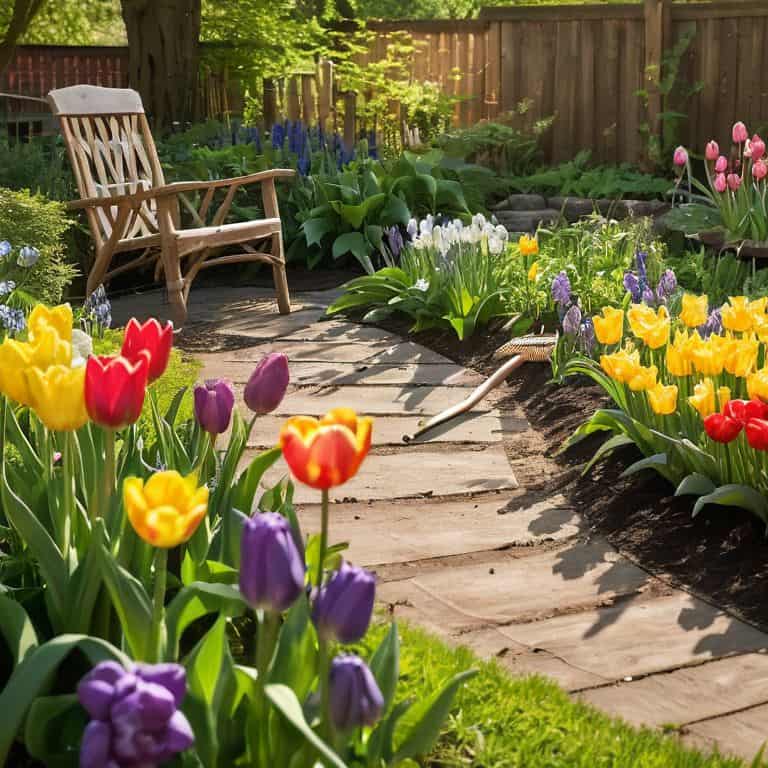
As I step into my garden, the crisp spring air carries the sweet scent of blooming flowers, and I’m reminded of the countless spring gardening tips I’ve gathered over the years. The myth that spring gardening has to be a daunting task, filled with tedious chores and unfulfilled expectations, is one I’d like to debunk. In reality, with the right mindset and a few simple tricks, this season can be a time of renewal and joy, as you watch your garden transform into a vibrant tapestry of colors and textures.
In this article, I’ll share my personal favorites among the spring gardening tips, gleaned from years of tending to my own little corner of Oregon’s paradise. You can expect honest and practical advice on how to prepare your soil, choose the right plants, and maintain a thriving ecosystem. From the initial cleanup to the final flourish, I’ll guide you through the process, sharing stories from my own experiences and the lessons I’ve learned along the way. By the end of this journey, you’ll be equipped with the knowledge to turn your outdoor space into a serene oasis, perfect for relaxing and reconnecting with nature.
Table of Contents
Guide Overview: What You'll Need
Total Time: 1 hour 30 minutes to several days
Estimated Cost: $20 – $100
Difficulty Level: Easy / Intermediate
Tools Required
- Gardening Gloves for protection
- Rake for soil preparation
- Hoe for weeding
- Trowel for planting
- Pruning Shears for trimming plants
- Measuring Tape for spacing plants
- Watering Can or Hose for watering plants
Supplies & Materials
- Seeds for new plants
- Seed Starting Mix for indoor seedlings
- Fertilizer for soil enrichment
- Mulch for soil retention and weed suppression
- Compost for soil improvement
- Soil Test Kit for determining soil pH and nutrient levels
- Gardening Twine for supporting plants
- Irrigation System for efficient watering
Step-by-Step Instructions
- 1. First, let’s start by assessing our garden’s current state, taking note of any areas that may have been affected by the winter weather. I like to walk through my garden with my trusty companion, a worn-out trowel I’ve named “Terra,” and make a mental map of the tasks that need attention. As I stroll, I’ll talk to Terra about our plans, and I swear she seems to gleam with excitement, ready to help me get my hands dirty.
- 2. Next, it’s time to prune and prepare our plants for the new growth that spring will bring. I carefully inspect each branch and stem, using my pruning shears, “Snippy” and “Clip,” to cut back any dead or damaged wood. This process not only helps to promote healthy growth but also allows me to shape my plants into the desired forms, creating a harmonious balance within the garden. As I work, I’ll often pause to admire the intricate patterns of the cut branches, finding inspiration for my bonsai landscapes.
- 3. Now, let’s focus on soil preparation, a crucial step in ensuring our garden thrives throughout the growing season. I’ll use my shovel, “Diggy,” to turn over the soil, incorporating compost and other organic matter to create a rich, fertile ground. This process is not only beneficial for the plants but also helps to support the local ecosystem, attracting beneficial insects and microorganisms that will aid in the breakdown of nutrients.
- 4. With our soil prepared, it’s time to plant new additions to the garden, selecting species that will thrive in the upcoming seasons. I’ll choose plants that not only provide a pop of color and texture but also offer sustainable benefits, such as attracting pollinators or providing shade. As I plant, I’ll make sure to water each new addition thoroughly, using my watering can, “Hydra,” to give them the best possible start.
- 5. As we continue to tend to our garden, it’s essential to implement a watering schedule that meets the unique needs of each plant. I’ll use a combination of rain barrels and drip irrigation to conserve water and reduce waste, making sure to monitor the moisture levels in the soil to avoid overwatering. My trusty watering can, Hydra, will be by my side as I make my rounds, ensuring each plant receives just the right amount of hydration.
- 6. To add an extra layer of protection and nourishment to our garden, let’s apply a layer of organic mulch around the base of each plant. This will help to retain moisture, suppress weeds, and regulate soil temperature, creating an ideal environment for growth. As I spread the mulch, I’ll use my rake, “Raki,” to evenly distribute it, taking care not to overwhelm the plants with too much material.
- 7. Finally, let’s take a step back and appreciate the beauty of our garden, taking time to enjoy the fruits of our labor. I’ll sit among the plants, surrounded by the sweet scents of blooming flowers, and reflect on the journey that has brought me to this moment. As I sit, I’ll talk to my garden tools, thanking them for their help and companionship, and look forward to the many joys that the upcoming gardening season will bring.
Spring Gardening Tips Unveiled
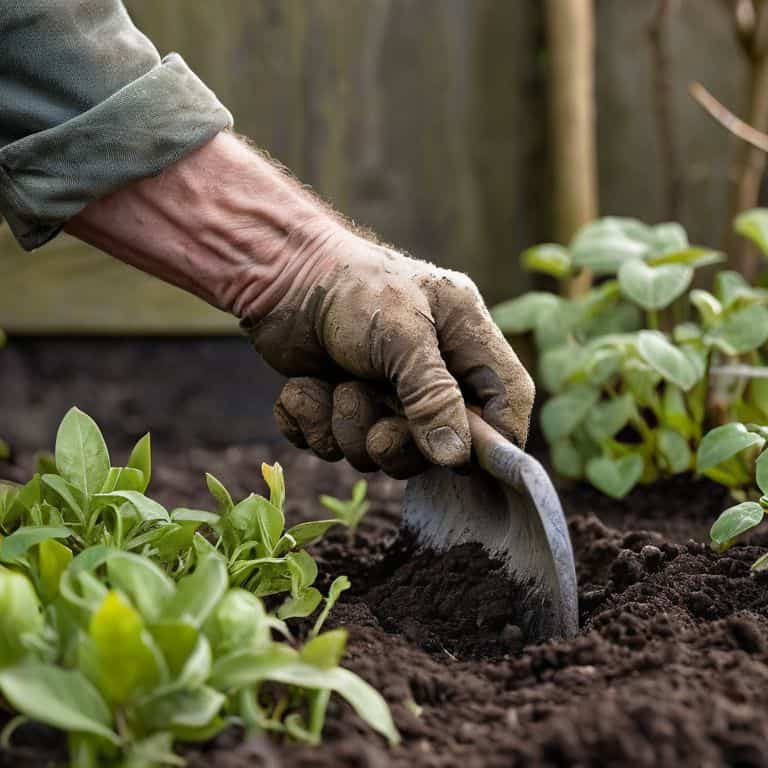
As I step into my garden, surrounded by the gentle hum of awakening life, I’m reminded of the importance of preparing soil for spring planting. This crucial step sets the stage for a thriving garden, where every bloom and sprout is a testament to the harmony between earth and care. I recall my trusty trowel, Bertha, and how she helps me gently turn the soil, allowing the warmth of the sun to seep in and revitalise the ground.
In the midst of this renewal, I find joy in choosing the right spring flowers that will dance in the breeze and paint my garden with vibrant hues. It’s a moment of meditation, as I consider the tapestry of colors and textures that will soon unfold. My gardening gloves, which I’ve lovingly named the Green Thumbs, are always by my side, protecting my hands as I plant each bulb and seed with care.
As the garden begins to flourish, it’s essential to keep an eye out for common spring gardening mistakes, such as overwatering or underfertilizing. My garden fork, Felix, is instrumental in helping me aerate the soil and prevent such mishaps. By being mindful of these potential pitfalls, I can ensure that my garden remains a haven of serenity and growth, where every plant and tree can reach its full potential.
Common Spring Gardening Mistakes
As I tenderly prune my bonsai trees, I’m reminded of the delicate balance in gardening. One misstep can upset the harmony of our outdoor sanctuaries. I’ve learned from my own experiences, and those of fellow gardeners, that common mistakes can often be avoided with a little mindfulness. Overwatering, for instance, can be detrimental, causing roots to rot and leaving our plants vulnerable to disease. My trusty watering can, “Luna,” and I have had our share of mishaps, but we’ve learned to listen to the earth and adjust our rhythm accordingly.
By being aware of these potential pitfalls, we can nurture our gardens with greater care and attention. As I whisper to my trowel, “Terra,” remember, it’s all about finding that sweet spot where our plants thrive, and our connection to nature deepens.
Preparing Soil for Spring Planting
As I prepare the soil for spring planting, I find myself in a gentle dialogue with my trusty tools – Bertha the trowel and Sammy the shovel. I whisper words of encouragement, believing that their metal hearts beat with a renewed sense of purpose. The earth, once dormant, begins to stir as I loosen the topsoil, allowing the warmth of the sun to awaken the microbes within. It’s a sacred ritual, one that requires patience and a deep understanding of the land.
With each scoop of soil, I add a pinch of organic compost, watching as the dark, rich matter melds with the earth. The scent of damp soil and decay fills the air, a primal aroma that speaks to the very essence of growth and renewal. As the soil begins to take shape, I know that I’ve created a canvas ripe for the vibrant colors and textures of spring’s bounty. My garden, a reflection of the natural world, is ready to flourish.
Sowing Seeds of Success: 5 Essential Spring Gardening Tips
- As the earth awakens from its winter slumber, I eagerly grab my trusty trowel, Bertha, and begin preparing the soil for a vibrant new season – a task that’s as much about listening to the land as it is about digging into it.
- Mulching is an art form, and with the help of my rake, Roderick, I ensure that every bed is blanketed with a layer of organic goodness, retaining moisture and suppressing those pesky weeds that try to steal the show.
- In the gentle warmth of spring, I find solace in pruning, with my shears, Sheila, expertly trimming back the skeletal remains of last year’s growth, making way for the lush tapestry of colors that is to come.
- Cultivating biodiversity is at the heart of my gardening philosophy, and spring is the perfect time to introduce new species, creating a haven not just for myself, but for the myriad creatures that call my garden home – a symphony of life that I’m honored to conduct.
- With the arrival of spring, I’m reminded of the importance of patience and observation, taking time to walk among my plants, to talk to them (yes, you read that right – my tools and I have many a conversation!), and to learn from their silent wisdom, for in their growth, I find my own.
Nurturing Life: 3 Key Takeaways for a Vibrant Spring Garden
As I reflect on my own journey, from the rolling hills of my childhood farm to the serene bonsai landscapes I now create, I’m reminded that spring gardening is not just about planting seeds, but about cultivating a deeper connection with the natural world.
By embracing the gentle art of soil preparation, as I do when I lovingly prepare the earth for my bonsai trees, and avoiding common pitfalls like over-watering or under-pruning, you’ll be well on your way to creating a thriving oasis that not only brings you peace, but also provides a haven for local wildlife.
As you tend to your garden, remember to listen to the whispers of your plants, just as I do when I’m working with my trusty garden tools – Bertha the trowel, Sammy the pruner, and Lola the rake – for it’s in these quiet moments that we discover the true magic of gardening, and the profound impact it can have on our lives and the world around us.
Sowing Seeds of Wisdom
As the earth awakens from its winter slumber, remember that spring gardening is not just about planting seeds, but about cultivating hope, nurturing life, and weaving a tapestry of beauty and biodiversity that reflects the ever-changing harmony of nature.
Dylan Thompson
As the Garden Awakens: A Final Whisper
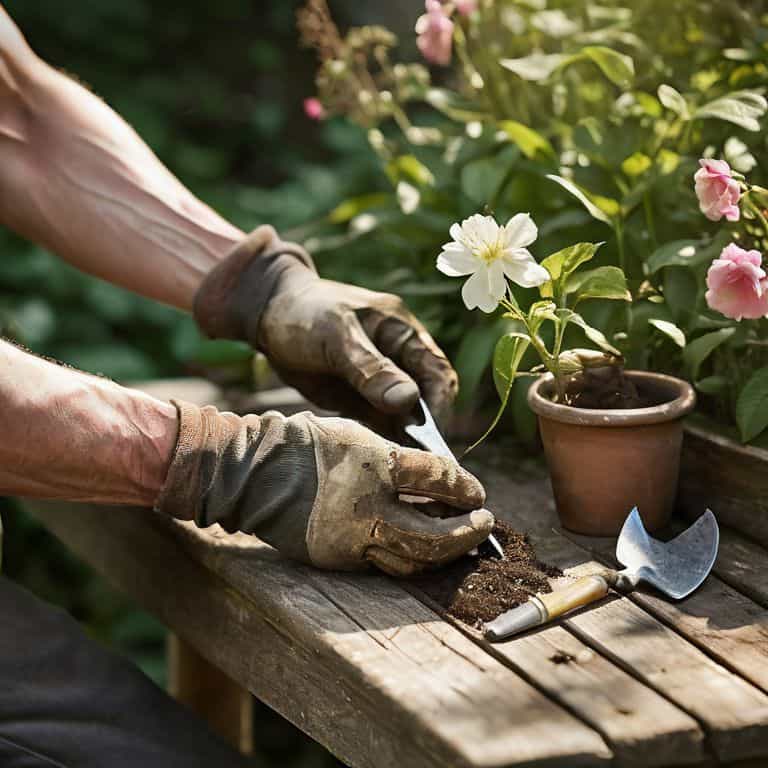
As we’ve journeyed through the realm of spring gardening tips, we’ve uncovered the essential steps to prepare our gardens for the vibrant season ahead. From preparing the soil with tender care, to avoiding common pitfalls that can hinder our progress, each moment has been a testament to the beauty of nurturing life. We’ve delved into the world of ecological gardening, where every decision is a chance to harmonize with nature, and our tools – like my trusty, well-named companions, Terra the trowel and Skye the pruner – have become extensions of our own hands, working in symphony to create a haven of biodiversity and peace.
As we close this chapter, remember that the true magic of gardening lies not just in the technicalities of planting, but in the spirit of connection it fosters – between us, the earth, and the simple joys of growth. So, let us tend to our gardens with love, listen to their whispers, and in doing so, find our own place within the grand tapestry of nature, where every seed we plant is a promise of a brighter, greener tomorrow.
Frequently Asked Questions
What are the most essential spring gardening tasks to focus on for a thriving garden?
As I tend to my bonsai landscapes, I’m reminded that essential spring tasks include pruning, fertilizing, and mulching – my trusty tools, Bertha the pruner and Felix the fork, always by my side. These simple steps awaken the earth, setting the stage for a vibrant and thriving garden.
How can I effectively incorporate compost and organic matter into my spring gardening routine?
As I gently coax my soil to life with trusty trowel, Bertha, I swear by the magic of compost and organic matter. I add a rich layer of homemade compost, and then mix in some well-rotted manure, watching as the earthy scent awakens the soil’s slumbering microbes, preparing it for a vibrant spring bloom.
What are some common pests or diseases I should be on the lookout for during the spring gardening season?
As spring awakens, so do the pests and diseases – my friend, Bertha the pruner, and I are always on the lookout for aphids, slugs, and powdery mildew, which can quickly spread in the moist spring air.