







Organic Pest Control: Keeping Your Garden Chemical-free
 September 15, 2025
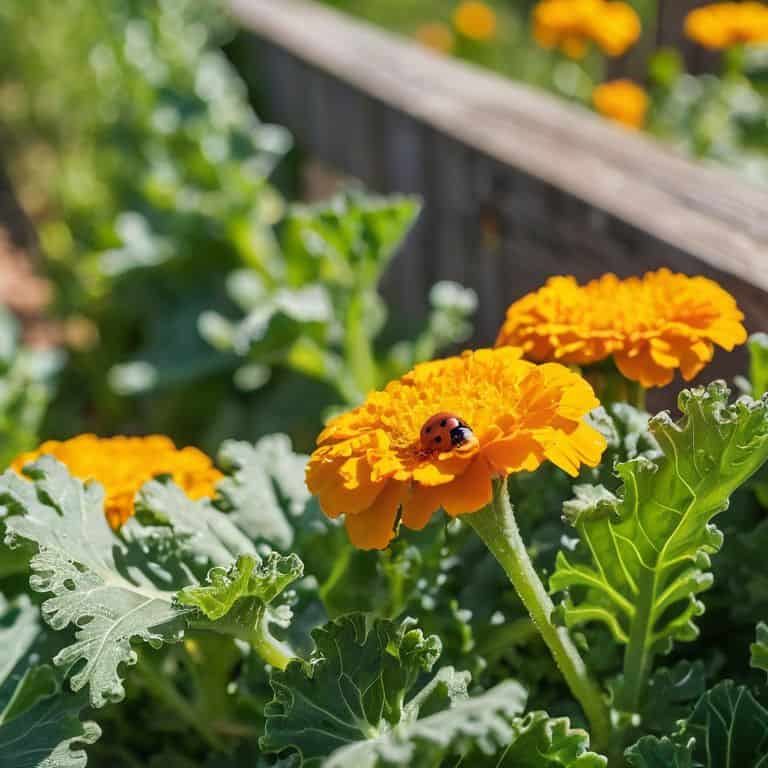
As I kneel in my garden, surrounded by the vibrant greens of my carefully tended plants, I’m reminded of the natural pest control methods that have become an integral part of my gardening philosophy. I’ve lost count of how many times I’ve been approached by fellow gardeners who’ve been misled by the promise of quick fixes and chemical solutions, only to find themselves stuck in a cycle of dependency and damage to their ecosystem. It’s a pet peeve of mine, really – the idea that we need to resort to harsh chemicals to keep our gardens healthy. My trusty garden tools, like my favorite pruning shears, Bertha, and my watering can, Winston, seem to agree, as they’ve been instrumental in helping me maintain a balanced and thriving garden.
In this article, I promise to share my hands-on experience with natural pest control methods, gleaned from years of experimenting and observing the delicate balance of my garden ecosystem. I’ll cut through the hype and provide you with practical, earth-friendly solutions that have worked for me, from companion planting to introducing beneficial insects. My goal is to empower you with the knowledge and confidence to create your own pest-free paradise, where biodiversity and tranquility can flourish. So, let’s get started on this journey together, and explore the simple, yet effective ways to keep your garden healthy and thriving, without resorting to harsh chemicals.
Table of Contents
- Embracing Natural Pest Control Methods
- Nurturing a Balanced Ecosystem
- Organic Gardening for Pest Prevention and Serenity
- Sustainable Pest Management Practices for Small Gardens
- Harmonizing with Nature: 5 Essential Tips for Natural Pest Control
- Key Takeaways for a Thriving Garden
- Cultivating Harmony
- Cultivating a Pest-Free Paradise, Naturally
- Frequently Asked Questions
Embracing Natural Pest Control Methods
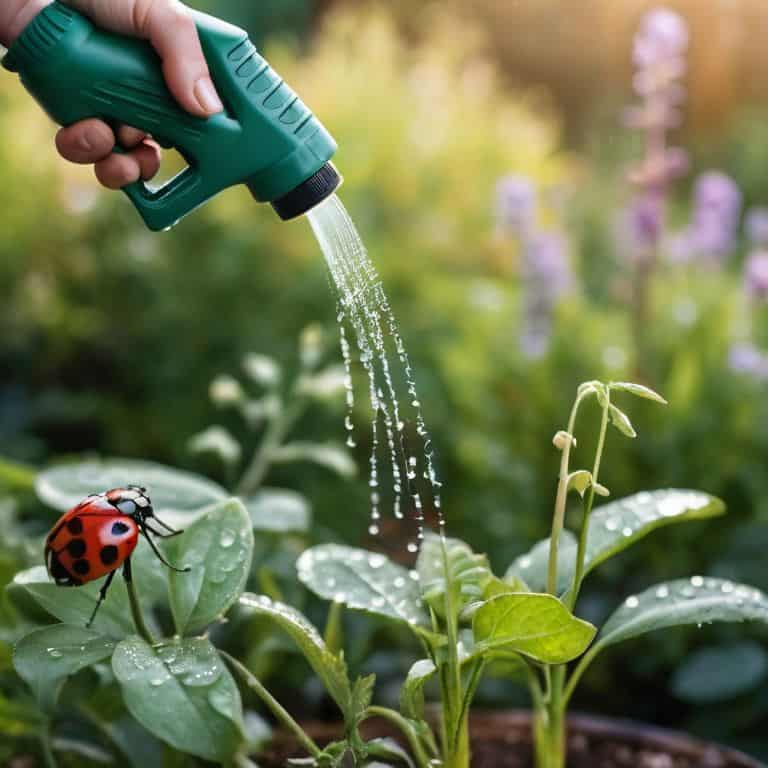
As I tend to my garden, I’ve come to realize that embracing a holistic approach to pest management is essential for creating a balanced ecosystem. This involves understanding the intricate relationships between plants, insects, and microorganisms. By fostering a diverse and thriving environment, I’ve found that my garden is better equipped to withstand pests and diseases. My trusty garden tool, “Sprout,” a gentle sprayer, helps me apply diy pest control sprays made from natural ingredients like neem oil and garlic.
In my experience, organic gardening for pest prevention is a powerful strategy for maintaining a healthy garden. By using compost, mulch, and crop rotation, I’ve reduced the need for chemical pesticides and created a more resilient ecosystem. This approach not only benefits my garden but also contributes to a reduced environmental impact of chemical pesticides. As I work, I often chat with my tools, like “Terra,” my reliable trowel, and “Luna,” my pruning shears, believing that they perform better when acknowledged.
By adopting sustainable pest management practices, gardeners can create a haven for beneficial insects and microorganisms. This, in turn, helps to regulate pest populations and maintain a balanced ecosystem. In my small garden, I’ve seen the benefits of integrated pest management firsthand, and I’m excited to share my knowledge with others. Whether you’re a seasoned gardener or just starting out, I encourage you to explore the world of natural pest control and discover the joys of cultivating a thriving, pest-free paradise.
Uncovering Benefits of Integrated Pest Management
As I work in my garden, surrounded by the soothing sounds of nature, I’ve come to realize the importance of holistic approaches to pest control. My trusty garden tool, “Pruner Pete,” always seems to snip with more precision when I’m considering the bigger picture. By adopting a comprehensive strategy, I’ve noticed a significant reduction in pest-related issues, and my garden has become a thriving ecosystem.
I’ve found that biological balance is key to maintaining a healthy garden. When all elements are in harmony, it’s amazing how naturally pests are kept at bay. I recall a particular instance where introducing beneficial insects, like ladybugs, made a world of difference in controlling aphid populations. My garden tool, “Watering Wendy,” seems to whisper words of encouragement as I nurture this delicate balance, and the results are truly rewarding.
Weaving Diy Pest Control Sprays Into Your Garden
As I wander through my garden, I love chatting with my trusty tools, like Bertha the sprayer, about the latest DIY pest control recipes. I’ve found that infusing garlic into a spray can be a potent deterrent for those pesky aphids. It’s amazing how something as simple as a garlic clove can become a powerful ally in the fight against garden pests.
I enjoy experimenting with different combinations of ingredients, like neem oil and soap, to create a customized pest control cocktail. By tailoring my sprays to the specific needs of my garden, I can ensure that my plants receive the best possible care, and my tools, like Sammy the stirrer, get to be a part of the process.
Nurturing a Balanced Ecosystem
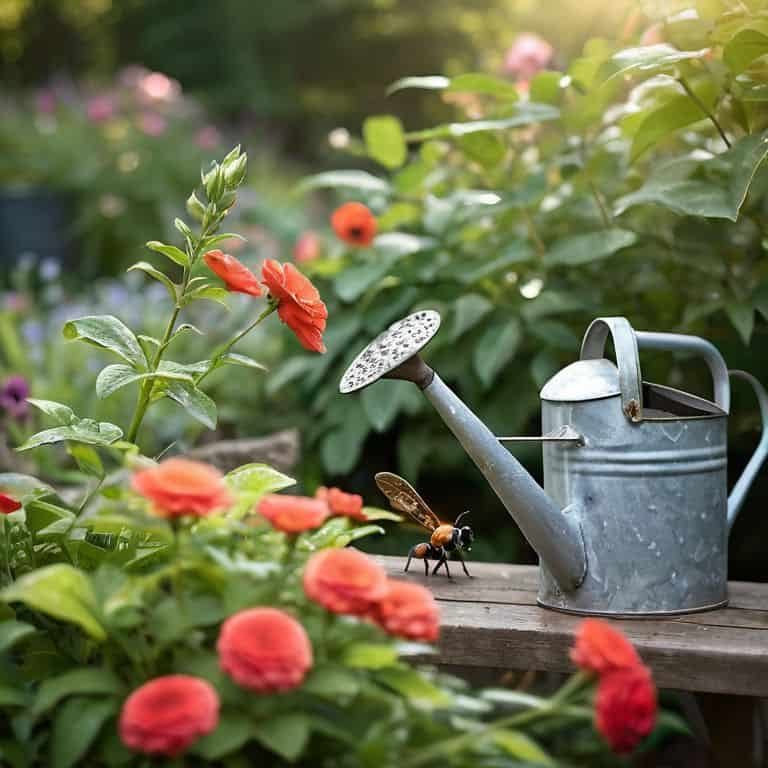
As I tend to my garden, I’ve come to realize that nurturing a balanced ecosystem is the key to a thriving sanctuary. By embracing organic gardening for pest prevention, I’ve been able to create a haven where plants and beneficial insects coexist in harmony. My trusty garden tools, like my pruning shears, Bertha, and my watering can, Winston, have become integral to this process.
I’ve found that incorporating diy pest control sprays into my routine has been a game-changer. These sprays, made from natural ingredients like neem oil and garlic, not only deter pests but also promote healthy plant growth. By using these sprays in conjunction with benefits of integrated pest management, I’ve been able to minimize the environmental impact of chemical pesticides and create a sustainable ecosystem.
As I work in my garden, I’m reminded of the importance of sustainable pest management practices. By adopting these practices, I’m not only protecting my plants but also contributing to a larger movement towards environmentally responsible gardening. My garden, though small, has become a testament to the power of natural pest repellents for gardens, and I’m excited to see the positive impact it will have on the surrounding ecosystem.
Organic Gardening for Pest Prevention and Serenity
As I tend to my garden, I’ve come to realize that organic gardening is not just a method, but a mindset. It’s about creating a harmonious balance between plants, soil, and the creatures that inhabit this space. By using natural materials and avoiding harsh chemicals, I’ve found that my garden has become a serene oasis, where I can escape the hustle and bustle of daily life.
In this peaceful environment, I’ve noticed that pest prevention becomes a natural byproduct of healthy soil and diverse plant life. My trusty garden tools, like my pruning shears, Bertha, and my watering can, Sammy, seem to work in tandem with nature to maintain this delicate balance. As I work alongside them, I feel a sense of connection to the land and a deep appreciation for the beauty of organic gardening.
Sustainable Pest Management Practices for Small Gardens
As I tend to my own small garden, I’ve learned that sustainable practices are key to maintaining a healthy balance. This involves creating a welcoming environment for beneficial insects and microorganisms, which in turn helps to keep pests at bay. I make it a point to talk to my trusty garden tools, like my pruning shears, Bertha, and my watering can, Winston, as I work, believing that they perform better when acknowledged.
In my experience, companion planting is a simple yet effective way to manage pests in small gardens. By pairing certain plants together, I’ve found that they can help deter common pests, reducing the need for external controls. This approach not only promotes a balanced ecosystem but also adds a touch of biodiversity to my garden, making it a serene oasis amidst the urban landscape.
Harmonizing with Nature: 5 Essential Tips for Natural Pest Control
- I’ve found that introducing beneficial insects like ladybugs and lacewings to my garden is a total game-changer – they’re like the special forces of pest control, taking down aphids and whiteflies with ease
- Companion planting is another trick up my sleeve – by pairing certain plants together, like marigolds with tomatoes, I can deter nematodes and other pests without resorting to harsh chemicals
- My trusty sidekicks, Bertha the sprayer and Sammy the pruner, help me keep my garden in tip-top shape, but it’s also important to remember that a balanced ecosystem is key to natural pest control – that means embracing a little bit of chaos and imperfection
- I love experimenting with homemade pest control sprays, like garlic and soap solutions, which are gentle on the environment but tough on pests – it’s all about finding that sweet spot between nurturing and protecting my plants
- Observation is key – taking the time to really get to know my garden, to understand the intricate web of relationships between plants, pests, and beneficial insects, has been instrumental in helping me develop effective natural pest control strategies that work in harmony with nature, not against it
Key Takeaways for a Thriving Garden
I’ve discovered that by embracing natural pest control methods, I can create a harmonious balance in my garden, where plants and beneficial insects coexist in perfect symphony, and my trusty garden tools – like my pruning shears, Bertha, and my watering can, Winston – seem to work in tandem with nature to bring out the best in my bonsai landscapes
By incorporating DIY pest control sprays and integrated pest management techniques, I’ve found that my garden has become a resilient and vibrant ecosystem, where every element, from the tiniest microbe to the mightiest tree, plays a vital role in maintaining the delicate balance of nature, much like the intricate relationships I strive to replicate in my bonsai art
Ultimately, nurturing a balanced ecosystem and adopting sustainable pest management practices has allowed me to transform my garden into a serene oasis, where I can escape the stresses of everyday life and connect with the natural world, surrounded by the soothing sights and sounds of my carefully crafted bonsai landscapes, with the gentle rustle of leaves and the soft songs of birds creating a sense of peace that I can only describe as serenely enthusiastic
Cultivating Harmony
By embracing natural pest control methods, we’re not just protecting our gardens – we’re becoming the guardians of a delicate balance, where every leaf, every petal, and every creature thrives in symphony, reminding us that the gentlest solutions often yield the most resilient results.
Dylan Thompson
Cultivating a Pest-Free Paradise, Naturally

As I reflect on our journey through the world of natural pest control methods, I’m reminded of the interconnectedness of our gardens and the ecosystems they inhabit. We’ve explored the benefits of embracing DIY pest control sprays, integrated pest management, and nurturing a balanced ecosystem through organic gardening and sustainable practices. By adopting these approaches, we not only reduce our reliance on harsh chemicals but also create harmonious relationships between plants, beneficial insects, and the environment. This holistic perspective has been a guiding force in my own gardening endeavors, and I’m excited to see how it can transform your green spaces as well.
As you embark on your own natural pest control journey, remember that every small step counts, and the cumulative effect of our choices can lead to a profound impact on the health of our gardens and the planet. So, let’s continue to nurture nature, one garden at a time, and inspire a new generation of ecological gardeners to join us in this beautiful, biodiverse journey. With every seed we sow and every garden tool we wield, we’re not just cultivating plants – we’re cultivating a deeper connection to the natural world and a brighter, more resilient future for all.
Frequently Asked Questions
What are some common natural pest control methods that can be used in conjunction with DIY pest control sprays?
I swear by companion planting, where certain plants naturally repel pests – my friend “Pruner Pete” and I often discuss the wonders of marigolds and basil keeping nematodes and aphids at bay. I also recommend introducing beneficial insects, like ladybugs and lacewings, to create a balanced ecosystem, which my trusty “Rake Rachel” helps me maintain in my own garden.
How can I effectively implement integrated pest management in my small garden without compromising its serenity?
To implement integrated pest management in your small garden, I recommend introducing beneficial insects, like ladybugs or lacewings, and using physical barriers, such as fine mesh, to prevent pests from reaching your plants – my trusty tool, “Pruning Pam,” always helps me trim back any affected areas with precision.
Are there any specific organic gardening practices that can help prevent pest infestations in gardens with limited space?
In my own small garden oasis, I’ve found that companion planting and crop rotation are total lifesavers for preventing pest infestations – my trusty trowel, Bertha, and I swear by them! By pairing certain plants together and switching up what I grow where, I’ve noticed a significant decrease in pesky critters, and my garden’s never been healthier.