








Creating a Cooking Space for Kids: Tips and Ideas
 August 13, 2025
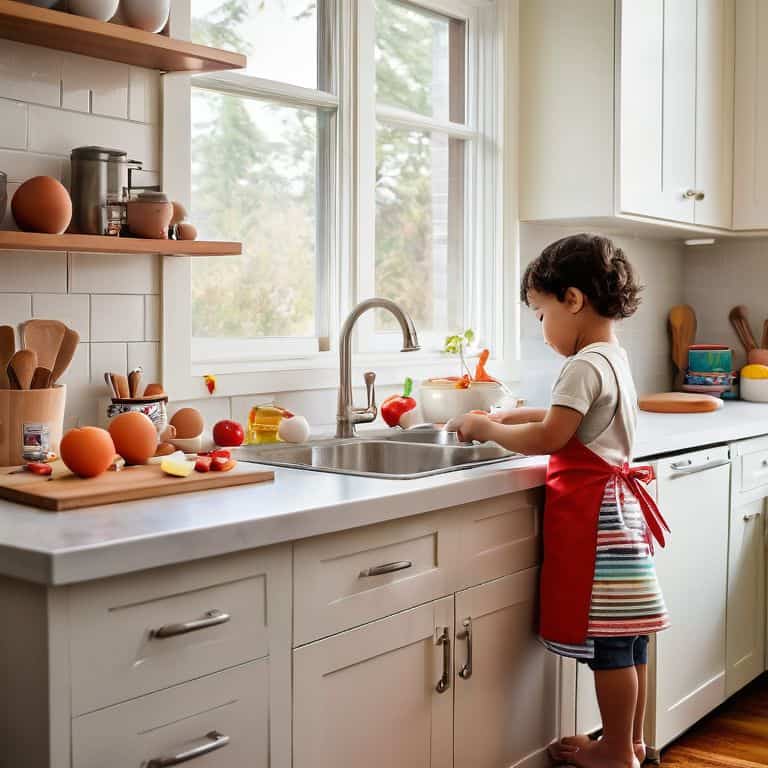
I still remember the Sunday afternoons I spent in the kitchen with my grandparents, learning the secrets of our family’s traditional recipes. As a family therapist, I’ve seen how kids cooking space can be a game-changer for families, fostering a sense of togetherness and creating lasting memories. However, I’ve also heard many parents complain that setting up a kids cooking space is a daunting task, requiring a lot of space and expensive equipment. But the truth is, it’s not about having a fancy kitchen or a lot of money – it’s about creating a warm and inviting space where your kids can feel comfortable and encouraged to explore their culinary creativity.
In this article, I’ll share my personal experience and expertise to help you create a kids cooking space that works for your family. You’ll learn how to choose the right tools and equipment, design a functional and safe space, and make cooking a fun and enjoyable experience for your kids. I’ll also provide you with practical tips and ideas on how to get your kids involved in the cooking process, from meal planning to cooking and cleaning up. By the end of this article, you’ll be equipped with the knowledge and confidence to create a kids cooking space that will become the heart of your home, where your family can gather, cook, and make memories together.
Table of Contents
- Guide Overview: What You'll Need
- Step-by-Step Instructions
- Nurturing Kids Cooking Space
- Cozying Up the Kitchen: 5 Tips for a Kid-Friendly Cooking Space
- Key Takeaways for Creating a Warm and Inviting Kids' Cooking Space
- A Recipe for Memories
- Embracing the Joy of Cooking Together
- Frequently Asked Questions
Guide Overview: What You'll Need
Total Time: 2 hours 30 minutes
Estimated Cost: $100 – $200
Difficulty Level: Intermediate
Tools Required
- Tape Measure for measuring space
- Level to ensure even surfaces
- Drill with screwdriver bits
- Saw for cutting wood to size
- Sandpaper for smoothing out surfaces
Supplies & Materials
- 2-in x 4-in lumber for shelving and framework
- Plywood for countertop and shelves
- Paint for decorating the space
- Wall Hooks for hanging utensils and accessories
- Kid-Friendly Appliances such as a toaster or microwave
Step-by-Step Instructions
- 1. First, let’s start by designating a special area for our kids’ cooking space, which could be a corner of the kitchen, a section of the counter, or even a small table. I just love watching my kids get creative in their own special cooking space – it’s amazing how it brings us all together! When choosing the area, consider the safety and accessibility of the space, ensuring it’s close to necessary amenities like the sink and stove.
- 2. Next, we need to clear the clutter and make sure the space is clean and organized. This means getting rid of any unnecessary items that might be taking up valuable space or creating a hazard. I like to involve my kids in this process, teaching them the importance of a tidy workspace and how it can help them stay focused and creative in the kitchen. We can use baskets, bins, and other storage containers to keep utensils, ingredients, and cooking supplies within easy reach.
- 3. Now, let’s think about the essential tools and equipment our kids will need to get started with cooking. This might include a kid-friendly knife, a small cutting board, a mixing bowl, and a set of measuring cups and spoons. I’ve found that investing in a few high-quality, durable tools can make all the difference in encouraging our kids to experiment with new recipes and cooking techniques. We can also consider adding some fun and colorful accessories, like a set of silicone spatulas or a kid-friendly apron.
- 4. To make the space even more inviting, let’s add some personal touches that reflect our kids’ personalities and interests. This could be a fun kitchen-themed poster, a set of colorful plates or cups, or even a small herb garden that they can tend to and use in their cooking. I love seeing my kids’ faces light up when they’re surrounded by things that make them happy and inspired. We can also display some of their favorite cookbooks or recipes, or create a bulletin board for them to share their own cooking creations.
- 5. Once we have the basics covered, it’s time to think about safety precautions and how we can ensure our kids are protected while cooking. This might include installing a stool or step-stool to help them reach the counter, investing in a kid-friendly oven mitt, or teaching them how to properly handle hot pans and sharp objects. I’ve found that open communication and clear guidelines are key to helping our kids develop good safety habits in the kitchen. We can also create a list of emergency contact numbers and basic first aid supplies, just in case.
- 6. Now that our kids’ cooking space is set up, let’s talk about engaging recipes and activities that will keep them excited and motivated to cook. This might include simple recipes like making trail mix, baking cookies, or preparing a salad. I love watching my kids experiment with new ingredients and flavors, and seeing the pride they take in creating something delicious and nutritious. We can find plenty of kid-friendly recipes online or in cookbooks, or even create our own family recipe book filled with favorite dishes and traditions.
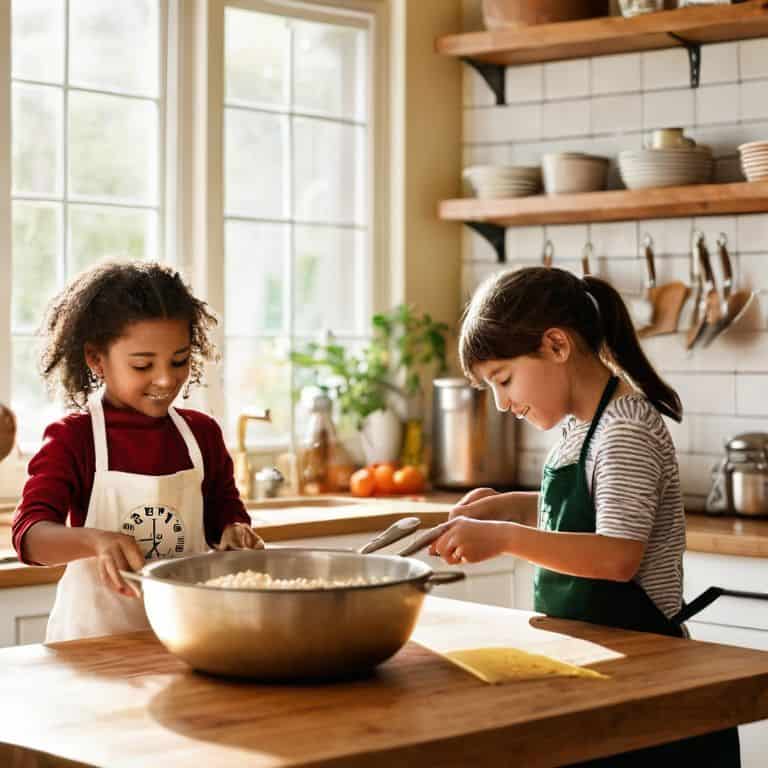
- 7. Finally, let’s not forget the importance of making it fun and enjoying the process of cooking together as a family. This might mean setting aside dedicated time each week to cook together, trying new recipes and ingredients, or even hosting a family cooking competition. I’ve found that when we make cooking a positive and enjoyable experience, our kids are more likely to develop a lifelong love of cooking and healthy eating. We can play music, tell stories, and share laughter while we cook, creating memories that will last a lifetime.
Nurturing Kids Cooking Space
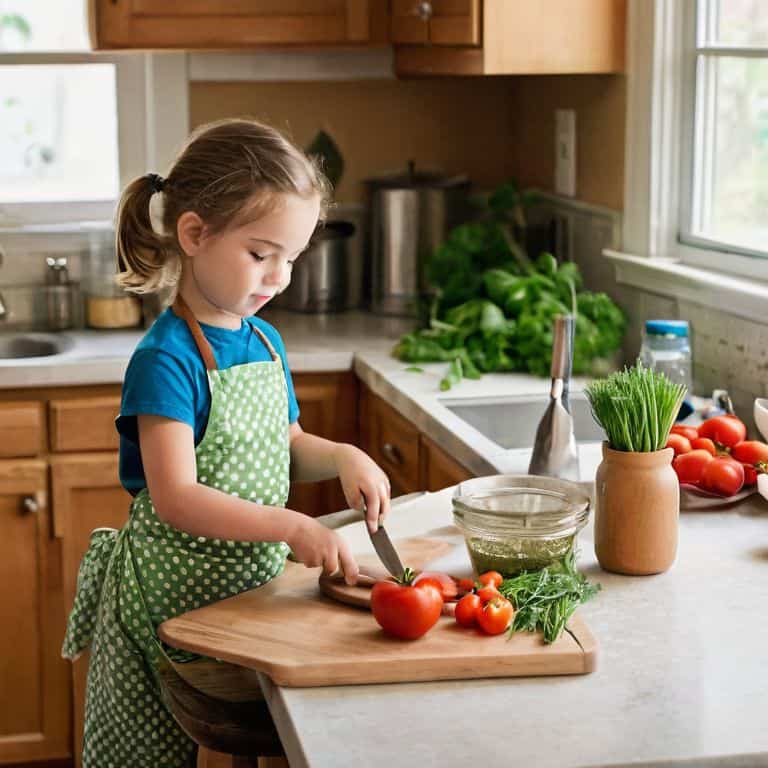
As I reflect on my own childhood, I remember spending hours in the kitchen with my parents, learning the ins and outs of cooking and baking. It’s a tradition I’ve carried on with my own kids, and I’ve found that having a well-designed kitchen area has been instrumental in making this possible. When it comes to kid friendly kitchen gadgets, it’s essential to strike a balance between fun and safety. I’ve invested in a few safe cooking tools for children, such as plastic utensils and a kid-sized cutting board, which have given my kids the confidence to take on simple recipes.
One of my favorite things to do with my kids is to explore easy recipes for kids to cook, like simple salads or sandwiches. It’s amazing how much they can learn and grow from these experiences. As we cook together, I also make sure to emphasize kitchen safety rules for kids, such as washing hands and staying away from hot surfaces. It’s crucial to create an environment where kids feel comfortable and empowered to take on new challenges.
In our kitchen, we’ve also made a point to create a kid friendly pantry by storing healthy snacks and ingredients at eye-level, making it easy for my kids to grab what they need. This has encouraged them to take ownership of their cooking and make healthier choices. By making these small changes, we’ve been able to turn cooking into a fun, family affair that brings us all closer together.
Designing Safe Cooking Areas
As I think about designing a safe cooking area for kids, I’m reminded of my own childhood memories in the kitchen with my grandmother. She always made sure I was at a comfortable height and had easy access to the tools I needed. To recreate this for your little ones, consider investing in a sturdy step-stool or a kid-friendly kitchen island that brings them to counter height. This simple adjustment can make a world of difference in their ability to participate and learn.
By creating a safe and accessible space, you’re not only teaching your kids valuable cooking skills, but also fostering a sense of independence and confidence. I love seeing my own kids take ownership of their cooking tasks, and I’m sure you will too! With a little creativity and planning, you can design a cooking area that’s both safe and enjoyable for your kids to explore.
Gathering Kid Friendly Kitchen Gadgets
As I watch my kids explore the world of cooking, I’m reminded of the importance of having the right tools to spark their creativity. Gathering kid-friendly kitchen gadgets is a great way to nurture their interest and make the experience enjoyable. I love seeing my little ones’ faces light up when they use their own special utensils, like a child-sized whisk or a set of colorful measuring cups.
These small touches can make a big difference in encouraging them to get involved in the cooking process. I’ve also found that adaptive gadgets, such as easy-grip handles and simple-to-use utensils, can be a huge help for younger kids or those with special needs. By providing the right tools, we can empower our children to take ownership of their cooking space and develop a lifelong love for culinary exploration.
Cozying Up the Kitchen: 5 Tips for a Kid-Friendly Cooking Space
- I love creating a sense of excitement and ownership in my kids by letting them help with meal planning and grocery shopping – it’s amazing how it gets them invested in the cooking process!
- Designate a special ‘kids’ zone’ in your kitchen with fun, colorful utensils and gadgets that make them feel like they’re really contributing to the cooking experience
- Make safety a priority by installing safety locks on cabinets and drawers, and keeping hazardous materials out of reach – it’s all about creating a space where kids can explore and learn without worry
- Encourage kids to get creative with recipes and ingredients – it’s a great way to teach them about measurements, fractions, and following instructions, all while having a blast
- Set up a kid-friendly cooking station with a stool or step-stool, so your little ones can reach the counter and participate in cooking tasks without feeling left out or struggling to keep up
Key Takeaways for Creating a Warm and Inviting Kids' Cooking Space
I’ve found that designing a cooking space with kids in mind can be a powerful way to bring our families closer together, fostering a sense of togetherness and cooperation that extends far beyond the kitchen
By gathering kid-friendly kitchen gadgets and designing safe cooking areas, we can empower our children to develop a lifelong love of cooking and nutrition, while also creating a sense of independence and confidence
Through my own experiences and those of the families I’ve worked with, I’ve seen firsthand the impact that a well-designed kids’ cooking space can have on family dynamics, and I believe that with a little creativity and planning, we can create spaces that nourish both body and soul
A Recipe for Memories
As I watch children gather in their own special cooking space, I’m reminded that the kitchen is more than just a room – it’s a bridge that connects us to our past, our culture, and each other, fostering a sense of belonging and togetherness that’s essential to our well-being.
Laura Bennett
Embracing the Joy of Cooking Together
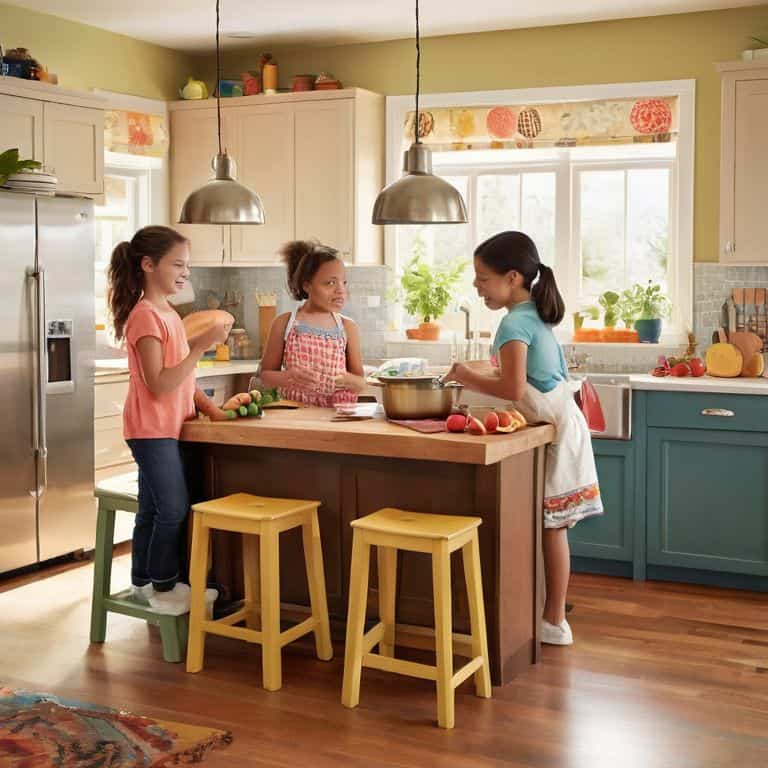
As we’ve explored the world of kids’ cooking spaces, it’s clear that creating a warm and inviting area for our little ones to experiment with recipes is about more than just following a set of instructions. It’s about nurturing a sense of community and fostering a love for cooking that will last a lifetime. From gathering kid-friendly kitchen gadgets to designing safe cooking areas, every detail matters in making this space a hub of activity and connection for our families. By investing time and effort into our kids’ cooking spaces, we’re not just teaching them a valuable skill, but also showing them the importance of quality time and shared experiences.
As we conclude our journey into the heart of kids’ cooking spaces, I want to leave you with a final thought: the true magic happens not in the recipes or the gadgets, but in the moments we share around the cooking island, the laughter, and the stories that unfold as we mix, measure, and savor together. So, let’s cherish these moments, pass down our traditions, and create new ones, knowing that the memories we make in our kids’ cooking spaces will be the greatest recipe of all.
Frequently Asked Questions
How can I ensure my kids' cooking space is safe and accident-free?
To ensure their cooking space is safe, I always advise parents to supervise closely, especially when it comes to sharp objects and heat. Soft-close drawers and kid-friendly utensils can also make a big difference. Plus, teaching your little ones basic kitchen safety rules, like washing hands and handling hot pans with care, can give you peace of mind while they explore their culinary creativity.
What are some fun and easy recipes to get my kids started with cooking?
I just love sharing family recipes with my kids! Some fun and easy ones to get them started are simple pasta dishes, homemade pizzas, and our favorite, banana bread. I’ve even included these in a special cookbook I made for them, filled with notes and stories from our own family traditions.
How can I encourage my kids to take ownership of their cooking space and develop a passion for cooking?
I’ve found that involving my kids in the process of creating their own cooking space really sparks their enthusiasm. Let them help with decorating, choosing utensils, and even picking out a few favorite recipes to try. This sense of ownership and autonomy can be a powerful motivator, making them more excited to get cooking and try new things.