









Energy-efficient Heating Solutions for a Cozy Home
 March 3, 2026
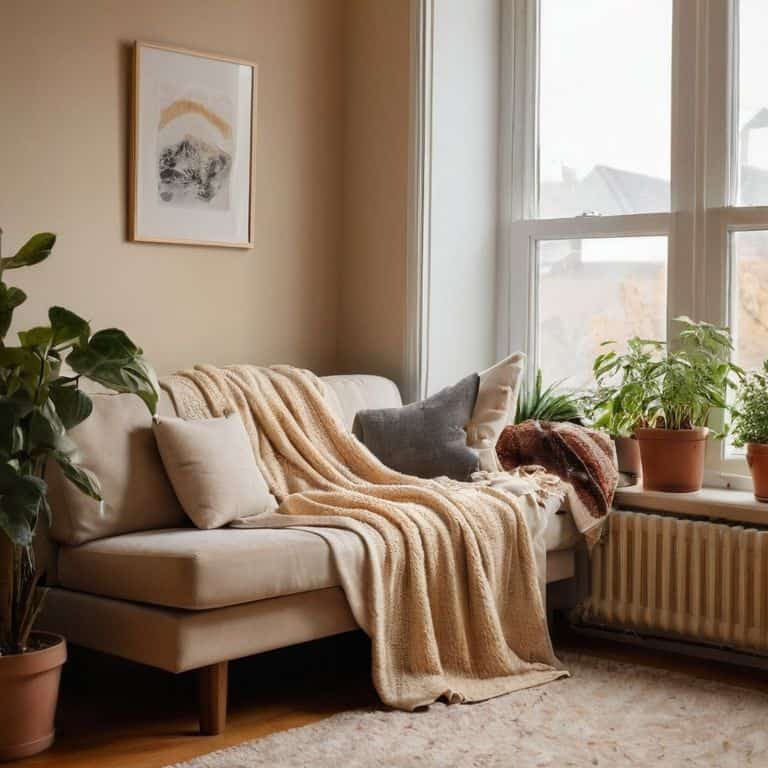
I still remember the first time I walked into a historic home that had been retrofitted with energy-efficient heating. The once-grand foyer, with its beautifully restored wooden staircase, was now warmed by a sleek, modern system that seemed almost out of place. As someone who’s passionate about preserving the character of old homes, I was skeptical at first, but the owner’s story of how the new system had reduced their energy bills while maintaining the historic charm of the house really resonated with me.
As an interior decorator, I’ve seen my fair share of misguided attempts at modernizing old homes, and I believe that energy-efficient heating should be about more than just slapping a new system into an old space. It’s about understanding the nuances of the home’s original design and finding ways to complement its unique character. In this article, I’ll share my experience-based advice on how to bring energy-efficient heating to your vintage sanctuary, without sacrificing its historic charm. I’ll cut through the hype and provide you with practical, no-nonsense guidance on how to make your old home warm, welcoming, and environmentally friendly.
Table of Contents
Energy Efficient Heating
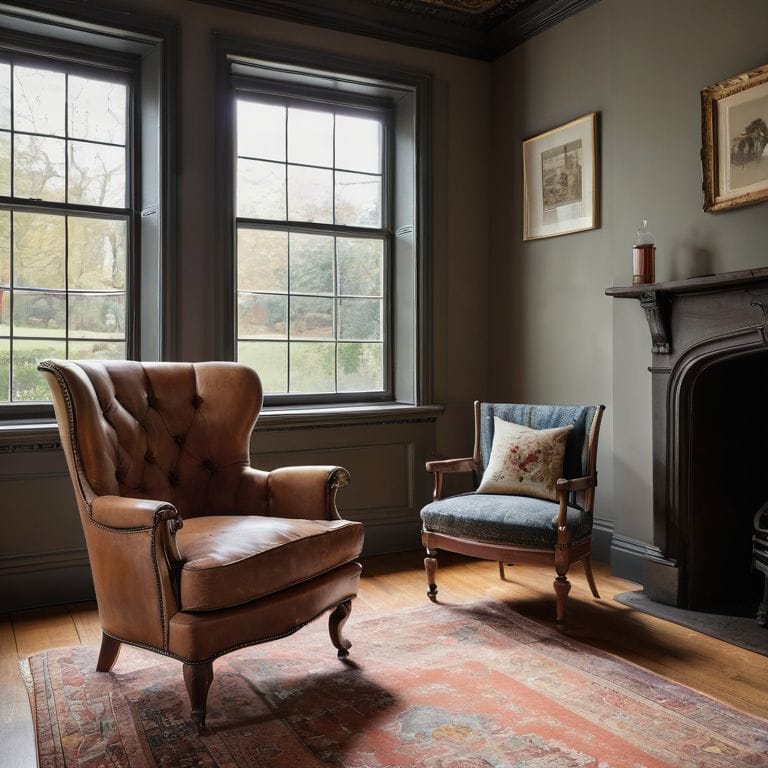
As I delve into the world of passive house heating systems, I’m reminded of the meticulous restoration of my grandfather’s antique furniture pieces, like “Napoleon” – a beautifully crafted, 19th-century armchair. The attention to detail and care that went into preserving its historical charm is similar to the approach needed when integrating modern heating solutions into vintage homes. It’s about striking a balance between old and new, ensuring that the character of the space remains intact while embracing the benefits of innovation.
When it comes to warming the heart of history, infrared heating panels have become a favorite of mine. Not only do they provide a cost-effective and environmentally friendly solution, but they also allow for a more discreet installation, preserving the aesthetic integrity of the space. I’ve seen them work beautifully in tandem with radiant floor heating benefits, creating a cozy and inviting atmosphere that’s perfect for relaxing in a vintage sanctuary.
In my experience, the key to successful integration lies in understanding the unique needs of each space. Whether it’s the geothermal heating costs or the feasibility of solar thermal heating systems, every project requires a tailored approach. By considering these factors and exploring various options, we can create warm, welcoming environments that not only honor the past but also inspire the future.
Infrared Panels for Historic Charm
As I work on restoring vintage furniture, I often think about how historic charm can be preserved in the most unexpected ways, including through heating solutions. Infrared panels, for instance, offer a discreet and efficient way to warm up historic homes without altering their original architecture. I’ve seen these panels seamlessly integrated into old homes, providing a comfortable temperature without disrupting the aesthetic.
I’ve named one of my favorite restored pieces, a beautifully crafted wooden bench, after Alexander Graham Bell, and I imagine him approving of the innovative use of infrared panels in historic settings. These panels can be mounted on walls or ceilings, making them a great option for rooms with limited floor space, and they come in a variety of designs to suit different decor styles, from modern to traditional, allowing them to blend in while still providing efficient heating.
Warming Vintage Homes With Geothermal
As I delve into the world of energy-efficient heating, I find myself particularly drawn to geothermal systems for vintage homes. There’s something inherently poetic about harnessing the earth’s natural heat to warm the spaces that hold so many memories. I’ve seen it bring new life to old homes, much like my beloved “Napoleon” – a vintage armchair I restored to its former glory.
In my experience, geothermal heating offers a unique blend of efficiency and elegance, perfectly suited for vintage sanctuaries. It not only reduces the environmental footprint but also provides a consistent, gentle warmth that complements the character of older homes, making them feel cozy and inviting once again.
Sustainable Heating Solutions
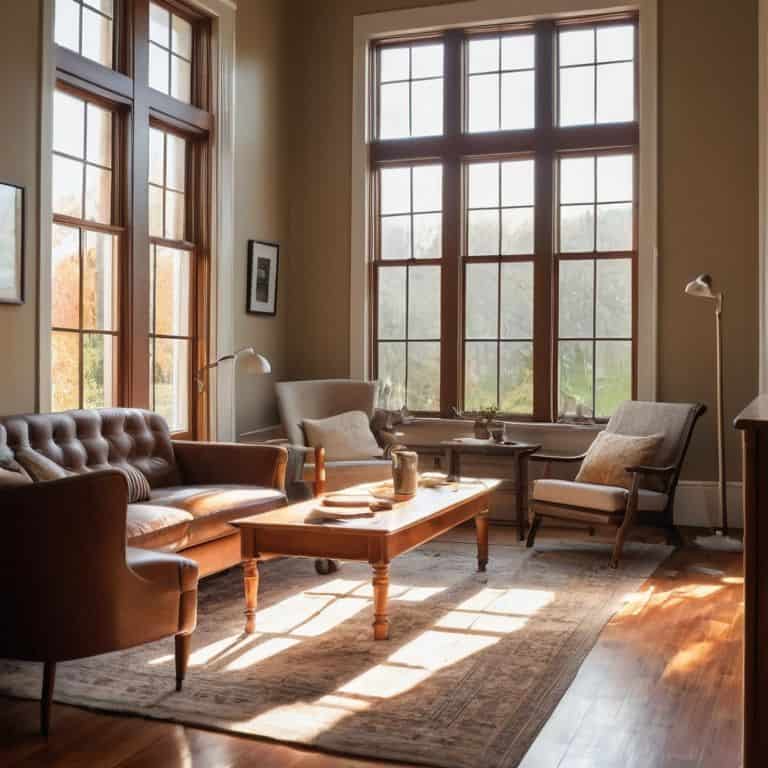
As I delve into the world of sustainable heating solutions, I’m reminded of the meticulous craftsmanship my grandfather employed in his workshop, where every restored piece of furniture told a story of its own. Similarly, passive house heating systems have the potential to revolutionize the way we think about warming our homes, by minimizing heat loss and maximizing comfort. I’ve had the pleasure of working with clients who’ve incorporated such systems into their historic homes, and the results are nothing short of remarkable.
One of the most fascinating aspects of sustainable heating is the use of infrared heating panels, which can be discreetly integrated into a room’s design, providing a warm and cozy ambiance without compromising the aesthetic appeal of the space. I recall a particular project where I named a beautifully restored armchair “Napoleon” – it was the perfect complement to the radiant floor heating benefits we had installed, creating a snug and inviting atmosphere that seemed to transport occupants to a bygone era.
In my experience, the key to successful sustainable heating lies in striking a balance between form and function. By carefully selecting materials and systems that not only reduce our carbon footprint but also enhance the overall character of a room, we can create spaces that are both high-efficiency and historically sensitive. Whether it’s a vintage home or a modern sanctuary, the goal remains the same: to craft an environment that tells a story, while also embracing the possibilities of the future.
Passive House Systems for Tomorrow
As I delve into the world of energy-efficient heating, I find myself drawn to passive house systems that not only reduce our carbon footprint but also create a cozy atmosphere in our homes. These systems are designed to work in harmony with the natural environment, utilizing the sun’s rays and the earth’s heat to warm our living spaces. I’ve had the pleasure of restoring a vintage armchair, which I’ve named “Hemingway,” and placing it in a room with a passive house system – it’s amazing how the gentle warmth brings out the character of the wood.
In my experience, efficient insulation is key to making passive house systems work seamlessly. By ensuring that our homes are well-insulated, we can retain the warmth and reduce our reliance on external heating sources. This approach not only saves energy but also helps to preserve the historic charm of our vintage sanctuaries, allowing us to enjoy them for generations to come.
Radiant Floor Heatings Hidden Benefits
As I delve into the world of energy-efficient heating, I find myself drawn to the understated charm of radiant floor heating. It’s a method that not only warms the space but also provides a sense of comfortable serenity, making it perfect for vintage homes where preserving the original character is paramount. I’ve seen it work beautifully in historic properties, where the subtle warmth it provides can make all the difference in creating a cozy atmosphere.
In my experience, one of the hidden benefits of radiant floor heating is its ability to reduce dust and allergens in the air, making it a great option for families with pets or young children. This aspect, combined with its energy efficiency, makes it an attractive choice for those looking to create a warm and welcoming space that also respects the environment.
Bringing Warmth to the Past: 5 Essential Tips for Energy-Efficient Heating
- Embrace the Power of Insulation: Just like my grandfather used to say, ‘A well-insulated home is like a well-kept secret, it retains its charm and its heat’
- Let the Sun Shine In: Harnessing natural light and heat through strategic window placement can make a world of difference in vintage homes, don’t you think?
- Geothermal Glamour: Tapping into the earth’s natural warmth is not only eco-friendly but also a sophisticated way to heat your historic haven
- Panel with a Purpose: Infrared panels are a sleek and efficient way to bring warmth to those chilly winter nights, and they fit seamlessly into any nostalgic rustic elegance decor
- Flooring for the Future: Radiant floor heating is more than just a modern convenience, it’s a way to breathe new life into old homes, and I just love how it can be hidden beneath the beauty of restored vintage flooring
Timeless Warmth: 3 Key Takeaways
I’ve found that blending energy-efficient heating solutions with vintage homes not only reduces our carbon footprint but also preserves the unique character of these historic sanctuaries, much like my beloved ‘Napoleon’ armchair, which I restored to its former glory
From geothermal systems to infrared panels and radiant floor heating, the array of sustainable heating options available today allows homeowners to choose the method that best complements their home’s architecture and their personal story, weaving a narrative of innovation and tradition
Ultimately, the pursuit of energy-efficient heating in vintage homes is a testament to our capacity to honor the past while embracing the future, creating spaces that are not only warm and inviting but also tell a story of stewardship and foresight, much like the tale of ‘Marie Antoinette’, my meticulously restored vintage dresser
A Timeless Approach to Warmth
As we strive to make our homes more energy-efficient, let’s not forget that the true warmth of a space comes not just from its heating system, but from the stories it tells and the memories it helps create – a balance of innovation and nostalgia that I believe is the key to crafting truly unforgettable interiors.
Michael Thompson
Embracing the Future of Heating
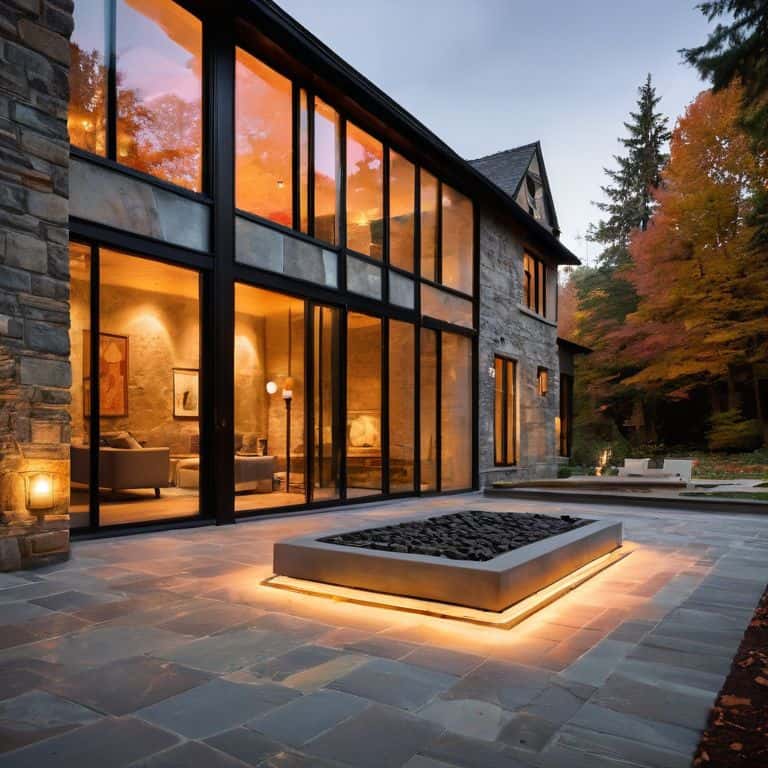
As I reflect on our journey through the world of energy-efficient heating, I’m reminded of the beauty of blending past and present. We’ve explored geothermal systems that warm vintage homes with the earth’s natural heat, and discovered how infrared panels can preserve historic charm while reducing our carbon footprint. We’ve also delved into passive house systems and the hidden benefits of radiant floor heating, each offering a unique approach to sustainable living. Whether you’re restoring a century-old mansion or building a modern eco-friendly home, the key is finding a balance between energy efficiency and aesthetic appeal.
As we move forward, let’s not forget that our choices today will shape the tomorrow of our homes. By embracing energy-efficient heating solutions, we’re not only reducing our environmental impact but also creating spaces that tell stories. My grandfather’s workshop, where I first fell in love with restoring vintage furniture, taught me that every piece has a character and a history. Similarly, our homes can be testaments to our values and our connection to the past, while still being beacons of innovation. So, let’s continue to push the boundaries of what’s possible, and make our homes sanctuaries of sustainability and style.
Frequently Asked Questions
How can I determine the most energy-efficient heating solution for my vintage home without compromising its historic character?
To find the perfect fit for your vintage home, consider its unique architecture, insulation, and your personal comfort preferences. I like to think of it as finding a harmonious match, much like pairing a beautifully restored Victorian armchair, which I’ve named ‘Winston’ after Churchill, with its ideal surroundings – it’s all about balance and character.
What are the potential cost savings of switching to energy-efficient heating systems, and are there any incentives for homeowners who make the switch?
I’ve seen clients save up to 50% on their heating bills by switching to energy-efficient systems. Plus, many governments offer incentives, like tax credits or rebates, to encourage the adoption of eco-friendly heating solutions – a win for both their wallets and the environment.
Can energy-efficient heating systems, such as geothermal or infrared panels, be effectively integrated with existing radiators or heating systems in older homes?
I’ve found that integrating energy-efficient systems with existing radiators can be a beautiful marriage of old and new. For instance, pairing geothermal with vintage radiators or using infrared panels to supplement traditional heating can not only reduce energy consumption but also preserve the historic charm of older homes, like my beloved “Napoleon” – a restored 19th-century cast-iron radiator.