









The Art of Vertical Gardening: Maximizing Space and Beauty
 June 18, 2025
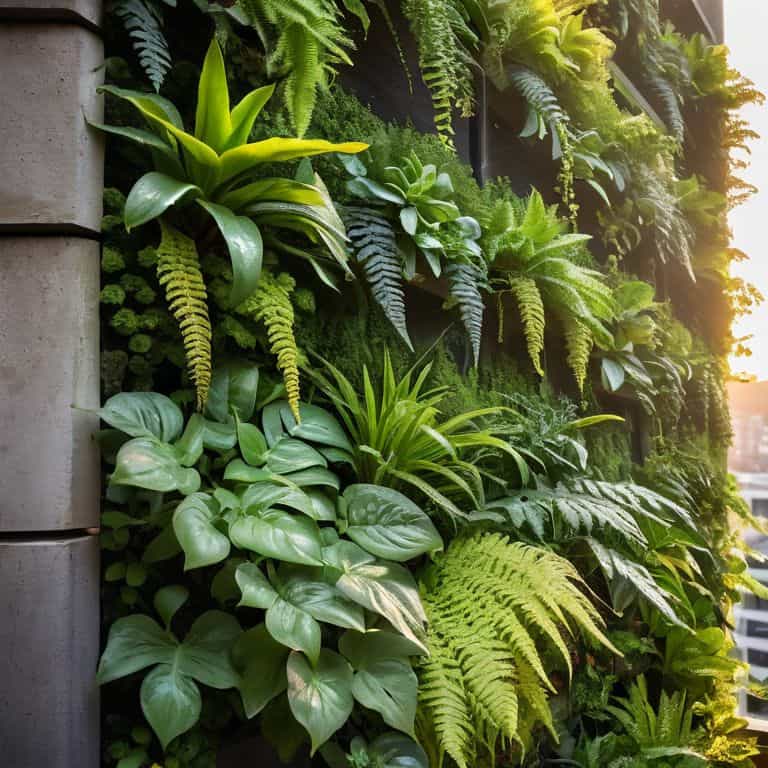
As I stood in my backyard, surrounded by the lush greenery of my vertical gardening masterpiece, I couldn’t help but think about the common myth that it’s a high-maintenance endeavor. I’ve lost count of how many friends and family members have told me they’d love to try their hand at vertical gardening, but are intimidated by the perceived complexity. The truth is, with the right tools and a little bit of know-how, anyone can create a stunning vertical garden that brings a touch of serenity to even the most urban of spaces. I’ve spent years perfecting my craft, and I’m excited to share my expertise with you, so you can enjoy the beauty of vertical gardening in your own home.
In this article, I’ll take you by the hand and guide you through the process of creating your own breathtaking vertical garden. You’ll learn how to choose the perfect plants, design a layout that suits your style, and maintain your garden with ease. I’ll share my personal favorites, from the trusty trowel I’ve named “Bertha” to the irrigation system that’s made my life as a gardener so much simpler. By the end of this journey, you’ll be equipped with the knowledge and confidence to turn any blank wall into a lush oasis, and I couldn’t be more thrilled to be a part of your vertical gardening adventure.
Table of Contents
Guide Overview: What You'll Need
Total Time: 4 hours 30 minutes
Estimated Cost: $50 – $100
Difficulty Level: Intermediate
Tools Required
- Drill (with screwdriver and drill bits)
- Measuring Tape
- Level
- Pencil
- Utility Knife (with extra blades)
- Hammer
Supplies & Materials
- 2-in x 6-in lumber (for frame)
- Wood Screws (1 inch and 2 inches)
- Wood Glue
- Soil
- Plants (of your choice)
- Irrigation System (optional)
- Trellis (optional)
- Pockets or Planters (for vertical planting)
- Wire (for support)
Step-by-Step Instructions
- 1. First, let’s start with choosing the right location for our vertical garden. I like to think of it as finding the perfect spot to create a lush oasis in the midst of the bustling city. Consider the amount of sunlight the area receives, as most plants require at least 4-6 hours of direct sunlight per day. My trusty garden tool, Sunny the sundial, always helps me determine the perfect spot.
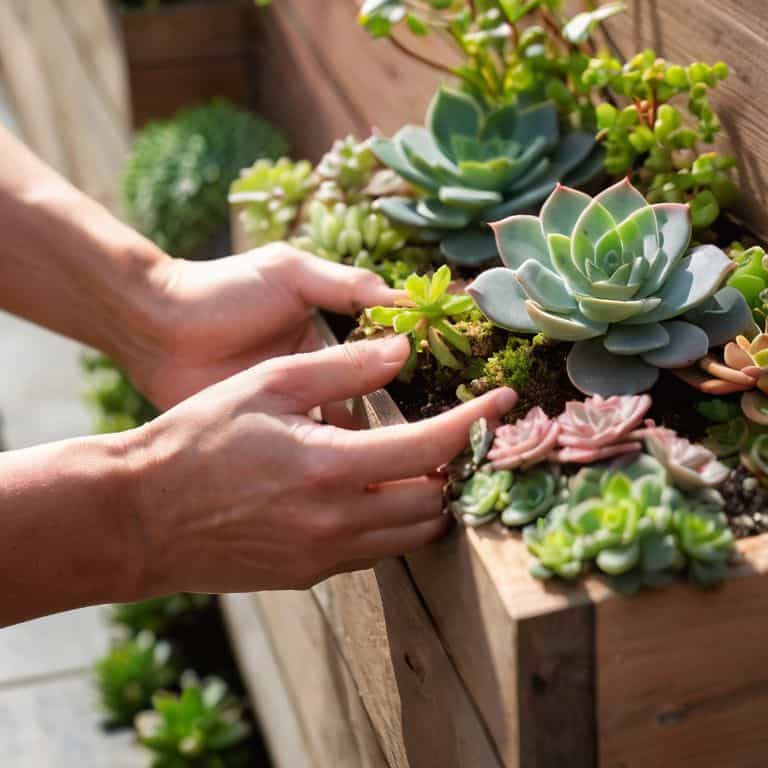
- 2. Next, we need to select the perfect plants for our vertical garden. I’m particularly fond of using a mix of low-maintenance plants like succulents and herbs, which not only add a touch of greenery but also provide a fragrant aroma. My garden shears, Pruney, are always by my side as I carefully prune and shape the plants to fit our vertical garden design.
- 3. Now, let’s move on to preparing the vertical gardening system. I recommend using a trellis or a wall-mounted planter, which can be easily attached to a fence or a wall. My drill, Drilly, is always ready to help me secure the system in place. Make sure to choose a system that is sturdy and can support the weight of the plants and soil.
- 4. With our system in place, it’s time to add the soil and plants. I like to use a well-draining potting mix that is specifically designed for vertical gardens. My trowel, Trowely, is perfect for scooping and spreading the soil evenly. Gently place the plants in the soil, making sure not to compact the soil too much.
- 5. As we continue to build our vertical garden, it’s essential to install an irrigation system. I recommend using a drip irrigation system, which delivers water directly to the roots of the plants, reducing evaporation and runoff. My watering can, Watty, is always happy to help me water the plants, but with an irrigation system, we can ensure that our plants receive the right amount of water at all times.
- 6. To add some extra visual interest to our vertical garden, let’s incorporate some decorative elements. I like to use natural materials like bamboo or wood to create a unique and rustic look. My saw, Sawy, is always ready to help me cut and shape the materials to fit our design. We can also add some decorative rocks or pebbles to the soil to create a beautiful, textured look.
- 7. Finally, let’s not forget to maintain our vertical garden. I like to think of it as giving our plants a little TLC. My garden fork, Forky, is always ready to help me loosen the soil and remove any dead or dying plants. Regular pruning and watering will keep our plants healthy and thriving, and with a little patience and care, our vertical garden will become a lush oasis in the heart of the city.
Unlocking Vertical Gardening
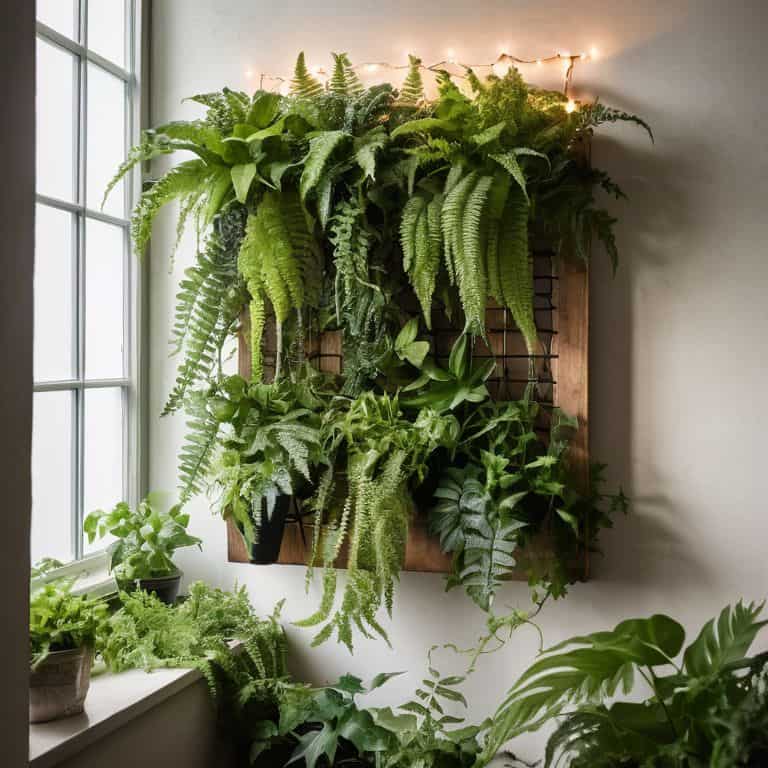
As I tend to my own indoor vertical garden systems, I’m reminded of the importance of choosing the right plants for the job. Some of my favorites, like ferns and ivy, thrive in these conditions and add a touch of elegance to any room. When it comes to diy trellis ideas for small spaces, I always recommend keeping it simple and using materials like twine or wire to create a unique, rustic look.
One of the most common challenges people face when creating their own living walls is proper irrigation. It’s essential to find a balance between giving your plants enough water and avoiding over-saturation, which can lead to root rot and other issues. I’ve found that using a soil moisture meter can be a huge help in this regard, allowing me to monitor the conditions and adjust my watering schedule accordingly.
In my experience, the key to a successful space-saving garden is to start small and be patient. Don’t be afraid to experiment with different space saving herb garden designs and see what works best for you. With a little practice and patience, you can create a thriving oasis in even the smallest of spaces, and enjoy the many benefits of urban gardening for beginners.
Sowing Serenity Indoor Vertical Garden Systems
As I tend to my own indoor vertical garden, I whisper words of encouragement to my trusty tools, like Bertha the pruning shear and Sammy the soil scoop. There’s something therapeutic about nurturing life within the confines of my home. I’ve found that indoor vertical garden systems can thrive with the right combination of natural light, carefully selected plant species, and a dash of love. My favorite system to design and build is a trellis-based wall garden, where vines and climbing plants can grow upwards, creating a lush tapestry of textures and colors.
By incorporating elements like misting systems and recycled materials, these indoor oases can become self-sustaining ecosystems, purifying the air and soothing the soul. As I work, I imagine the gentle rustle of leaves and the soft chirping of birds, even in the midst of a bustling city. It’s a truly magical experience, and one that I’m passionate about sharing with others.
Thriving Walls Diy Trellis Ideas for Small Spaces
As I weave through my own garden, I love watching my plants dance up the trellises, their tendrils curling around the wooden slats like nature’s own work of art. My trusty trellis, “Twirly,” has been a faithful companion in this journey, providing a sturdy backbone for my climbing vines. For small spaces, a DIY trellis can be a game-changer, adding a touch of whimsy and wonder to even the most compact of gardens. I recall one of my favorite hiking trails, where a rustic trellis seemed to blend seamlessly into the surrounding landscape, inspiring me to create my own version using reclaimed wood and a bit of creativity.
With a few simple materials – some wooden dowels, twine, and a handful of nails – you can craft your own unique trellis, tailored to the specific needs of your plants and space. I’ve found that “Trellie,” my trusty hammer, loves being used to tap gently into place the delicate wooden pieces, bringing the trellis to life. As your plants grow, they’ll thank you for the extra support, and you’ll be rewarded with a thriving wall of green, a testament to the magic of vertical gardening.
Nurturing the Art of Vertical Gardening: 5 Essential Tips
- I’ve found that using a mix of plants with varying textures and growth habits adds a layer of depth and visual interest to my vertical gardens – it’s all about creating a thriving ecosystem, don’t you think?
- Remember, my trusty trowel ‘Terra’ always reminds me to leave enough space between each plant for proper air circulation and growth, a lesson I learned from my days exploring the wild landscapes of Oregon
- When selecting plants for your vertical garden, consider the specific light conditions of your space – my ‘Lumina’ lamp has taught me that even low-light areas can be transformed with the right plant choices
- I’ve named my pruning shears ‘Snippy’ and ‘Snappy’, and they’ve taught me that regular pruning is key to maintaining a lush, healthy vertical garden – it’s amazing how a little trim can encourage new growth and prevent overcrowding
- As I always say, a good vertical garden is all about balance – my ‘Gyro’ level has shown me that even the slightest tilt can affect the entire ecosystem, so take your time and get it just right, just like I do when crafting a new bonsai landscape inspired by my favorite hiking trails
Nurturing Life: 3 Key Takeaways for Vertical Gardening
I’ve found that selecting the right plants for your vertical garden is crucial – choose varieties that thrive in your specific climate and lighting conditions, just like I do when I’m crafting my bonsai landscapes inspired by Oregon’s hiking trails
Creating a thriving vertical garden requires a delicate balance of water, nutrients, and pruning – my trusty garden tools, like ‘Prunella’ the pruner and ‘Daisy’ the watering can, have become invaluable companions in this process
By embracing the art of vertical gardening, you’ll not only bring a touch of serenity to your urban space, but also contribute to a more sustainable future – as I always say, ‘every green wall is a step towards a greener tomorrow’
Cultivating Life
As I tend to my vertical garden, I’m reminded that even in the most unlikely of spaces, life can flourish – a testament to the transformative power of nature and our role as guardians of the earth.
Dylan Thompson
Embracing the Vertical Gardening Journey
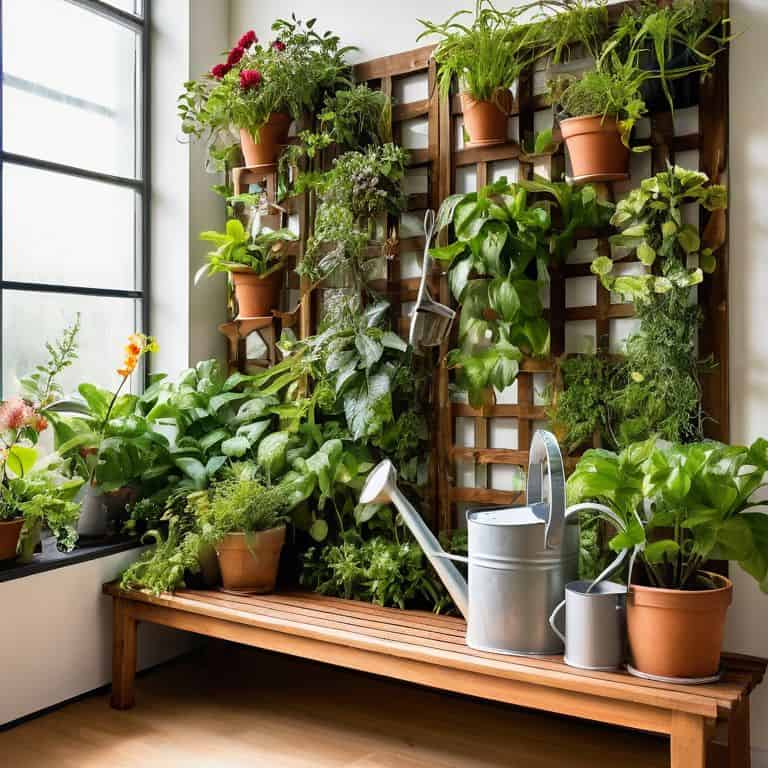
As I reflect on our journey through the world of vertical gardening, I’m reminded of the transformative power of nature to revitalize our living spaces. From the initial introduction to the step-by-step guide, through unlocking the secrets of indoor vertical garden systems and exploring DIY trellis ideas, we’ve covered a wide range of topics designed to inspire and empower you to create your own lush oasis. Whether you’re a seasoned gardener or just starting out, the key to success lies in embracing the process, learning from your mistakes, and finding joy in the simple act of nurturing life. My trusty garden tools, like my pruning shears, Bertha, and my watering can, Winston, have been faithful companions on this journey, reminding me that even the smallest details can make a big difference.
As you embark on your own vertical gardening adventure, remember that it’s not just about the plants or the space – it’s about cultivating serenity and connection in the midst of a bustling world. Don’t be afraid to experiment, to try new things, and to listen to the rhythm of nature. With time, patience, and practice, you’ll find that your vertical garden becomes a sanctuary of biodiversity and peace, a reflection of your love and care for the natural world. And as you tend to your thriving walls and indoor gardens, remember that you’re not just growing plants – you’re growing a sense of wonder, a sense of peace, and a deeper connection to the world around you.
Frequently Asked Questions
What are the best plants to use for a vertical garden in a shady area?
For shady spots, I adore using ferns, peace lilies, and trailing ivy – they thrive in low-light conditions. My trusty trowel, Bertha, and I have had great success with these varieties, watching them bring serenity to even the most shadowy corners.
How often should I water my vertical garden to ensure the plants receive the right amount of moisture?
Watering my vertical garden is an art I’ve refined over time. I check the soil daily, and water when the top inch feels dry to the touch. I also consider the weather and my plants’ needs – on hot days, I give them a refreshing drink in the morning and evening. My trusty watering can, Bertha, and I have developed a rhythm that keeps my plants thriving.
Can I use a trellis system for a vertical garden indoors, or are there other structures that work better for interior spaces?
Absolutely, my friend! Trellis systems can thrive indoors, but I also adore using wall-mounted planters, living walls, and even vintage ladders as unique supports for my vertical gardens. My trusty tool, “Twirly” the trellis clipper, helps me shape and prune with ease, don’t you know?