









Choosing the Perfect Color Palette for a Cozy Living Room
 July 23, 2025
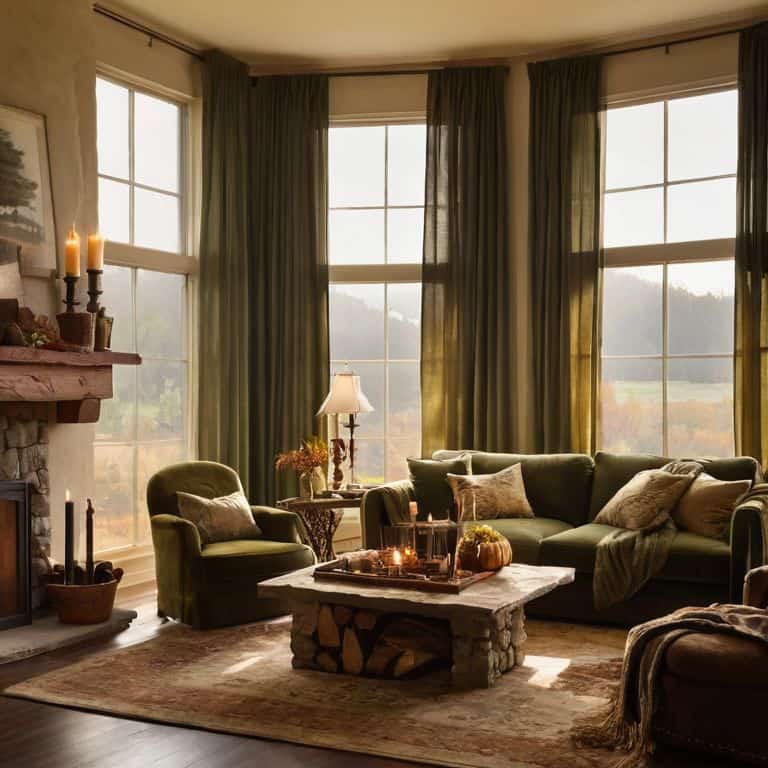
I still remember the Sunday dinners at my grandparents’ house, where the warm, cozy living room color palette made everyone feel like they were wrapped in a big hug. The earthy tones and rich wood accents created an atmosphere that was perfect for sharing stories and laughter. As I grew older, I realized that recreating this feeling in my own home wasn’t as simple as just picking a few colors. There’s a common myth that a cozy living room can only be achieved with a specific set of colors, but I’ve found that it’s more about understanding the emotional connection we have with different hues.
As a family therapist, I’ve seen how a well-designed living room can bring people together. In this article, I’ll share my practical advice on how to create a cozy living room color palette that feels like home. I’ll guide you through the process of selecting colors that evoke a sense of warmth and togetherness, and provide tips on how to balance different hues to create a harmonious atmosphere. By the end of this guide, you’ll have a clear understanding of how to choose a color palette that will make your living room the heart of your home, where memories are made and stories are shared.
Table of Contents
- Guide Overview: What You'll Need
- Step-by-Step Instructions
- Crafting a Cozy Living Room Color Palette
- Weaving Warmth: 5 Essential Tips for a Cozy Living Room Color Palette
- Embracing the Essence of Home: 3 Key Takeaways
- A Reflection on Warmth
- Wrapping Up: Creating Your Dream Cozy Living Room
- Frequently Asked Questions
Guide Overview: What You'll Need
Total Time: 2 hours 30 minutes
Estimated Cost: $50 – $100
Difficulty Level: Easy
Tools Required
- Paint Swatches (various colors)
- Color Wheel (for reference)
- Measuring Tape (for measuring walls in feet and inches)
Supplies & Materials
- Paint Samples (2-3 options)
- Paintbrushes (various sizes)
- Roller Extension Pole (for painting ceilings 8 feet or higher)
Step-by-Step Instructions
- 1. To start creating your cozy living room color palette, begin by thinking about the mood you want to evoke in the space. Consider the activities you’ll be doing in the room, such as reading, watching movies, or spending time with family. This will help you determine the right atmosphere you want to create, whether it’s relaxing, energetic, or a balance of both.
- 2. Next, take stock of the natural light in your living room. If it’s a room that receives plenty of sunlight, you may be able to get away with darker colors on the walls, as the natural light will help balance them out. On the other hand, if the room is dimly lit, you may want to opt for lighter colors to reflect what little light there is and make the space feel more airy and open.
- 3. Now, think about the colors that you’re naturally drawn to and that make you feel comfortable. Do you love the warmth of earth tones, or do you prefer the coolness of blues and greens? Consider how these colors will work together to create a cohesive look, and don’t be afraid to mix and match different shades to find the perfect combination.
- 4. It’s also important to consider the color of any fixed elements in the room, such as the flooring, furniture, and any built-in shelves or cabinets. You’ll want to choose a wall color that complements these elements, rather than clashes with them. For example, if you have a room with dark hardwood floors, you may want to choose a lighter wall color to create contrast and make the space feel more balanced and harmonious.
- 5. Once you have a sense of the colors you like and the mood you want to create, it’s time to start testing out different options. You can do this by painting small samples of the colors on the wall, or by using online tools to visualize how different colors will look in your space. This will give you a sense of how the colors will work together and help you narrow down your options to find the perfect palette.
- 6. As you’re testing out different colors, don’t forget to consider the 60-30-10 rule. This means that 60% of the room should be a dominant color, 30% a secondary color, and 10% an accent color. This will help create a sense of visual balance and ensure that the space doesn’t feel too overwhelming or busy.
- 7. Finally, remember that creating a cozy living room color palette is all about experimentation and intuition. Don’t be afraid to try out different combinations and see what works best for you and your space. And if you’re still unsure, consider seeking out the advice of a professional interior designer or color consultant who can help you find the perfect palette to make your living room feel like a warm and welcoming retreat.
Crafting a Cozy Living Room Color Palette
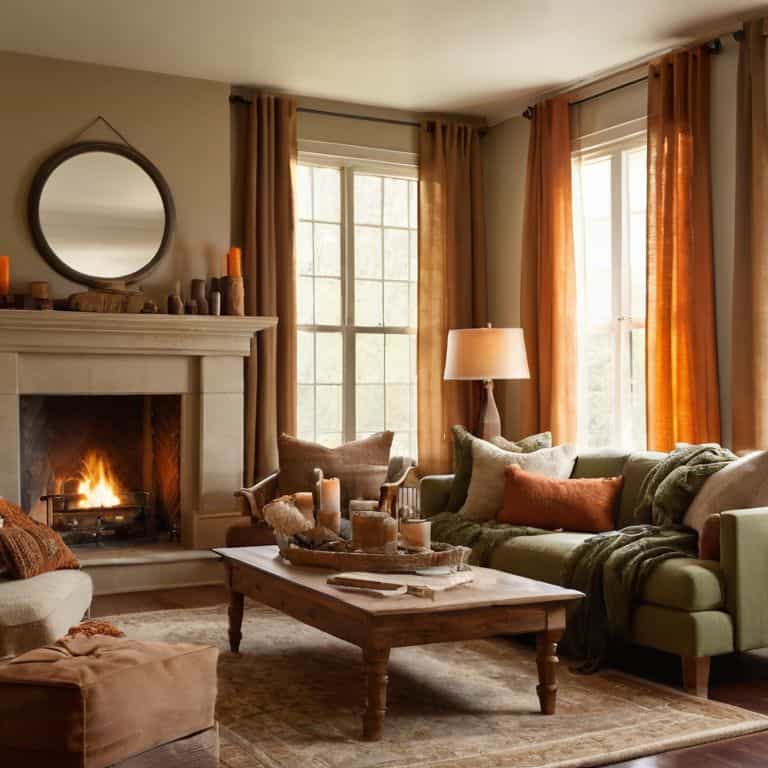
As I delve into the world of interior design, I’m reminded of my genealogy research and how certain autumnal color schemes can evoke a sense of warmth and comfort, much like a family gathering around the dinner table. When crafting a color palette for a living room, it’s essential to consider the emotional impact of colors on our well-being. Neutral tones can create a calming atmosphere, perfect for unwinding after a long day. By incorporating these earthy tones, we can create a space that feels like a big hug from our favorite aunt.
I’ve found that color psychology plays a significant role in interior design, influencing our mood and behavior. For instance, warm colors like beige and taupe can stimulate conversation and create a sense of togetherness, much like our family’s Sunday dinners. On the other hand, cool colors like blues and greens can promote relaxation and calmness. By understanding the psychological effects of colors, we can design a living room that fosters connection and serenity.
As I reflect on my own family’s traditions, I’m drawn to monochromatic color palette ideas that feature earthy tones. These natural hues can bring a sense of warmth and coziness to a living room, making it feel like a welcoming retreat. By incorporating these colors into our design, we can create a space that feels like home, where we can share stories, laughter, and love with our loved ones.
Gathering Round Autumnal Color Schemes
As I sit by the fireplace, surrounded by the warm glow of autumnal hues, I’m reminded of my grandmother’s stories about harvest seasons past. She’d tell me about the vibrant colors of changing leaves and the cozy nights spent gathered ’round the dinner table, sharing tales of the day’s adventures. When it comes to crafting an autumnal color scheme for your living room, consider earthy tones like olive green, terracotta, and golden yellow. These rich colors evoke a sense of comfort and togetherness, perfect for snuggling up with loved ones on a crisp fall evening.
I love how these warm tones can be balanced with neutral shades like beige or cream, creating a sense of harmony and inviting conversation. By incorporating natural textures like wool, wood, and stone, you can add depth and coziness to your space, making it feel like a warm hug on a chilly autumn night.
Neutral Tones for a Welcoming Atmosphere
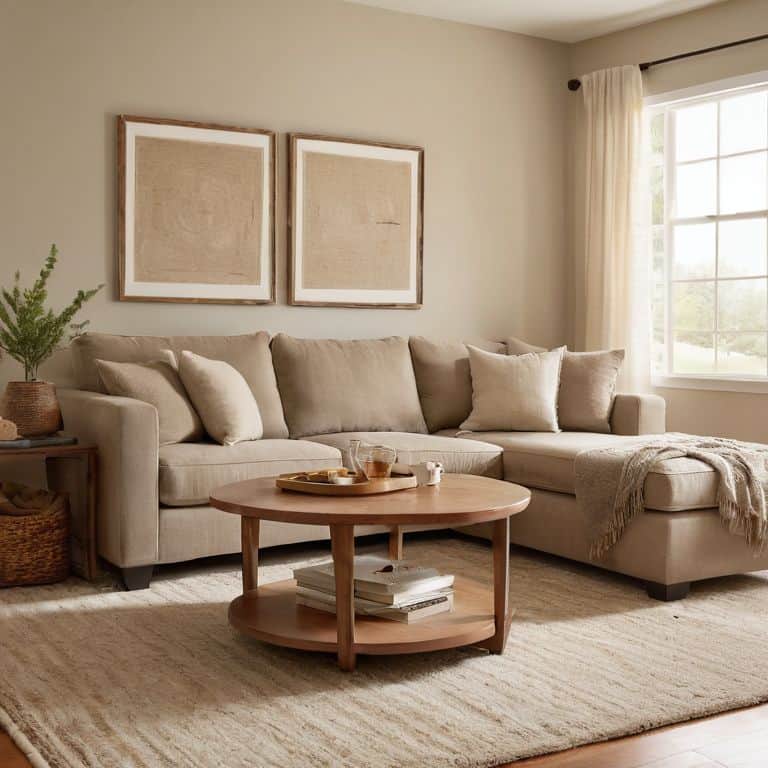
Neutral tones are the backbone of a welcoming atmosphere, don’t you think? There’s something about a soft beige or a warm gray that just makes you feel like you’re coming home. I recall my grandmother’s living room, where the walls were painted a gentle cream color that seemed to envelop everyone in a sense of calm. It was the perfect backdrop for our lively family gatherings, and I’ve always tried to recreate that feeling in my own home. By incorporating neutral tones, you can create a sense of serenity that invites conversation and togetherness.
Weaving Warmth: 5 Essential Tips for a Cozy Living Room Color Palette
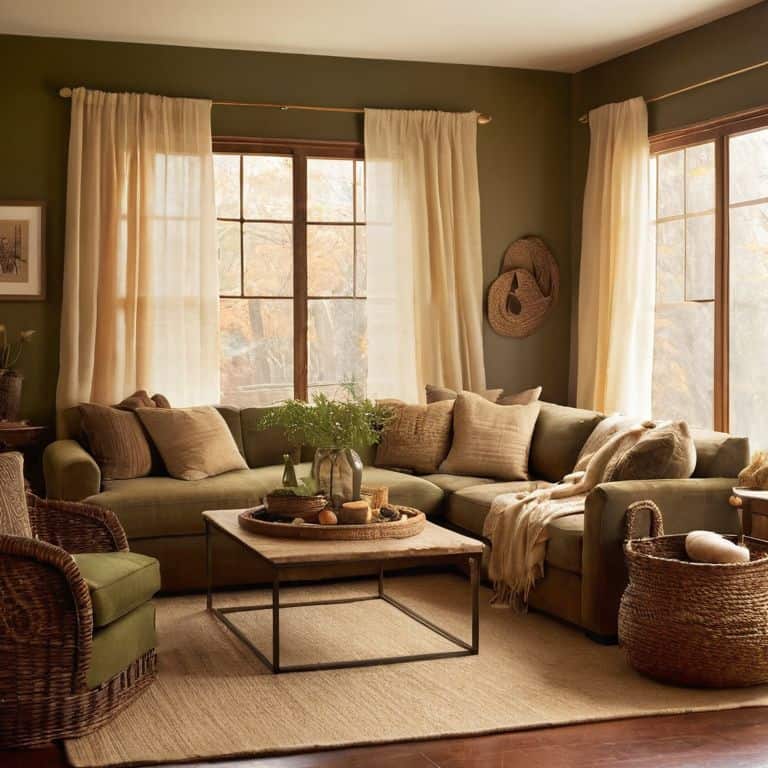
- Start with a neutral base: Choose a soothing neutral tone like beige, cream, or light gray as the foundation for your cozy living room color palette, allowing you to add pops of color through furniture and decor
- Bring in the warmth with earth tones: Incorporate earthy shades like sienna, umber, or sandy beige to create a welcoming atmosphere that feels like a big hug
- Add depth with rich jewel tones: Introduce rich, bold colors like emerald green, navy blue, or ruby red through accent pieces or throw pillows to add depth and visual interest to your cozy living room
- Don’t forget the power of pastels: Soft, muted pastel shades like pale pink, baby blue, or mint green can add a touch of whimsy and playfulness to your cozy living room color palette, creating a sense of calm and serenity
- Consider the 60-30-10 rule: Allocate 60% of your color palette to a dominant neutral tone, 30% to a secondary color, and 10% to an accent color, ensuring a balanced and harmonious cozy living room that feels inviting and relaxing
Embracing the Essence of Home: 3 Key Takeaways
I’ve found that creating a cozy living room color palette is all about embracing the warmth and love that comes with shared family moments, much like our Sunday dinners back home
By combining rich, autumnal hues with neutral tones, we can craft a welcoming atmosphere that invites connection and togetherness, a perfect blend for making lasting memories with our loved ones
As I always say, it’s the stories and love that we share in these spaces that truly bring them to life, and I hope that by sharing my own family’s traditions and recipes, you’ll find inspiration to do the same in your own home, one delicious meal at a time
A Reflection on Warmth
A cozy living room color palette is more than just a blend of hues, it’s a warm embrace that wraps around your heart, inviting you to share stories, create memories, and bask in the love that only a true home can offer.
Laura Bennett
Wrapping Up: Creating Your Dream Cozy Living Room
As we’ve explored the world of cozy living room color palettes, I hope you’ve gained a deeper understanding of how to weave a warm and welcoming atmosphere that feels like home. From the rich, autumnal hues that evoke feelings of togetherness to the neutral tones that provide a sense of calm, each color scheme has its own unique character. By considering the natural light, furniture, and personal style of your space, you can craft a cozy living room that reflects your personality and invites relaxation. Whether you’re a fan of bold and bright or soft and subtle, the key is to create a space that makes you feel grounded and at peace.
As you embark on your own cozy living room journey, remember that it’s all about creating a space that nourishes your soul. Don’t be afraid to experiment, try new things, and make mistakes – it’s all part of the process. And when you finally settle into your perfectly imperfect space, surrounded by the people and things you love, I hope you’ll feel a deep sense of connection and belonging. So go ahead, get cozy, and make your living room a reflection of your heart – a place where love, laughter, and memories are always within reach.
Frequently Asked Questions
How can I choose a cozy living room color palette that reflects my personal style and complements my furniture?
For me, choosing a cozy living room color palette is all about reflecting on the memories and emotions I want to evoke in that space. Think about the colors that make you feel warm and fuzzy inside – do you love the rich tones of a crackling fireplace or the soft hues of a sunset? Let those feelings guide you as you select colors that complement your furniture and reflect your personal style.
What are some popular color combinations for a cozy living room, and how can I ensure they work well together?
I just love exploring color combos that bring warmth to a living room. Some popular pairs include earthy tones like sage and sand, or rich jewel tones like emerald and navy. To ensure they work well together, consider the 60-30-10 rule: 60% of the room features a dominant color, 30% a secondary color, and 10% an accent color.
Are there any specific color palette considerations I should keep in mind if I have a small living room, to make it feel more spacious and inviting?
For small living rooms, I recommend opting for lighter, airy colors that create a sense of openness. Soft peaches, creamy whites, and pale grays can make the space feel more expansive. Avoid dark or bold colors, which can make the room feel cramped. Consider a monochromatic scheme to create a sense of flow and visual harmony.