









Creating a Welcoming Entryway With Color
 February 9, 2026
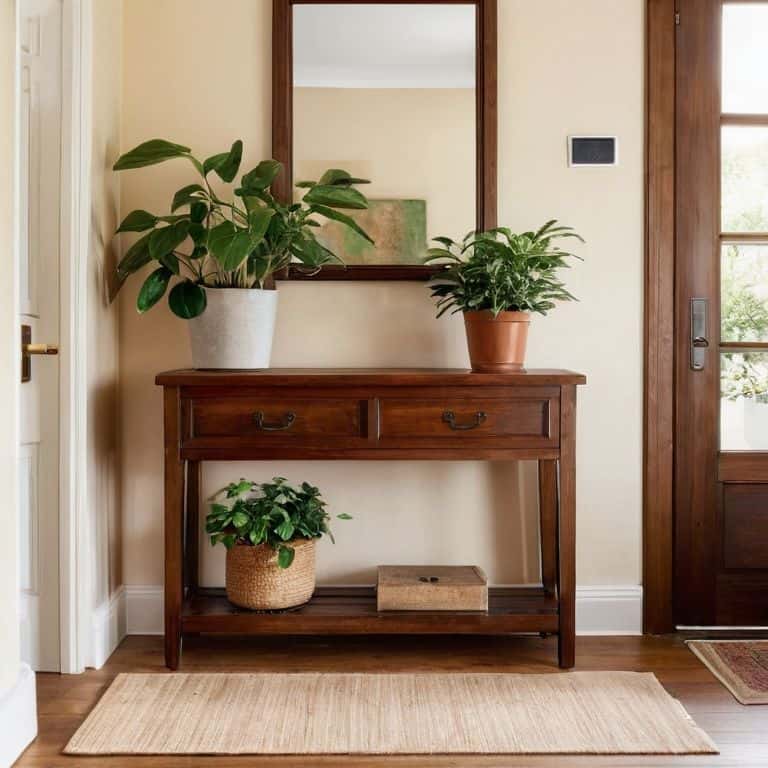
I still remember the day I restored my first vintage armchair, naming it Marie after the elegant Marie Antoinette. As I worked, I realized that the true magic of design lies not just in the pieces themselves, but in the spaces they inhabit – like the welcoming entryway colors that can make or break the ambiance of a home. There’s a common myth that a welcoming entryway requires a bland, neutral color palette, but I’m here to tell you that’s just not true. In fact, it’s often the bold, rich hues that create a sense of warmth and invitation, drawing visitors into the heart of the home.
As you read this guide, I promise to share my honest, no-hype advice on selecting timeless entryway colors that will make your home feel like a haven. I’ll walk you through my personal approach to choosing colors that echo the warmth of yesterday, while still feeling fresh and modern. From the significance of natural light to the psychology of color, we’ll explore it all – and by the end of this journey, you’ll be equipped to craft an entryway that’s not just beautiful, but truly welcoming.
Table of Contents
Guide Overview: What You'll Need
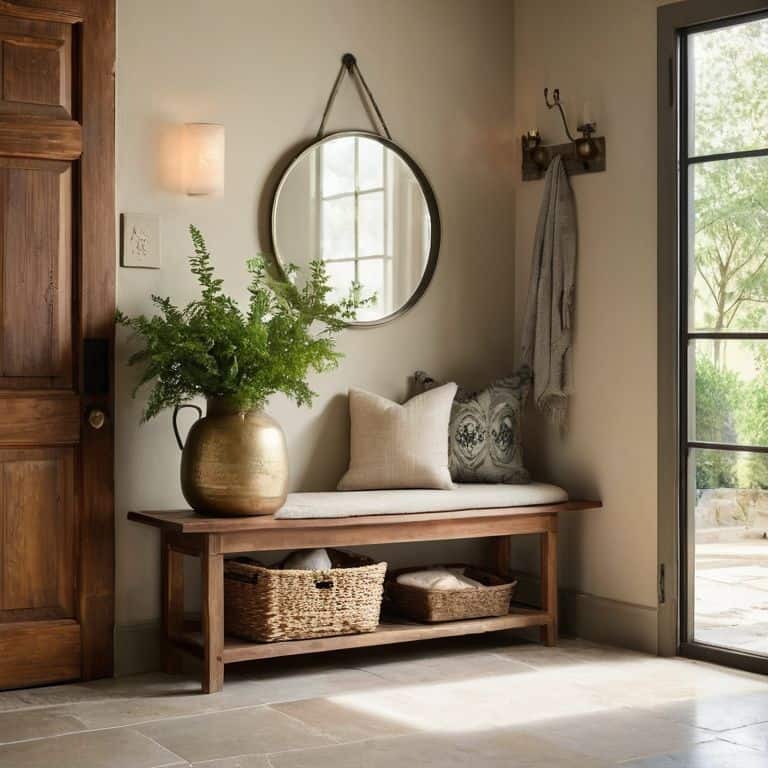
Total Time: 1 hour 15 minutes
Estimated Cost: $20 – $40
Difficulty Level: Easy
Tools Required
- Paintbrushes (various sizes)
- Paint Roller (with extension pole)
- Paint Tray (for roller)
- Drop Cloths (for floor protection)
- Tape (for trimming)
- Sandpaper (for light surface preparation)
- Cleaning Rags (for spills and cleaning)
Supplies & Materials
- Paint (choose welcoming colors like beige, soft gray, or pastel shades)
- Primer (optional, depending on wall condition)
- Wall Cleaner (for preparing surface before painting)
Step-by-Step Instructions
- 1. To start crafting a warm and inviting entryway, I always begin by considering the natural light that pours into the space. This helps me determine the optimal color palette that will complement the existing lighting and create a sense of continuity. For instance, if the entryway receives plenty of sunlight, I might opt for lighter, airier shades to reflect the warmth and brightness.
- 2. Next, I take into account the architectural style of the home, as well as the era in which it was built. This informs my decision on whether to choose rich and bold colors or more subdued, neutral tones. For a historic home, I might select a deeper, more muted color scheme to honor its heritage, while a modern home might call for a bolder, more vibrant approach.
- 3. Now, it’s time to think about the emotional response I want to evoke in the entryway. Do I want it to feel calm and serene, or energized and lively? The color palette should reflect the desired mood and set the tone for the rest of the home. For a calming atmosphere, I might choose soothing shades of blue or green, while a more energetic vibe could be achieved with warm and inviting hues like orange or yellow.
- 4. With the color palette in mind, I move on to selecting the perfect shade for the walls. This involves considering the furniture and decor that will be placed in the entryway, as well as any statement pieces, like a vintage side table or a show-stopping chandelier. I want the walls to provide a beautiful backdrop for these elements, rather than competing with them for attention.
- 5. Once I’ve narrowed down my color options, I test them out using paint samples or online visualizers. This allows me to see how the colors will look in different lighting conditions and at various times of day. It’s also a good idea to live with the samples for a while, to ensure the chosen color doesn’t feel overwhelming or tiresome over time.
- 6. After finalizing the wall color, I think about adding depth and interest to the space through the use of accent walls, trim, or molding. This could involve introducing a contrasting color or a rich, complementary hue to add visual appeal and create a sense of layering. For example, a warm beige wall might be paired with cool, creamy white trim for a beautiful, harmonious contrast.
- 7. Finally, I consider the flow and circulation of the entryway, ensuring that the color palette and design elements work together to create a sense of ease and fluidity. This might involve using a unifying color or texture to tie the space together, or carefully placing furniture and decor to guide the visitor’s eye through the area. By paying attention to these details, I can craft an entryway that not only looks beautiful but also feels warm, welcoming, and functional.
Welcoming Entryway Colors
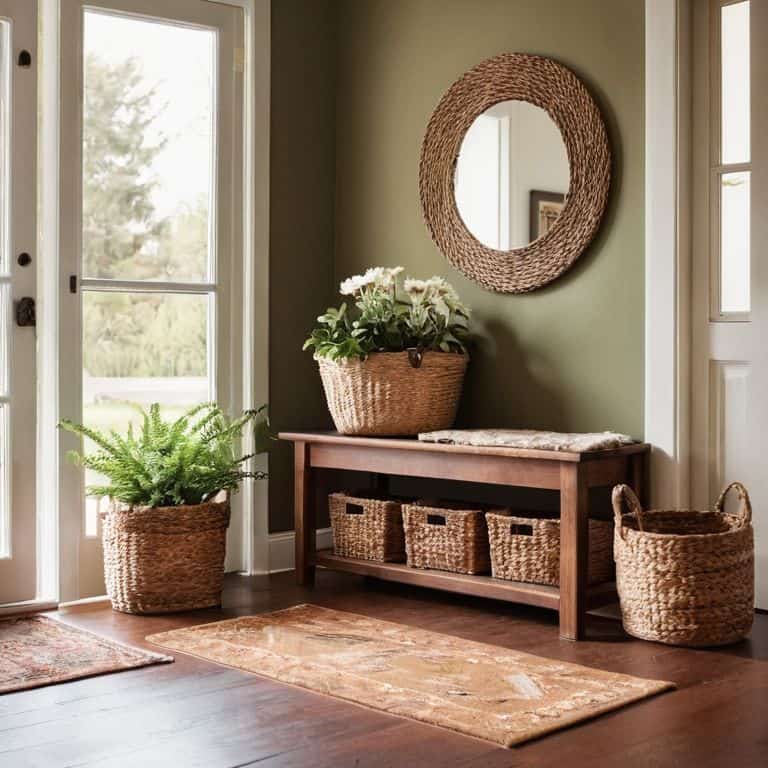
As I reflect on my experiences with restoring vintage furniture, I’ve come to realize that color psychology for homes plays a significant role in creating an inviting atmosphere. When it comes to entryways, the right hues can make all the difference in setting the tone for the rest of the home. I’ve found that warm neutrals can work wonders in making a space feel cozy and welcoming. For instance, a rich, earthy tone can evoke feelings of comfort and relaxation, much like the sensation of walking into a historic home with a beautifully restored wooden floor.
In my own design projects, I often consider entryway lighting ideas that complement the color scheme. Soft, warm lighting can accentuate the monochromatic color schemes I often prefer, creating a sense of depth and visual interest. This approach can be particularly effective in smaller entryways, where small entryway decor solutions are essential. By choosing a limited color palette and incorporating thoughtful lighting, even the most compact spaces can feel expansive and inviting.
As someone who appreciates the beauty of natural light entryway design, I believe that it’s essential to consider the interplay between color, light, and texture when selecting an entryway rug color. A rug with a subtle pattern and a hue that complements the surrounding colors can help tie the space together, creating a sense of harmony and balance. By thoughtfully combining these elements, homeowners can craft an entryway that not only looks beautiful but also feels authentically welcoming.
Natural Light Design for Entryway Harmony
As I restore vintage furniture pieces, like my beloved “Marie Antoinette” armchair, I’m reminded of the importance of natural light in bringing warmth to an entryway. Soft, golden hues pouring in through a window can instantly elevate the ambiance, making any color palette feel more inviting. I recall my grandfather’s workshop, where the large windows allowed sunlight to dance across his meticulously restored creations, highlighting the beauty of his craft.
To harness this natural harmony, consider the orientation of your entryway windows and the time of day they receive sunlight. Consider “Napoleon’s” console table, which I refinished to complement the soft morning light in a client’s foyer, creating a sense of serenity that sets the tone for the entire home. By thoughtfully combining welcoming colors with the gentle glow of natural light, you can create an entryway that feels like a breath of fresh air, inviting all who enter to linger and explore.
Unlocking Color Psychology for Homes
As I delve into the realm of color psychology, I find myself drawn to the timeless charm of earthy tones. These hues have a way of transporting me back to my grandfather’s workshop, where the scent of wood and worn leather filled the air. In the context of an entryway, earthy tones such as sage green or sandy beige can evoke a sense of warmth and coziness, much like the feeling of walking into a historic home that’s been lovingly restored. I recall a particular piece I restored, a vintage armchair I named “Hemingway” – its worn, earthy tones seemed to whisper stories of the past, and it’s this same quality that I aim to capture in my design choices.
By incorporating these earthy tones into an entryway, homeowners can create a sense of continuity with the natural world, blurring the lines between indoors and outdoors. This, to me, is the essence of nostalgic rustic elegance – a style that honors the past while embracing the beauty of the present. As I often say, the right color palette can be the key to unlocking a space that feels truly alive, and in the case of an entryway, it’s all about setting the tone for the stories that await within.
Painting a Timeless Welcome: 5 Tips for Choosing Enchanting Entryway Colors
- I find myself drawn to earthy tones like terracotta or sienna for entryways, as they evoke the warmth of a crackling fireplace on a chilly autumn evening
- Blending the softness of pastel hues with the richness of deeper, moodier tones can create a captivating visual balance that invites relaxation and conversation
- For a touch of elegance, consider introducing metallic accents in gold, brass, or copper to complement your chosen color palette, much like the ornate details on my prized vintage armchair, ‘Napoleon’
- Incorporating natural elements, such as a vase with fresh greenery or a bowl of river rocks, can enhance the welcoming ambiance of your entryway by bringing the outdoors in and adding texture to the space
- Remember, the key to a truly welcoming entryway is to select colors that reflect your personal story and style, like the rich, blue-grey tone I chose for my ‘Marie Antoinette’ dresser, which now serves as a unique console table in my own home
Timeless Wisdom for Your Entryway
I’ve found that choosing entryway colors reminiscent of nature, such as earthy tones or sky-inspired blues, can create a sense of continuity and warmth, much like the feeling I get from restoring a vintage piece, like my beloved ‘Hemingway’ armchair, to its former glory
By considering the psychological impact of colors and the role of natural light in your entryway, you can craft a space that not only welcomes but also tells a story of its own, blending the elegance of the past with the vibrancy of the present
Ultimately, the key to a truly enchanting entryway lies in striking a balance between honoring the past and embracing the future, much like the delicate dance between vintage furniture and modern decor, a harmony I strive to achieve in every project, including my own ‘Grandfather’s Study’ restoration, where history and modernity entwine in perfect elegance
Timeless Wisdom on Entryway Hues
A welcoming entryway color is not just a shade on the wall, but a whispered promise of the stories to be shared, the laughter to be echoed, and the memories to be crafted within the heart of the home.
Michael Thompson
Embracing the Essence of Welcome
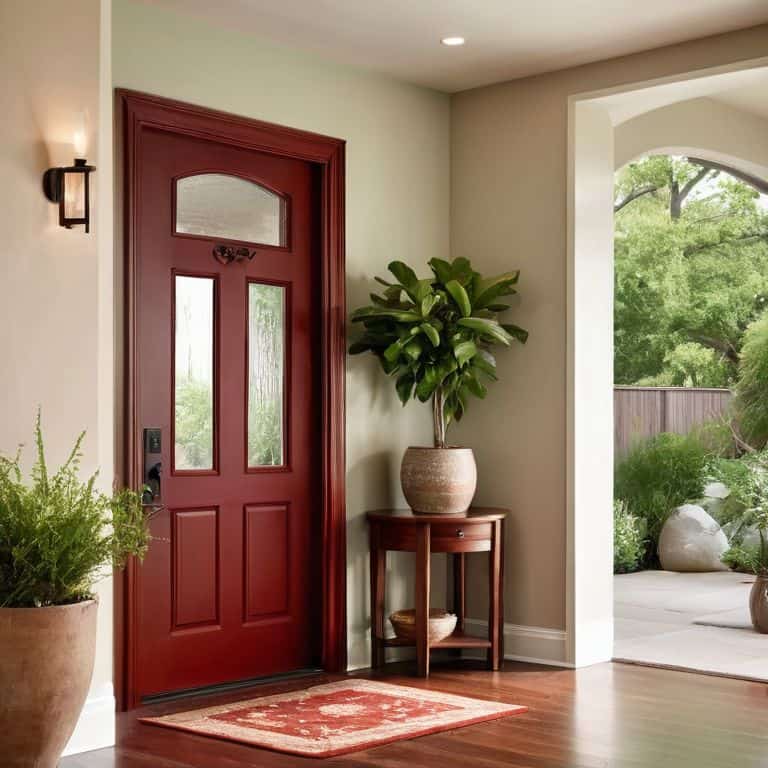
As I reflect on the journey of crafting a truly welcoming entryway, I’m reminded of the power of color in setting the tone for the stories that unfold within our homes. From the rich, inviting hues that evoke feelings of warmth and comfort, to the careful consideration of natural light in harmonizing our spaces, each element plays a vital role in creating an atmosphere that is both inviting and enchanting. By embracing the principles of color psychology and thoughtfully designing our entryways, we not only enhance the aesthetic appeal of our homes but also nurture the sense of belonging that makes a house a true haven.
As we embark on the creative process of transforming our entryways into warm and welcoming spaces, let us remember that the true essence of home lies not just in its physical beauty, but in the memories we create within its walls. May our entryways become the thresholds to timeless moments, where laughter, tears, and countless stories blend into the fabric of our lives. And as we step into these spaces, may we be reminded of the enduring power of home to comfort, to inspire, and to forever hold a piece of our hearts.
Frequently Asked Questions
How can I choose entryway colors that complement the unique architectural style of my home?
For me, it’s all about understanding the narrative of your home’s architecture. Consider the era and style of your house – is it a charming Victorian or a sleek Mid-Century Modern? Choose colors that resonate with its story, like earthy tones for a rustic feel or bold hues for a retro vibe, and don’t forget to balance them with the natural light that pours in.
What role does the color of my front door play in creating a welcoming entryway, and are there any specific hues that are considered more inviting?
The front door’s color sets the tone for the entire home – I like to think of it as the first whisper of the story within. Warm, rich hues like crimson or honey can evoke a sense of invitation, while softer tones like sky blue or mint can create a calming ambiance, much like the gentle charm of my “Monet” armchair, a beautifully restored vintage piece.
Can the same welcoming entryway color palette be used in homes with vastly different interior design styles, such as modern versus traditional?
While a single color palette might not fit all, certain timeless hues can transcend styles. I’ve seen “Napoleon,” my restored vintage armchair, pop against both sleek modern backdrops and rich traditional ones, thanks to its earthy tones. Similarly, earthy reds, soft creams, and muted greens can work beautifully across different design styles, serving as a bridge between modern and traditional interiors.